- Kenmore refrigerator water filters
- Whirlpool refrigerator water filters
- Samsung refrigerator water filters
- GE refrigerator water filters
- LG refrigerator water filters
- Frigidaire refrigerator water filters
- KitchenAid refrigerator water filters
- Maytag refrigerator water filters
- Kenmore Elite refrigerator water filters
- Estate refrigerator water filters
- GE Profile refrigerator water filters
- Amana refrigerator water filters
- Bosch refrigerator water filters
- Dacor refrigerator water filters
- Electrolux refrigerator water filters
Top DIY repair help
View All Repair Categories
Appliances
Lawn & Garden
Power Tools
Home Improvement
Sports & Leisure
Heating & Cooling
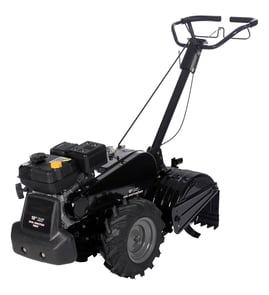
Rally Tiller Parts — Browse All Models
Finding the right Rally tiller parts is easy at Sears PartsDirect. Simply browse the models below or use the search bar to locate what you need fast. No matter what you need, we have the OEM parts made specifically to fit your Rally tiller.
Need help with repairs or troubleshooting for your Rally tiller? Visit our DIY tiller repair help page for step-by-step guides and expert tips.


Rally RYX820K tiller
Shop Parts
164 Parts
Frequently bought Rally parts
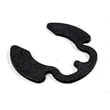
Husqvarna Lawn Tractor Retainer Ring
Part #812000029
This item is not returnable
In Stock
$3.80
21% OFF Phone Price : $4.80

Qty

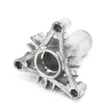
Husqvarna Lawn Tractor Mandrel Assembly
In Stock
$34.95
15% OFF Phone Price : $40.95
Qty
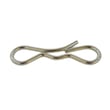
Pin.cotter.7/16.bow Ti.
Part #532194209
This item is not returnable
In Stock
$4.88
17% OFF Phone Price : $5.88
Qty

Husqvarna Spacer Washer
In Stock
$8.25
11% OFF Phone Price : $9.25
Qty
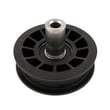
Tower Lawn Tractor Ground Drive Fixed Idler Pulley
In Stock
$36.40
14% OFF Phone Price : $42.40
Qty
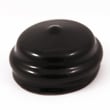
Cap.spindle.black
In Stock
$6.72
13% OFF Phone Price : $7.72
Qty
Popular maintenance items for Tillers
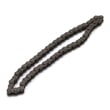
Husqvarna Tiller Ground Drive Chain
In Stock
$38.68
13% OFF Phone Price : $44.68
Qty
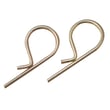
Agri-fab Lawn Tractor Attachment Cotter Pin, 3/32-in
Part #43055
This item is not returnable
In Stock
$2.74
27% OFF Phone Price : $3.74
Qty
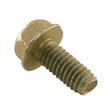
Mtd Lawn & Garden Equipment Self-tapping Bolt, 5/16-18 X 3/4-in
Part #710-1260A
This item is not returnable
In Stock
$5.25
16% OFF Phone Price : $6.25
Qty
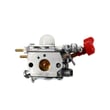
Mtd Line Trimmer Carburetor
In Stock
$47.19
11% OFF Phone Price : $53.19
Qty
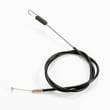
Husqvarna Tiller Clutch Cable
In Stock
$20.60
23% OFF Phone Price : $26.60
Qty
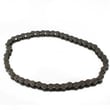
Husqvarna Tiller Ground Drive Chain
In Stock
$67.03
8% OFF Phone Price : $73.03
Qty
Common Rally Tiller Parts
Rally tillers use rugged components built for tough soil, but wear and tear can happen. We stock genuine replacement parts to keep your machine working like new.
Recoil Starter
A worn-out or broken recoil starter can prevent the engine from turning over. If your tiller won’t start, this part is often the culprit. It’s usually easy to install with basic tools and works with most Rally models. Follow the steps in our guide to replace the recoil starter.
Tiller Tines
Tines take a beating and eventually lose their cutting edge. Whether you use a front-tine or rear-tine Rally tiller, replacing worn or damaged tines helps restore performance and ensures your tiller breaks up soil efficiently. Front-tine tines are heat-treated for durability and designed with sharp edges, while rear-tine tines are built for deeper soil penetration and are specific to rear-tine models. For help with replacements, see our guides on how to replace the tines on a front-tine tiller and how to replace the tines on a rear-tine tiller.
Drive Belt (Rear-Tine)
If your rear-tine tiller isn’t moving or the tines aren’t spinning, the drive belt could be worn or damaged. This belt transfers power from the engine to the wheels or tines, and issues like fraying, cracking, or slack can cause loss of function. See our step-by-step instructions to replace a tiller drive belt.
Common Rally Tiller Problems
Troubleshooting your tiller can help you avoid unnecessary part replacements. Use these resources to diagnose and fix common issues.
Tiller Engine Won’t Start
If your engine won’t turn over, start by checking the recoil starter, spark plug, and fuel system. Clogged fuel lines or a faulty ignition component can prevent the engine from firing up. For step-by-step instructions, use our troubleshooting guide for engine won’t start.
Engine Runs Rough or Misfires
If your engine runs unevenly, misfires, or surges during operation, you might be dealing with dirty fuel, a clogged carburetor, or a worn spark plug. These issues can affect performance and stall your work. Check out our engine runs rough troubleshooting guide to pinpoint and resolve the issue.
Engine Leaks Oil or Gas
Leaking oil or gas is often caused by worn gaskets, loose hoses, or a cracked fuel tank. Ignoring leaks can lead to performance problems or safety concerns. Use our guide on how to diagnose oil or gas leaks to find the source and fix it.
Maintenance Tips for Rally Tillers
Routine maintenance helps prevent breakdowns, keeps your tiller running efficiently, and extends the life of the equipment. Staying on top of upkeep also helps you get the most from your Rally tiller parts, whether it's new tines, a belt, or an air filter.
- Change engine oil every season
- Clean or replace the air filter regularly
- Inspect tines and belts for wear
- Store indoors to prevent rust and fuel system issues
Tips for improving tilling when using your Rally tiller
Worn or damaged tines, broken tine shaft clevis pins, a worn drive belt, a faulty transmission, a problem with the clutch cable, improper depth-stake setting or bad soil conditions can all cause a tiller to do a poor job turning the soil.
The soil must be moist enough that it forms a ball when you squeeze it in your hand, but dry enough that the ball falls apart when dropped. Check soil conditions and water the area that you're tilling if the ground is too dry. Let the ground dry out if soil is too wet.
Check the depth stake setting and adjust it for the type of soil you're cultivating. Lower the depth stake to till at a 1-inch depth when using the tiller on soil for the first time or when breaking up hard soil. Also use the 1-inch depth setting to break up sod for shallow cultivation. Raise the depth stake to till loose soil and for deep cultivation.
Check the condition of the tiller tines and replace them if they're worn or damaged.
Get more help with upkeep and repair from our DIY tiller repair help page.
Parts & More
Air Compressor
Bottom-Mount Refrigerator
Coffee Grinder
Dishwasher
Front-Engine Lawn Tractor
Gas Chainsaw
Generator
Lawn & Garden Engine
Line Trimmer
Microwave
Microwave/Hood Combo
Range Hood
Side-By-Side Refrigerator
Television