



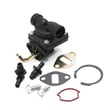
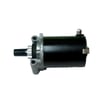
How do I tell which Kohler engine I have?
To tell which Kohler engine you have, we match the engine’s model, spec, and serial numbers from the ID decal to the correct parts list. For a Kohler CV15S-41565 engine, the most reliable identifier is the silver ID label on the blower housing or shroud.
Where to find the Kohler ID numbers
On most Kohler lawn and garden engines, the ID decal is on the blower housing, engine shroud, or a nearby flat surface. Look for three fields:
- Model (example format: CV15S)
- Spec (a build configuration that affects internal parts)
- Serial (helps identify production run and date coding)
If the decal is dirty or faded, wipe it with a rag and mild cleaner; avoid scraping, which can remove the print.
What the numbers mean (and why we need all of them)
The model number tells the engine family and basic design. The spec number is just as important because it can change the carburetor, ignition, governor linkage, starter, charging system, and other components even within the same model family.
Quick guide
| ID item | What it identifies | Why it matters for parts |
|---|---|---|
| Model | Engine family (vertical vs. horizontal families often differ) | Gets you into the right parts breakdown |
| Spec | Exact build configuration | Prevents ordering the wrong carburetor, gasket set, or ignition parts |
| Serial | Production run | Helps confirm revisions when parts changed mid-production |
If you cannot find the decal
If the label is missing, we typically identify the engine by combining physical details and equipment info:
- Equipment brand and model (tractor or mower model)
- Engine type (vertical shaft vs. horizontal shaft)
- Approximate horsepower class
- Presence of electric start and charging output
- Carburetor style and air cleaner housing shape
Why it matters
Using only “Kohler CV15S” can still lead to the wrong replacement parts. Matching model + spec is the best way to ensure the correct ignition module, carburetor kit, fuel pump, or gasket set fits the exact CV15S-41565 configuration.
Related help: how to find your appliance model number (and what it means for parts)
Last updated: January 2026
Can I use 10W30 in my Kohler engine?
Yes; 10W-30 is a commonly acceptable oil viscosity for the Kohler CV15S-41565 lawn and garden engine for many operating conditions. This model’s exact temperature-to-viscosity chart is not identifiable from model-specific documentation here, so we recommend choosing 10W-30 based on your typical start-up temperatures and workload, then monitoring performance.
When 10W-30 is a good choice
10W-30 is often used when you want one oil that covers a wide range of conditions.
- Helpful for mixed spring and fall temperatures
- Good when you want easier starts than straight SAE 30
- Common for engines that see varying loads (mowing, towing, bagging)
- Works well when you change oil on schedule and keep the level correct
How to choose viscosity by temperature (practical guide)
Because we cannot confirm the exact CV15S-41565 viscosity chart from model-specific materials, use this general small-engine guideline:
| Typical start temperature | Common choice | Why it matters |
|---|---|---|
| Below freezing | 5W-30 | Faster oil flow at cold start |
| Around freezing to warm | 10W-30 | Balanced cold starts and hot protection |
| Consistently hot weather | SAE 30 | Often preferred for high-heat operation |
Tips to avoid oil-related problems
- Check oil level before each use; low oil can cause rapid engine damage.
- Do not overfill; too much oil can cause smoking and fouled plugs.
- Use a quality detergent oil rated for gasoline engines.
- Change oil more often in dusty conditions or heavy mowing.
- If the engine smokes or surges after an oil change, recheck level and air filter condition.
Why it matters
Oil viscosity affects cold-start lubrication, operating temperature protection, and overall engine life. Using the right viscosity for your climate helps the CV15S-41565 start easier, run cooler, and reduce wear on internal components.
For help confirming you have the exact engine identification before buying maintenance items, use how to find your appliance model number (and what it means for parts).
Last updated: January 2026
How many hours will a Kohler lawn mower engine last?
A Kohler lawn mower engine like the Kohler CV15S-41565 typically lasts 600 to 1,500 hours in residential use and 1,000 to 3,000+ hours in commercial-style use when it is maintained on schedule (especially oil changes and air filtration).
Typical lifespan ranges (what we see most often)
- Residential mowing (weekly, seasonal): 600 to 1,500 hours
- Heavy residential (large acreage, dusty conditions): 500 to 1,200 hours
- Commercial use (daily, long seasons): 1,000 to 3,000+ hours
- Best-case, well cared for: can exceed 3,000 hours
| Usage pattern | Common hour range | What usually limits life first |
|---|---|---|
| Light residential | 600 to 1,500 | neglected oil, dirty cooling fins |
| Heavy/dusty | 500 to 1,200 | air filter restriction, overheating |
| Commercial | 1,000 to 3,000+ | wear from long run time, maintenance intervals |
What makes a Kohler engine last longer
- Change engine oil on schedule and keep the oil level correct
- Replace or service the air filter often (more often in dust)
- Keep cooling fins and blower housing clear to prevent overheating
- Use fresh fuel and stabilize fuel during storage
- Inspect and replace the spark plug when performance drops
- Fix small oil leaks early so the engine does not run low on oil
Quick “hours to years” reality check
Engine hours depend on how long you mow each week.
- 50 hours/year: 600 to 1,500 hours equals about 12 to 30 years
- 150 hours/year: 600 to 1,500 hours equals about 4 to 10 years
- 400 hours/year: 1,000 to 3,000 hours equals about 2.5 to 7.5 years
Why it matters
Hour life is mostly about heat and lubrication. On the CV15S-41565, clean airflow (cooling fins and air filter) plus consistent oil changes usually makes the difference between an engine that wears out early and one that runs for many seasons.
For general DIY safety and planning before you service wiring or ignition components, use are diy appliance repairs safe.
Last updated: January 2026