Owner’s manual


How to identify a Kenmore washer model?
Your Kenmore washer model number is printed on the model and serial number plate; for Kenmore model 11026722693, use that full number exactly as shown when ordering parts or looking up troubleshooting info. On most Kenmore top-load washers, the plate is under the lid or on the cabinet opening.
Where to look on the washer
Check these common locations first (in order):
- Under the washer lid, around the rim of the tub opening
- On the top edge of the cabinet opening (where the lid closes)
- On the back panel near the power cord exit
- Behind the control console (less common)
- Inside the cabinet on a side wall (requires opening the cabinet)
For the official location and how the plate is labeled, use the 11026722693 owner's manual.
What the model number looks like (and what to write down)
Record both numbers from the plate so we can match the correct diagrams and revisions.
| What to record | Example format | Why it matters |
|---|---|---|
| Model number | 110.XXXXXXXX (often shown without the dot) | Matches the correct parts list |
| Serial number | Letters and numbers | Helps identify production variation |
| Purchase date | Month/day/year | Useful for service history |
Tips to avoid ordering the wrong part
- Copy the model number character-for-character (no missing digits)
- Use the full model number, not just “Kenmore 110”
- If the tag is worn, take a clear photo and zoom in
- Match the part by name and ID when possible (example: washer lid switch WP3949238)
- Keep the model and serial info with your receipt for future reference
Why it matters
Kenmore washers often have multiple versions that look similar but use different components (lid switch, drain pump, gear case, coupling). Using the exact model number from the plate is the fastest way to get the right Kenmore parts the first time.
Last updated: February 2026
Is it worth repairing a Kenmore washing machine?
Yes, it’s usually worth repairing a Kenmore washer, especially a proven model like Kenmore 11026722693, when the fix is a common wear part and the machine is otherwise in good shape. A quick diagnosis using the Kenmore 11026722693 owner's manual helps you decide whether you’re dealing with a simple, long-lasting repair or a bigger drive-system issue.
When repair is the smart choice
Repairs are typically a good value when the washer still fills, agitates, and drains normally most of the time, and the problem points to a single failed component.
- The washer won’t spin or drain but the motor runs (often a pump or lid switch issue)
- Agitation is weak or intermittent (often agitator wear parts)
- You hear grinding or the basket slips during spin (often a clutch or drive block)
- The washer is otherwise quiet, doesn’t leak, and the tub is solid
- You can complete the repair safely with basic tools
Parts that commonly make an older Kenmore worth fixing
These are frequent, cost-effective repairs on many Kenmore top-load designs, including 110-series machines.
| Symptom | Common fix | Example part for this model |
|---|---|---|
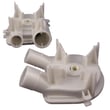
| Won’t drain or leaves water | Replace drain pump | Washer drain pump WP3363394 |
| Won’t spin (acts like lid is open) | Replace lid switch | Washer lid switch WP3949238 |
| Agitator “ratchets” or won’t move clothes well | Replace agitator dogs | Agitator dog 80040 |
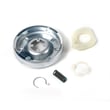
| Spins poorly, burning smell, slow start | Replace clutch | Clutch 285785 |
When replacement makes more sense
We recommend leaning toward replacement when the repair involves multiple major drive components or the washer has structural problems.
- Gear case failure or loud, persistent transmission noise (major repair)
- Repeated leaks from the tub area or bearing/seal problems
- Severe rusted cabinet or damaged outer tub
- Multiple symptoms at once (drain, spin, and agitation all failing)
Why it matters
A targeted repair can restore full wash performance and extend the life of a dependable Kenmore washer for years. Using the manual’s operating and troubleshooting guidance also helps prevent repeat failures caused by overloading, poor leveling, or incorrect setup.
Last updated: February 2026
What is the average lifespan of a Kenmore washer?
A Kenmore washer typically lasts 10 to 15 years with normal household use. For Kenmore model 11026722693, routine care (proper loading, correct detergent, and periodic cleaning) helps you reach the high end of that range and reduces wear on drive and drain components.
What affects washer lifespan the most
- Overloading the basket, which strains the drive system and suspension
- Unbalanced loads, which increase vibration and tub wear
- Hard water buildup, which can affect valves and internal passages
- Drain restrictions, which overwork the pump and can leave water behind
- Skipped maintenance, such as not cleaning residue and not checking hoses
Common wear items that can shorten life
If performance changes show up (no spin, poor agitation, leaking, or not draining), these parts are frequent suspects on this style of Kenmore top-load washer:
| Symptom | Common cause | Example part for this model |
|---|---|---|
| Won’t spin or stops mid-cycle | Lid safety circuit issue | Washer lid switch WP3949238 |
| Won’t drain or drains slowly | Pump obstruction or worn pump | Washer drain pump WP3363394 |
| Agitates poorly | Worn agitator drive pieces | Agitator dog 80040 |
Maintenance habits that extend life
We recommend these practical steps for long-term reliability:
- Use the correct water level for the load size
- Keep loads evenly distributed (mix items, avoid single heavy pieces)
- Use HE detergent only if your detergent label calls for it; avoid oversudsing
- Periodically run a hot wash (or washer-cleaning cycle if equipped) to reduce residue
- Inspect fill and drain hoses for cracks, bulges, or seepage
Why it matters
A washer that is maintained and not overloaded runs cooler, vibrates less, and puts less stress on the gear case, clutch, and pump. That directly improves cleaning performance and helps you avoid premature breakdowns.
For model-specific operating and care guidance, follow the 11026722693 owner's manual.
Last updated: February 2026