Owner’s manual
 View engine


What is the most common problem with snow blowers?
The most common problem we see on snow blowers like the Craftsman 247887802 is a no-start condition. It’s usually caused by old fuel, a dirty carburetor, a fouled spark plug, or an incorrect starting setup (choke, primer, fuel shutoff) for cold weather.
Quick checks we recommend first (no parts needed)
- Confirm the engine stop switch/key is in the RUN/ON position.
- Turn the fuel shutoff valve ON (if equipped).
- Use fresh gasoline; if fuel is older than about 30 days, drain and refill.
- Set choke to FULL and prime per the steps in the Craftsman 247887802 owner’s manual.
- Check oil level; thick or low oil can make cold starts harder.
- Inspect the spark plug wire for a tight connection.
If it starts but won’t move or won’t throw snow
A “won’t start” issue is most common, but the next most frequent complaints are loss of drive or loss of auger performance. On the 247887802, belt wear is a common mechanical cause.
- If the auger won’t engage or slips under load, inspect the auger belt for glazing, cracking, or stretching.
- If the machine won’t self-propel, check drive engagement adjustments and look for belt slippage.
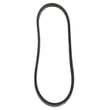
If you determine the auger belt is worn, use the exact replacement listed for this model: mtd snowblower auger drive belt, 1/2 x 35-1/4-in 256963.
Symptom-to-cause cheat sheet
| Symptom | Most likely cause | What to do next |
|---|---|---|
| Won’t start | Stale fuel, carburetor varnish, bad spark plug | Refresh fuel, check spark, clean fuel system |
| Starts then dies | Dirty carburetor, restricted fuel flow | Check fuel line/filter, carburetor cleaning |
| Auger not turning | Belt slipping/broken, control out of adjustment | Inspect belt and linkage |
| Won’t self-propel | Drive system out of adjustment, belt/friction wear | Inspect drive engagement and wear items |
Why it matters
Most snowblower “major failures” start as simple fuel or ignition problems. Fixing a no-start early helps prevent hard starting, plug fouling, and repeated pull-start strain during cold snaps.
Last updated: January 2026
Is it cheaper to repair or replace a snowblower?
For the Craftsman snow thrower model 247887802, it’s usually cheaper to repair when the fix is a common wear item (belt, cable adjustment, tune-up parts) and the total repair cost stays under about 50% of the price of a comparable new snowblower. If the repair involves major drivetrain or engine work, replacement often makes more sense.
A practical way to decide (cost and condition)
We recommend comparing three things before you spend money:
- Parts cost (what you can replace yourself vs. shop-installed)
- Labor cost (diagnosis plus repair time)
- Overall condition (rusted auger housing, worn tires, sloppy controls, hard starting)
For model-specific maintenance and adjustment guidance, use the 247887802 manual.
Repairs that are usually worth it
These are typically lower-cost, high-impact fixes on many gas snowblowers:
- Replace a worn auger belt (symptoms: auger slips, weak throwing)
- Tune-up items (spark plug, fresh fuel, carb cleaning, oil change)
- Chute or control adjustments
- Skid shoe and shave plate service
- Shear pin replacement after a jam
If your auger is not driving strongly, a common repair is replacing the auger drive belt such as the mtd snowblower auger drive belt, 1/2 x 35-1/4-in 256963 (verify fit by model before ordering).
When replacement is usually the smarter option
Replacement tends to win when one or more of these are true:
- Repair estimate is over 50% of a comparable new unit
- Engine has low compression, heavy smoking, or repeated carburetor issues
- Gearcase or major drive components are failing
- Multiple systems need work at the same time (auger, drive, chute, and engine)
Quick comparison table
| Scenario | Typical recommendation | Why |
|---|---|---|
| Belt, shear pins, skid shoes, basic tune-up | Repair | Lower cost, restores performance fast |
| One major repair plus otherwise solid machine | Usually repair | Extends life without buying new |
| Engine or drivetrain overhaul | Usually replace | High labor cost, uncertain payoff |
Why it matters
A snowblower like the Craftsman 247887802 is seasonal equipment; a small repair (like a belt) can restore throwing distance and reliability for years, while a major repair can exceed the machine’s remaining value.
Last updated: January 2026
How long should a gas snowblower last?
A Craftsman gas snowblower like model 247887802 typically lasts 10 to 15 years with normal seasonal use and consistent maintenance. Lifespan is driven less by the brand name and more by fuel care, oil changes, belt condition, and how it is stored between winters (see the 247887802 owner’s manual).
What most affects lifespan on model 247887802
- Fuel management: fresh gas, correct stabilizer use, and draining or treating fuel for storage
- Oil changes: clean oil reduces engine wear and hard starting
- Belt and drive wear: slipping belts reduce performance and can accelerate other wear
- Corrosion prevention: drying the auger housing and chute after use helps prevent rust
- Storage conditions: dry, covered storage reduces cable, bearing, and fastener corrosion
Maintenance schedule that helps you reach 10 to 15 years
| When | What to do | Why it matters |
|---|---|---|
| Every use | Clear packed snow, wipe down, check for loose fasteners | Prevents rust and damage from vibration |
| Monthly during season | Inspect belts and cables, check tire pressure (if equipped) | Catches wear before it becomes a breakdown |
| Start of season | Fresh fuel, check spark plug, inspect shear pins | Improves starting and protects the auger system |
| End of season | Stabilize or drain fuel, change oil, clean and dry | Prevents carburetor issues and corrosion |
Signs it is time for repairs (not necessarily replacement)
- Engine starts but runs rough or surges (often fuel or carburetor related)
- Snowblower won’t clear snow well even at full throttle
- Auger engages but performance is weak (possible belt slip)
- Drive system struggles or unit won’t self-propel consistently
If auger performance drops, a common wear item to inspect is the auger drive belt; for this model, see the mtd snowblower auger drive belt, 1/2 x 35-1/4-in 256963.
Why it matters
A snowblower that is maintained to last 10 to 15 years is usually more reliable during heavy storms, starts easier in cold weather, and costs less over time than replacing the machine due to preventable fuel-system or belt-related failures.
Last updated: January 2026
Can I use 5W30 instead of SAE 30 in my snowblower?
Yes, you can typically use 5W-30 in a Craftsman snow thrower like model 247887802, especially for cold-weather operation; however, the best choice is the exact oil viscosity and API rating specified in the 247887802 owner’s manual. Using the recommended oil helps protect the engine during cold starts and under load.
What we recommend for model 247887802
Because the oil spec is defined by the engine manufacturer and can vary by build, we use the manual as the deciding reference for this exact model.
- Check the manual for the recommended viscosity (often SAE 5W-30 for winter use, sometimes SAE 0W-30 synthetic, or SAE 30 for warmer temperatures)
- Match the API service rating listed (for example, modern small engines commonly call for an API-rated detergent oil)
- If your snowblower is used in consistently freezing temperatures, multi-viscosity oil usually improves cold-start lubrication
- If you operate in above-freezing, warmer conditions, SAE 30 is often acceptable, but only if the manual allows it
5W-30 vs SAE 30: quick comparison
| Oil type | Cold starts | Hot running protection | Best use case |
|---|---|---|---|
| 5W-30 | Better flow at startup | Good overall | Typical winter snowblower temps |
| SAE 30 | Thicker at startup in cold | Good in warm temps | Mild weather or summer storage runs |
How to decide in 30 seconds
- Confirm the outdoor temperature range you actually run in.
- Follow the oil chart/spec in the 247887802 owner’s manual.
- If you already filled with the “wrong” viscosity, it is usually safest to drain and refill with the recommended oil before heavy use.
Why it matters
Snowblower engines see high load and frequent cold starts. Oil that is too thick at startup can delay lubrication, while oil that is too thin for conditions can reduce protection. Following the model-specific oil spec helps prevent hard starting, surging, and premature engine wear.
Last updated: January 2026