Owner’s manual
 View engine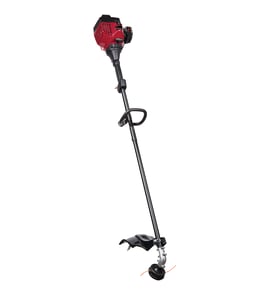


Which is better, .080 or .095 trimmer line?
For a Craftsman 917776740 wheeled weed trimmer, .095-inch line is the better all-around choice for most yards because it lasts longer and cuts thicker weeds with fewer breaks. .080-inch line is best when you want cleaner edging and you are trimming lighter grass where durability is less important.
| Line diameter | Best for | Pros | Trade-offs |
|---|---|---|---|
| .080 in | Light trimming, edging, detail work | Easier to feed, cleaner cut on light grass | Breaks faster in heavy weeds, wears quicker |
| .095 in | General trimming, thicker weeds, rough areas | More durable, better knockdown power | Can load a bit harder, may reduce runtime slightly |
- Choose .080 if you mostly edge sidewalks/driveways and trim maintained turf.
- Choose .095 if you hit fence lines, ditch edges, tall grass, or woody weeds.
- If you frequently snap line, step up to .095.
- If the trimmer bogs down or you want maximum precision, step down to .080.
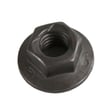
- Match the line to the cutting head limits listed in the 917776740 owner's manual.
Wheeled trimmers like the Craftsman 917776740 are commonly used for heavier growth and uneven areas. In those conditions, .095 typically gives the best balance of cut speed and line life, especially when you are clearing along property edges.
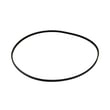
Using the right diameter reduces line breaks, improves cut quality, and helps protect the cutting system from extra vibration and wear. If you are also seeing vibration, slipping, or inconsistent cutting, inspect the drive components such as the line trimmer belt 532185476 and cutting head hardware.
Last updated: February 2026
How do you reload a trimmer spool?
To reload the spool on your Craftsman 917776740 wheeled weed trimmer, you feed new trimmer line into the spool’s anchor holes, wind it evenly in the marked direction, then lock the ends in the retaining notches so it cannot unravel while you reinstall the head. See the 917776740 owner's manual for the exact routing and line size.
- Shut the engine off and let the cutting head stop completely; disconnect the spark plug wire for safety.
- Remove the spool cap/cover and lift the spool out.
- Cut two equal lengths of trimmer line (most wheeled trimmers use heavy line; use the size listed in the manual).
- Insert each line end into the spool’s start/anchor hole.
- Wind the line tight and level, following the arrow or “wind” direction on the spool.
- Clip the line ends into the spool’s holding notches, then reinstall the spool and thread the ends through the eyelets.
Correct winding prevents tangles and “no feed” problems.
| What you see | What it usually means | What to do |
|---|---|---|
| Line keeps springing off the spool | Not locked into notches | Seat ends firmly in retaining notches before reinstalling |
| Line jams or welds together | Wound too loose or overheated | Wind tight, keep layers even, replace brittle line |
| Uneven feed (one side longer) | Unequal line lengths or crossed wraps | Use equal lengths; rewind with flat, parallel wraps |
Some Craftsman high-wheel trimmers use a mow ball style head rather than a bump-feed spool. If your unit has a ball under the deck, you typically replace the line by routing it through the head and around the ball path, then securing it per the manual.
- Inspect the ball for flat spots or cracking
- Replace worn hardware so the line tracks correctly
- If the head wobbles, check the spindle and belt drive
Helpful model-matched parts to inspect while you are there:
Properly loaded line cuts cleaner, reduces vibration, and prevents premature wear on the cutting head, spindle, and drive belt.
Last updated: February 2026
Do trimmer plus attachments work with Craftsman?
Many TrimmerPlus attachments work with Craftsman equipment, but compatibility depends on the power head design. Your Craftsman 917776740 is a wheeled weed trimmer, not a split-shaft string trimmer power head, so TrimmerPlus-style attachments typically are not a direct fit; we recommend confirming the attachment interface in the Craftsman 917776740 owner's manual.
Use these checks before buying an edger, cultivator, or blower attachment:
- Verify your unit is an attachment-capable power head (many are straight or curved shaft trimmers with a coupler)
- Look for a split-shaft coupler (a clamp or collar where the lower shaft detaches)
- Confirm the attachment brand lists Craftsman and the specific coupler type it supports
- Match the drive connection style (square/hex/flexible drive shaft, depending on system)
- Compare any required shaft diameter and coupler length
This model is a wheeled line trimmer that uses a belt-and-spindle cutting system rather than a detachable lower shaft for multi-tool attachments.
| Feature | Attachment-capable trimmer power head | Craftsman 917776740 wheeled trimmer |
|---|---|---|
| Detachable lower shaft | Common | Not typical |
| Coupler for add-ons | Yes | Usually no |
| Cutting system | Gearbox at head | Belt, spindle, mow ball style head |
For edging with this type of wheeled trimmer, the practical options are usually:
- Use a dedicated wheeled edger
- Use a handheld attachment-capable trimmer power head for TrimmerPlus accessories
- Keep your wheeled trimmer maintained for heavy trimming; replace worn drive and cutting components as needed (for example, a slipping belt can reduce cutting performance)
If your trimmer is not driving the head well, check the line trimmer belt 532185476 and related spindle components for wear.
Buying the wrong attachment wastes time and money; the coupler and drive interface must match your machine’s design for safe operation and reliable power transfer.
Last updated: February 2026
What size trimmer line for CRAFTSMAN?
For the Craftsman 917776740 wheeled weed trimmer, we recommend using round trimmer line in the 0.155 in (approximately 4 mm) range, which is the most common size for high-wheel walk-behind trimmers. For the exact line diameter and loading method for your unit, follow the specs in the 917776740 owner's manual.
Most wheeled, high-wheel trimmers like the Craftsman 917776740 are designed for thicker line to cut heavy grass and weeds.
- 0.155 in round line: best all-around choice for power and durability
- 0.130 in round line: works if you want easier feeding and slightly less load on the engine
- Avoid 0.065 in and 0.080 in line: those sizes are typically for handheld string trimmers and wear out quickly on a wheeled trimmer
Use these checks to confirm you are matching the cutting head design on your trimmer.
- Verify whether your head uses precut line segments (common on wheeled trimmers) or a spool
- Measure the old line diameter with a tape measure or caliper if you still have a piece
- If the line keeps breaking, switch to round line (less drag than square or star)
- If the engine bogs down, step down one size (for example, from 0.155 in to 0.130 in)
If the line is the right size but cutting is poor, the drive and head components may be the real issue.
| Symptom | Common cause | Example part for this model |
|---|---|---|
| Line spins slowly or stops in tall grass | Worn or slipping belt | Line trimmer belt 532185476 |
| Excess vibration or wobble at the head | Worn spindle or housing | High-wheel trimmer spindle assembly 596878501 |
| Line cuts unevenly | Worn mow ball or hardware | Mow ball 532180337 |
Using the correct line diameter helps the Craftsman 917776740 maintain blade-tip speed (line speed), reduces stalling, and prevents premature wear on the cutting head, belt, and spindle.
Last updated: February 2026
What is the difference between a whipper, snipper, and a line trimmer?
A whipper snipper, snipper, and line trimmer usually refer to the same basic tool: a trimmer that cuts grass and weeds with fast-spinning nylon line. For your Craftsman 917776740 wheeled weed trimmer, the key difference is typically name and region, not a different machine type; some trimmers can also accept blade-style heads for heavier brush (model-dependent). See the 917776740 owner's manual for the cutting head style and approved accessories.
- Line trimmer (string trimmer): Uses nylon line to cut grass and light weeds.
- Whipper snipper: Common nickname for a line trimmer (often used in Australia and New Zealand).
- Snipper: Another casual term people use for a line trimmer.
- Brush cutter (related term): A heavier-duty tool that may use a metal blade for thick weeds and brush.
Even when the names are used interchangeably, performance depends on the trimmer’s design and cutting system.
- Wheeled trimmer platform: Better for edging large areas and taller grass with less fatigue.
- Cutting head compatibility: Some units are line-only; others support alternate heads.
- Drive components: Belt, pulleys, and spindle parts affect how smoothly the head spins.
- Line size and length: Using the wrong line can reduce cutting power and increase vibration.
| Term you hear | Typical cutting method | Typical use |
|---|---|---|
| Line trimmer | Nylon line | Grass, light weeds |
| Whipper snipper / snipper | Nylon line | Same as line trimmer |
| Brush cutter | Blade or heavy line | Thick weeds, brush |
Using the wrong cutting head, line type, or hardware can cause poor cutting, excess vibration, or premature wear on drive parts like the belt and spindle.
If you are troubleshooting cutting performance, common wear items on this model include the line trimmer belt 532185476 and the high-wheel trimmer spindle assembly 596878501.
Last updated: February 2026
What is the oil gas mixture for a CRAFTSMAN trimmer?
For the Craftsman 917776740 wheeled weed trimmer, we use a 40:1 fuel mix: 40 parts fresh unleaded gasoline to 1 part 2-cycle oil (about 2.5% oil). Mix it in an approved gas can before filling the tank; do not mix fuel in the trimmer.
Use this chart to measure accurately.
| Gasoline amount | 2-cycle oil needed | Notes |
|---|---|---|
| 1 gallon | 3.2 fl oz | Common U.S. mix size |
| 1/2 gallon | 1.6 fl oz | Good for small batches |
| 1 quart | 0.8 fl oz | Useful for testing/runs |
| 1 liter | 25 ml | Metric reference |
- Use fresh unleaded gasoline (stale fuel causes hard starting and poor power).
- Use 2-cycle engine oil intended for air-cooled small engines.
- Add about half the gas to the can, add the oil, then add the remaining gas.
- Cap the can and shake to blend; then fill the trimmer.
- Label the can “40:1” so the mix does not get used in the wrong equipment.
A 2-cycle engine depends on oil in the fuel for lubrication. Too little oil can score the cylinder and shorten engine life; too much oil can foul the spark plug, smoke excessively, and reduce performance.
For fuel handling, starting steps, and maintenance intervals specific to Craftsman 917776740, follow the 917776740 owner's manual.
Last updated: February 2026
How to replace trimmer head on CRAFTSMAN Weedwacker?
On the Craftsman 917776740 wheeled weed trimmer, replacing the trimmer head (cutting head/mow ball area) typically means locking the spindle, unthreading the head, then installing the new head by hand first to avoid cross-threading. Finish by tightening securely and rechecking line clearance using the 917776740 owner's manual.
- Shut the engine off and let all moving parts stop.
- Disconnect the spark plug wire so the trimmer cannot start accidentally.
- Tip the trimmer only as recommended; keep fuel cap tight to reduce spills.
- Wear gloves; the cutting area can have sharp edges and debris.
- Lock the spindle: Look for the spindle lock hole/slots near the cutting head. Insert a sturdy screwdriver or pin to keep the spindle from turning.
- Remove the head: Turn the head in the loosening direction for your unit (many heads loosen counterclockwise, but some are reverse-threaded). If it resists, apply steady pressure rather than jerking.
- Inspect related parts: Check the spindle area for wrapped line, grass, or damage.
- Install the new head: Start threading by hand for several turns. If it does not spin on smoothly, back it off and restart to prevent cross-threading.
- Tighten and verify: Lock the spindle again and snug the head firmly. Spin the head by hand to confirm it turns freely and the line path is clear.
If the head area wobbles, slips, or will not stay tight, these parts are often worth inspecting:
- High-wheel line trimmer spindle housing assembly 532174543 (cutting head housing)
- High-wheel trimmer spindle assembly 596878501 (spindle assembly)
- Line trimmer mow ball bolt 532180334 (fastener used in the mow ball/head area)
- Husqvarna line trimmer mow ball 532182217 (mow ball assembly)
| Symptom | Most common cause | What to do |
|---|---|---|
| Head loosens quickly | Cross-threaded or not fully seated | Remove, hand-start threads again, retighten |
| Excess vibration | Debris wrapped, bent parts, worn spindle | Clean, inspect spindle housing and fasteners |
| Poor cutting | Wrong line length/diameter, line not feeding | Reload line correctly and trim to spec |
A properly installed head protects the spindle threads, reduces vibration, and helps the belt-driven cutting system run smoothly. Cross-threading or running the head loose can damage the spindle and lead to bigger repairs.
Last updated: February 2026