Owner’s manual
 View engine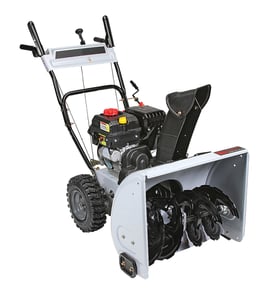



Can I use 5W30 instead of SAE 30 in my snowblower?
Yes. For Craftsman snow thrower model 247889570, we use 5W-30 engine oil; it is the specified oil type and is a better choice for cold-weather starting than SAE 30. Follow the oil level and fill procedure in the 247889570 owner's manual.
What to use for this model
Your 247889570 snowblower is designed around these engine oil basics:
- Oil type: 5W-30
- Oil capacity: 20 oz (approx. 0.6 L)
- Check oil on level ground with the engine off
- Do not overfill; overfilling can cause smoking, hard starting, or spark plug fouling
Quick comparison
| Oil choice | Cold starting | Warm running protection | Best use case |
|---|---|---|---|
| 5W-30 | Excellent | Excellent | Snowblower use across typical winter temps |
| SAE 30 | Poor in cold | Good | Warmer-weather engines (not ideal for snow) |
How to check and top off oil correctly
We recommend this routine before each use:
- Remove the oil filler cap/dipstick and wipe it clean
- Insert dipstick without threading it in, then remove to read level
- Add 5W-30 slowly until the level is between H and L
- Reinstall and tighten the cap/dipstick before starting
Why it matters
Oil viscosity affects how quickly the engine lubricates at startup. In winter conditions, 5W-30 flows faster than SAE 30, which helps reduce wear during cold starts and supports smoother starting and running.
Related maintenance that helps starting
If you are also dealing with hard starting or rough running, fuel and ignition maintenance often matter as much as oil:
- Use fresh gasoline (avoid stale fuel)
- Check the spark plug condition and gap
- Change oil at the end of the season before storage
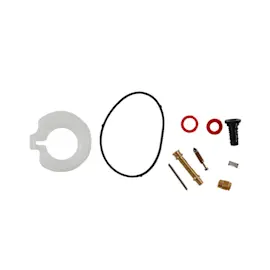
- If fuel issues persist, the carburetor may need service or replacement (see snowblower carburetor assembly 951-12705)
Last updated: February 2026
How long should a gas snowblower last?
For the Craftsman snow thrower model 247889570, the operator guidance lists an average useful life of 7 years or about 60 hours of operation. With consistent seasonal maintenance (oil changes, lubrication, and storage prep), many gas snowblowers deliver dependable service well beyond that baseline. See the 247889570 operator's manual.
What “average useful life” means for this model
The manual’s average useful life is a planning benchmark tied to typical use and safety wear. It helps you decide when to increase inspections and maintenance.
- 7 years or 60 hours is the stated average useful life for this unit
- After that point, plan for annual inspections of mechanical and safety systems
- Lifespan depends heavily on storage, fuel quality, and wear-part replacement
- Heavy, wet snow and frequent use shorten life; light use can extend it
Maintenance that extends snowblower life
We recommend these high-impact habits for a gas snowblower like the 247889570:
- Change engine oil at least once per season and before storage
- Drain or run out fuel before off-season storage to reduce carburetor gumming
- Lubricate the drive hex shaft at least once per season or every 25 hours
- Grease wheel axles seasonally to prevent seizing and corrosion
- Replace wear parts promptly (shear pins, scraper blade, skid shoes, cables)
Common wear items and what they affect
| Wear item | What you notice when it’s worn | Why it matters |
|---|---|---|
| Shear pins | Auger stops turning after hitting ice or debris | Protects gearbox and auger system from damage |
| Scraper blade | Leaves snow behind, poor clean-down to pavement | Improves clearing performance and reduces strain |
| Skid shoes | Uneven scraping, housing drags or rides too high | Protects auger housing and sets clearing height |
| Carburetor | Hard starting, surging, stalling | Controls fuel delivery and engine stability |
Why it matters
Knowing the expected service life helps you budget for maintenance and prioritize safety checks. A well-maintained auger, drive system, and fuel system reduce breakdowns during storms and help your Craftsman snowblower perform reliably for many winters.
Last updated: February 2026
How to tell if a snowblower auger belt is bad?
On a Craftsman snow thrower model 247889570, a bad auger belt usually shows visible wear (cracks, fraying, glazing) or causes poor performance (auger slips, stops under load, or throws snow weakly). Confirm by inspecting the belt and then performing the auger control test in the 247889570 owner's manual.
Quick signs the auger belt is failing
- Cracks across the belt ribs or backing
- Frayed edges or cords showing
- Shiny, glazed surface (belt slips on the pulley)
- Missing chunks or melted spots
- Auger engages but slows or stops when it hits heavier snow
- Rubber burning smell after engaging the auger
What to check on this model before blaming the belt
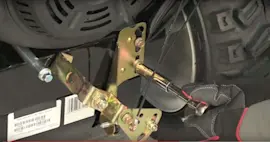
The manual’s auger control adjustment matters because a cable that is too loose can mimic a “bad belt” by not fully engaging the auger drive.
- With the auger control released (disengaged), the cable should have very little slack and should not be tight
- Engage the auger for about 10 seconds, release, repeat several times
- With the control released, confirm the auger has completely stopped and shows no sign of motion
- If the auger still creeps, adjust the auger control cable bracket to change slack/tension
Belt condition vs. symptom guide
| What you notice | Most likely cause | What we recommend |
|---|---|---|
| Auger barely turns, belt looks shiny | Belt glazing and slipping | Replace belt; clean pulley surfaces while accessible |
| Auger works, then stops in heavy snow | Belt stretched or worn | Inspect for stretch and cracking; replace if worn |
| Auger will not turn at all | Belt broken or off pulley (or shear pin issue) | Inspect belt path; also check shear pins |
| Burning rubber smell | Belt slipping or misrouted | Stop use; inspect belt, pulleys, and belt keeper |
Related “no-throw” issue: check shear pins
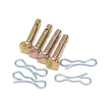
If an auger blade does not turn, a shear pin may have broken to protect the gearbox. On this model, use the correct replacement shear pin specified for the machine, such as Craftsman snowblower shear pin 738-04124A.
Why it matters
A slipping auger belt reduces throwing distance and can overheat, glaze, and fail completely. Catching belt wear early helps protect pulleys, belt keepers, and the auger drive system.
Last updated: February 2026
How to tell year of Craftsman snowblower by serial number?
For Craftsman snow thrower model 247889570, the most reliable way to identify the year is to match your serial number format to the decoding method shown in the 247889570 owner's manual. Many units in this series were built by MTD; on those, the serial number often contains a build date code (month, day, then year within a decade).
Where to find the serial number
Most Craftsman snowblowers place the model and serial tag on the frame near the engine, behind the auger housing, or along the rear of the unit.
- Look for a metal or foil label that lists MODEL and SERIAL
- Wipe off snow, salt, and oil film so every character is readable
- Write the serial number exactly as shown (letters matter)
- If the label is damaged, check for a second tag on the frame or handle support
How MTD-style serial numbers are commonly decoded
A common MTD-style pattern uses the first several characters as a build date.
- Month: often a letter code (commonly A = Jan through L = Dec)
- Day: often two digits (01 to 31)
- Year: often a single digit indicating the year within a decade
- Remaining characters typically identify the production sequence
Quick example (format illustration)
| Serial snippet | What it can mean | Example result |
|---|---|---|
B15x… |
B = February, 15 = day | Built Feb 15 |
…7… |
7 = year within decade | Built in a year ending in 7 |
How to confirm the exact year (not just the decade)
Because a single year digit repeats every 10 years, we confirm the decade using the snowblower’s features and parts list.
- Compare your engine labeling and control layout to the diagrams in the manual
- Check whether your parts match common listings such as shear pins and cables
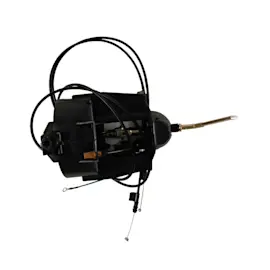
- If your auger stops engaging or the lever feel is wrong, inspect the snowblower auger clutch cable 946-04230b because cable revisions sometimes align with production runs
Why it matters
Knowing the correct build year helps us match the right Craftsman parts (shear pins, skid shoes, scraper blade, carburetor assembly) and prevents ordering a look-alike part that will not fit your auger drive or control system.
Last updated: February 2026
Is it worth fixing a snowblower?
Yes, it’s worth fixing a Craftsman snow thrower model 247889570 when the problem is a normal wear item (shear pins, skid shoes, belts, cables) or routine maintenance, because those repairs are usually far less than replacing the machine. Use the 247889570 owner's manual to match symptoms to the maintenance and troubleshooting steps.
Quick way to decide (repair vs. replace)
Use these checkpoints to make a clear call:
- Repair it if the issue is maintenance-related: clogged carburetor from old fuel, worn skid shoes, worn shave plate, broken shear pin, loose hardware.
- Repair it if the machine is structurally solid: auger housing, frame, and controls are not bent or cracked.
- Repair it if it starts and runs but performance is poor (often fuel, spark plug, or adjustment).
- Consider replacing if it needs major engine internals (short block, crankshaft, cylinder head) and you also have multiple other worn systems.
- Consider replacing if repeated breakdowns are happening every season despite proper storage and maintenance.
Common “worth fixing” repairs for this model
These are typical, high-value fixes that restore performance quickly:
| Symptom | Likely fix | Example part for this model |
|---|---|---|
| Auger stops turning after hitting ice or debris | Replace the correct shear pin (never substitute bolts) | Craftsman snowblower shear pin 738-04124A |
| Poor scraping, leaves snow behind | Replace shave plate or scraper blade; check skid shoe height | Mtd snowblower scraper blade 790-00120-0637 |
| Auger will not engage or feels loose | Adjust or replace the auger clutch cable | Snowblower auger clutch cable 746-04230 |
Why it matters
Using the correct wear parts and doing seasonal maintenance protects expensive components (auger gearbox, friction wheel, hex shaft, engine). The manual also calls out safe service steps like stopping the engine, waiting for moving parts to stop, and disconnecting the spark plug wire before repairs.
Cost-saving maintenance that prevents “big” repairs
We recommend these habits for the 247889570:
- Drain/run out fuel for storage longer than 30 days to reduce carburetor gumming.
- Change engine oil on schedule.
- Lubricate the auger shaft seasonally (after removing shear pins).
- Inspect skid shoes and shave plate often; rotate skid shoes if they have two wear edges.
- Re-torque and recheck fasteners periodically.
Last updated: February 2026
Where is the serial number on a snowblower?
On most Craftsman snowblowers, the model and serial number label is on the rear of the machine, typically on the back of the frame near the handles or engine area. For Craftsman model 247889570, use the identification label numbers when ordering parts and looking up service information in the 247889570 operator's manual.
Where to look on the machine
Check these common label locations first (wipe off snow, salt, and grime so you can read it):
- Rear of the snowblower frame behind the engine
- Back panel near the handle mounting area
- Side of the frame close to the wheels or axle
- Near the auger housing on the main chassis (less common)
- On a metal tag or a printed sticker riveted to the frame
What numbers you should write down
Snowblowers often show multiple identifiers. Here is what each one is used for.
| Label item | What it means | What to use it for |
|---|---|---|
| Model number | Identifies the exact snowblower design | Parts lookup and diagrams |
| Serial number | Identifies your specific unit | Warranty and service records |
| Engine model/type code | Identifies the engine itself | Engine parts like carburetor, ignition, starter |
Why it matters
Using the correct model and serial information helps us match the right Craftsman snow thrower parts (like shear pins, skid shoes, cables, and carburetor components) to your exact build. That prevents ordering a part that looks similar but does not fit.
Quick tip for parts ordering
If you are ordering common wear items, match the part to the correct section in the parts list:
- Auger drive issues: cable, belt, shear pins
- Poor scraping or uneven clearing: skid shoes, scraper blade
- Hard starting or surging: spark plug, carburetor, primer, fuel system
Last updated: February 2026