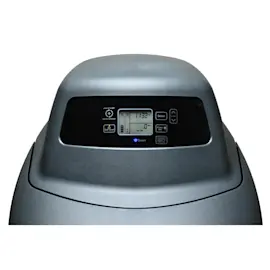
Owner’s manual
 Error Codes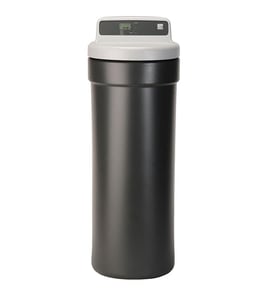



Is it worth repairing a water softener?
Yes, repairing a Kenmore water softener like model 625383060 is worth it when the problem is isolated to a serviceable part (valve motor, seals, venturi, control) and the unit is otherwise in good condition; replacement makes more sense when the tank is leaking, performance is consistently poor, or multiple major parts are failing.
Quick decision checklist
- Repair when you have hard water symptoms but the tank and plumbing are sound.
- Repair when the issue points to a single component (motor, seal kit, venturi, switch).
- Repair when the softener still regenerates but is inefficient (salt use is high, cycles are erratic).
- Replace when the resin tank or salt storage drum leaks.
- Replace when you have repeated failures across electronics and valve components.
- Replace when the softener cannot be set up correctly (timer/settings) and problems persist after a reset.
Common repairs that are usually worth it on model 625383060
Many “no soft water” complaints come from brine-making or valve-drive issues. These are typically repairable.
- Clean the nozzle and venturi (plugging from sand, silt, or dirt can stop brine draw): see the 625383060 owner's manual.
- Fix a salt bridge (a hardened crust that prevents salt from dissolving into brine).
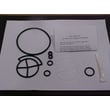
- Replace worn seals if you see internal leaking or poor regeneration: Kenmore water softener seal kit 7129716.
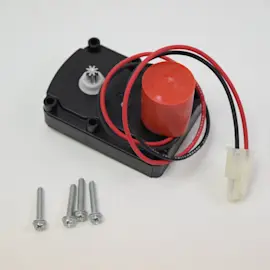
- Replace a stalled drive motor if the valve is not advancing through cycles: Kenmore water softener valve motor 7286039.
Repair vs replace: cost and symptom guide
| What you see | Most likely direction | Typical reason |
|---|---|---|
| Hard water, unit runs but results are inconsistent | Repair | Nozzle/venturi dirty, seal wear, settings/timer issue |
| Error code on display | Repair first | Electronics or position sensing issue; troubleshoot by code |
| Water leaking from tank or salt drum | Replace | Structural leak is not a routine wear-part fix |
| Multiple parts failing within a short time | Replace | Compounding wear in valve and controls |
Why it matters
A working softener protects plumbing and water-using appliances by removing hardness minerals (measured in grains per gallon) and it can remove some clear water iron; when regeneration or brine draw fails, you quickly feel it as scale buildup and reduced soft-water performance.
Helpful troubleshooting resource
If you see an error code on the faceplate display, use Kenmore error codes to match the code to the most likely failure area before buying parts.
Last updated: January 2026
What is the life expectancy of a Kenmore water softener?
A Kenmore water softener like model 625383060 typically lasts 10 to 15 years. The resin bed is the main wear item and commonly needs attention or replacement around that same window, especially with high hardness, iron, or chlorine exposure. See the 625383060 owner's manual for care and operating guidance.
Typical lifespan by component
These ranges help you plan maintenance and parts replacement for a Kenmore water softener:
- Softener tank and brine tank: 10 to 15 years
- Resin media: 10 to 15 years (often the first performance-limiting item)
- Valve seals and internal wear parts: 5 to 10 years
- Drive motor and switches: 7 to 12 years
| Component | What usually fails first | Common symptom |
|---|---|---|
| Resin media | Fouling from iron, chlorine damage, age | Hard water returns sooner after regeneration |
| Seals/rotor parts | Wear, debris scoring | Leaks, constant running to drain, poor regeneration |
| Motor/switches | Wear, gear issues, electrical failure | Stuck in recharge, clicking, error codes |
What shortens life expectancy
Water conditions and setup have the biggest impact on how long a 625383060 softener lasts:
- Very hard water (high grains per gallon) increases regeneration frequency
- Iron in water can foul resin and restrict the nozzle/venturi
- High chlorine can degrade resin faster
- Salt bridging (a crust in the brine tank) prevents proper brine making
- Skipped cleaning and maintenance leads to poor regeneration and premature wear
Maintenance that extends service life
We recommend these habits to keep soft water performance consistent:
- Keep the brine tank filled with the correct salt type and break up any crusting
- Clean the brine tank periodically and remove sludge
- Confirm hardness settings and salt level settings after adding salt
- Address salt bridge symptoms quickly (hard water even with a full salt tank)
- If you see leaks or poor regeneration, inspect wear parts such as the Kenmore water softener seal kit 7129716
Why it matters
A softener that is nearing end-of-life often still runs, but it uses more salt and water, regenerates more often, and lets hardness minerals through. Catching resin or valve wear early helps protect plumbing, water heaters, and fixtures from scale.
Last updated: January 2026
What water softeners do plumbers recommend?
Plumbers typically recommend water softeners that are correctly sized for the home’s hardness level (grains per gallon), have a proven control valve, and are easy to service. If you already own a Kenmore water softener like model 625383060, the best “recommended” choice is keeping it properly set up, protected from freezing, and maintained per the 625383060 owner's manual.
What plumbers usually look for (and what to match in your home)
- Correct capacity for your household water use and hardness (gpg)
- Reliable regeneration control (consistent 2:00 a.m. recharge scheduling is common)
- Easy-to-service valve and seals (common wear items)
- Proper installation location (dry, accessible, protected from freezing)
- Clear support for troubleshooting and error codes
Quick checklist to choose the right softener type
| Home situation | What plumbers usually recommend | Why |
|---|---|---|
| City water, typical hardness | Standard demand-initiated softener | Efficient salt and water use |
| Well water with clear-water iron | Softener rated for iron plus routine resin cleaning | Helps control clear-water iron |
| High iron (red water) or heavy staining | Separate iron filter plus softener | Softener alone is not designed for red-water iron |
| Tight space or DIY install | Unit with a straightforward bypass and service access | Faster service and fewer leaks |
If you have Kenmore 625383060: what “recommended” maintenance looks like
Our Kenmore 625383060 is designed to remove hardness minerals and can remove some clear-water iron (within the manual’s limits). Keeping performance strong usually comes down to these basics:
- Set the correct time of day so regeneration happens when expected
- Verify hardness setting matches your tested water hardness
- Keep salt at an appropriate level and break up salt bridges
- Protect the softener and piping from freezing
- Clean the nozzle/venturi and screens if brine draw is weak
If you’re troubleshooting poor softening or frequent regenerations, the valve drive components are common service points; see the Kenmore water softener valve motor 7286039 and the Kenmore error codes reference for symptom direction.
Why it matters
A “plumber-recommended” softener is usually the one that fits your water chemistry and is installed and maintained correctly. Even a top-tier unit will underperform if hardness is set wrong, the venturi is clogged, or the system is exposed to freezing.
Last updated: January 2026