Owner’s manual
 View engine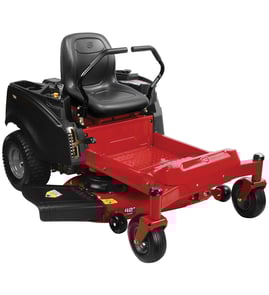



What kind of engine does a Craftsman riding lawn mower have?
For Craftsman rear-engine riding mower model 917204130, the exact engine make and model cannot be identified from the model-specific information available here. In general, Craftsman riding mowers commonly use a single-cylinder gasoline engine (often from Briggs & Stratton) sized to match the mower’s deck and drivetrain.
How to identify the engine on model 917204130
Use the engine’s ID tag, not the mower model number. The engine tag is typically on the blower housing, valve cover, or near the starter.
- Look for engine brand (Briggs & Stratton, Kohler, etc.)
- Record the model, type, and code (or spec) numbers
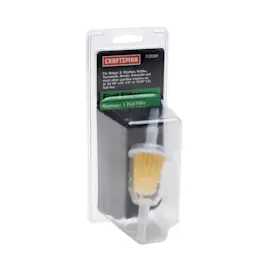
- Match those numbers when ordering tune-up parts (air filter, spark plug, fuel filter)
- If the tag is dirty, wipe it and use a flashlight to read stamped characters
- Keep the numbers with your mower records for future maintenance
Where the manual helps
Your 917204130 owner’s manual is the best place to confirm engine-related maintenance specs such as oil type/viscosity, oil capacity, spark plug gap, and service intervals for this mower configuration.
Why it matters
Engine families can vary within the same mower model series over different production runs. Using the engine ID prevents ordering the wrong ignition parts, carburetor parts, or fuel system components.
Quick reference: mower model vs. engine model
| What you have | Where to find it | What it’s used for |
|---|---|---|
| Mower model 917204130 | Frame tag under seat or on chassis | Mower diagrams and chassis/deck parts |
| Engine model/type/code | Engine ID tag on engine | Engine tune-up and internal engine parts |
Last updated: January 2026
How much does it cost to replace a riding mower engine?
For a Craftsman rear-engine riding mower model 917204130, replacing the engine is typically a major repair; the total cost is usually $800 to $2,500+ when you combine the engine, installation labor, and any related parts needed to make the swap reliable. Use the 917204130 owner's manual to confirm basic service and safety steps before planning the job.
What drives the total cost
Engine replacement cost varies because the “right” engine depends on the exact crankshaft size, mounting pattern, and electrical connections used on your 917204130.
Common cost drivers include:
- Engine type and horsepower (OEM-style replacement vs. repower options)
- Crankshaft specs (diameter, length, keyed or tapped)
- Wiring and charging system compatibility (stator/regulator connections)
- Fuel system condition (old fuel, varnish, leaking grommets/lines)
- Labor time (rusted fasteners, seized pulleys, belt routing complexity)
- Extra parts you replace “while you’re in there”
Typical price ranges (parts + labor)
| Scenario | What’s included | Typical total |
|---|---|---|
| DIY swap | Engine + your time, minimal extras | $800 to $1,800 |
| Shop install | Engine + professional labor | $1,200 to $2,500+ |
| Repower with add-ons | Engine + wiring/exhaust/fuel updates | $1,500 to $3,000+ |
Parts you may end up replacing during an engine swap
Even if the engine is the main issue, we often see related wear items add cost and prevent repeat failures:
- Drive belts and idlers (if cracked or glazed)
- Battery cables and wiring repairs
- Fuel tank grommets, valves, and clamps
- Exhaust components and heat shields
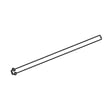
Example of a related component you might inspect for fit or damage during the job: lawn tractor engine exhaust tube, left 583954501.
Why it matters
An engine replacement only pays off if the mower’s drivetrain, deck, and electrical system are in good shape. If the mower also needs a deck rebuild, transmission work, or major wiring repair, the total investment can climb quickly.
Last updated: January 2026
How much oil does a Craftsman 917 take?
For the Craftsman rear-engine riding mower model 917204130, the exact engine oil capacity depends on the specific engine installed on that mower; we confirm the correct fill amount by following the oil-change specifications in the 917204130 owner’s manual.
How we recommend filling oil on model 917204130
Use this approach so you do not overfill (which can cause smoking, leaks, or hard starting):
- Park on a level surface and let the engine cool.
- Drain old oil fully, then reinstall the drain hardware.
- Add oil in small amounts, pausing to check the dipstick each time.
- Stop when the dipstick reads at the full mark (do not fill above it).
- Run the engine briefly, shut it off, wait a minute, then recheck.
If your mower uses a drain tube setup, replacing a damaged drain component can help prevent messes and leaks during service; see the oil drain tube 584825501 and the oil drain plug 585807101 if those parts are worn or missing.
Quick reference: what “capacity” means
| Term | What it includes | What you should do |
|---|---|---|
| Dry capacity | Engine completely empty (rare in normal service) | Do not use this for routine oil changes |
| Refill amount | Typical oil change after draining | Add gradually and verify on dipstick |
| Dipstick full mark | Correct operating level | This is the final authority |
Why it matters
Correct oil level protects the engine in your Craftsman 917204130 by maintaining lubrication and cooling. Too little oil accelerates wear; too much oil can foam and reduce lubrication.
Last updated: January 2026
Is it worth replacing a lawn mower engine?
Replacing the engine on your Craftsman rear-engine riding mower model 917204130 is worth it when the deck, frame, steering, and drive system are still solid and the total engine swap cost stays well below the price of a comparable replacement mower. Use the 917204130 owner’s manual to review basic checks first.
Quick decision checklist
We typically recommend an engine replacement when most of these are true:
- The mower deck is structurally sound (no major rust-through or cracks)
- The drive system still moves the mower reliably
- Steering and brakes operate normally or can be adjusted
- You can confirm the replacement engine is compatible (mounting, crankshaft, wiring)
- The mower’s overall condition justifies the labor and downtime
Cost rule of thumb
If the engine replacement (parts plus labor) is more than about 50% of what you would spend on a comparable mower, replacing the mower is usually the better value.
| Situation | Usually the better choice |
|---|---|
| Engine failed but deck and drive are strong | Replace the engine |
| Engine failed and drive/transmission is also failing | Replace the mower |
| Multiple big-ticket repairs needed at once | Replace the mower |
Before you commit: confirm it’s truly an engine problem
Many “bad engine” symptoms are caused by fuel delivery, ignition, or safety interlock issues. Before pricing an engine, we check:
- Fresh fuel and an open fuel path (tank, valve, lines)
- Battery condition and clean, tight cable connections
- Safety switch operation (seat, brake, PTO)
- Belt and pulley condition if the complaint is “won’t move” or “won’t mow”
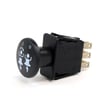
If you’re chasing a no-start or no-crank issue, common culprits can include the ignition switch and PTO switch; for example, a faulty lawn tractor pto switch 582107601 can prevent blade engagement and sometimes gets mistaken for a bigger engine problem.
Why it matters
An engine swap is one of the highest-cost repairs on a riding mower. Verifying the deck, drive components, and safety circuits are healthy helps you avoid investing in an engine when another major system is near failure.
Last updated: January 2026