



What is the most common problem with Maytag dryers?
For the Maytag LDG9824AAE dryer, the most common problem we see is no heat or no start caused by overheating from restricted airflow. A clogged lint screen housing, blocked vent duct, or crushed vent hose can overheat the dryer and trip a safety device such as the thermal fuse.
Most common symptoms and what they usually mean
- Dryer will not start: often a blown thermal fuse or door switch issue
- Runs but no heat (gas models): commonly an igniter, radiant sensor, or gas valve coil problem
- Long dry times: almost always restricted venting or lint buildup inside the blower housing
- Squealing, thumping, or grinding: worn drum support rollers, bearings, or seals
- Stops mid-cycle: overheating from poor airflow, or a thermostat cycling abnormally
Quick checks we recommend first (fast, no parts)
- Clean the lint screen and confirm air is moving strongly at the outside vent hood.
- Inspect the vent hose behind the dryer for kinks, crushing, or excessive length.
- Run a timed heat cycle and watch for heat cycling on and off normally.
- If the dryer is noisy, rotate the drum by hand (unplugged) and listen for rough spots.
Common parts tied to these problems on LDG9824AAE
If airflow is good and the problem persists, these model-compatible parts are frequent fixes:
| Symptom | Common suspect part | Example part for this model |
|---|---|---|
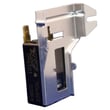
| No start (dead) | Thermal fuse | Dryer thermal fuse, 243-degree f WP307473 |
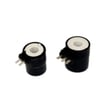
| No heat (gas) | Gas valve coils | Second coil 279834 |
| No heat (gas) | Radiant sensor | Gas sensor WP338906 |
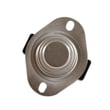
| Overheats or cycles oddly | Operating thermostat | Thermostat WP3387134 |
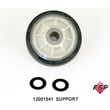
| Thumping/squealing | Drum support roller | Roller w/bea 12001541 |
Why it matters
Restricted airflow is the root cause behind many “common” dryer complaints because it raises internal temperatures. That overheating can blow a thermal fuse, shorten the life of thermostats, and make gas-ignition components fail sooner.
Last updated: January 2026
How many cubic feet is my Maytag dryer?
We size the Maytag LDG9824AAE as a full-size residential dryer; most dryers in this class are about 6.5 to 7.4 cu. ft. capacity. For an exact number, match your model to the correct drum and cabinet configuration before ordering parts or planning a laundry space.
How to estimate capacity (quick method)
If you need a practical estimate, use the drum measurement method:
- Unplug the dryer and let it cool completely.
- Measure the drum diameter (inches) and drum depth (front-to-back, inches).
- Estimate drum volume:
diameter ÷ 2gives radius; thenπ × radius² × depth. - Convert cubic inches to cubic feet: divide by 1728.
- Use the result as an estimate; baffles and drum shape can change the usable space.
Typical dryer capacity ranges (what most customers see)
| Dryer type | Typical capacity range |
|---|---|
| Compact 24-inch dryer | 3.4 to 4.4 cu. ft. |
| Full-size 27-inch dryer | 6.5 to 7.4 cu. ft. |
| Extra-large full-size | 7.4+ cu. ft. |
Why it matters
Capacity affects how much laundry you can dry per load, cycle time, and how well the dryer tumbles bulky items. It also helps when comparing replacement models or deciding whether airflow and heat issues are load-size related.
Related parts that impact real-world drying performance
If loads feel “small” because drying is slow or uneven, these parts commonly affect heat and airflow on gas dryers like the LDG9824AAE:
- Dryer thermal fuse, 243-degree f WP307473 (overheating protection; can stop heat)
- Thermostat WP3387134 (regulates operating temperature)
- Gas sensor WP338906 (radiant sensor; helps control burner ignition)
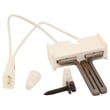
- Gas igniter 4391996 (ignites the gas burner)
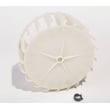
- Impeller Y303836 (blower wheel; moves air through the drum and vent)
Last updated: January 2026
Why is my Maytag Bravos XL dryer not drying?
If your Maytag dryer (model LDG9824AAE) runs but clothes stay damp, the most common causes are restricted airflow (lint buildup or a crushed vent), weak heat from a failing ignition system, or a safety device opening due to overheating. Start with airflow checks, then test heat components.
Quick checks that fix most “not drying” complaints
- Clean the lint screen completely (wash with soap and water if it has fabric softener film).
- Inspect the vent hose behind the dryer for kinks, crushing, or excessive length.
- Check the outside vent hood for a stuck flap, lint blockage, or bird screen restriction.
- Run a timed dry cycle and confirm strong airflow at the outside vent.
- Reduce load size; overloading blocks drum airflow and slows drying.
If the dryer tumbles but has little or no heat (gas models)
On gas dryers, ignition and flame sensing issues are common. If you hear clicking but no sustained flame, these parts are top suspects:
- Gas igniter 4391996 (ignites the burner)
- Gas sensor WP338906 (radiant sensor that helps control ignition)
- Second coil 279834 (gas valve coil that opens the valve when energized)
What you may notice
| Symptom | Most likely direction | What we do next |
|---|---|---|
| No heat at all | Igniter, sensor, coils, thermal fuse | Test components with a meter |
| Heat starts then stops | Coils overheating, vent restriction | Check venting first, then coils |
| Long dry times but some heat | Airflow restriction, thermostat cycling | Verify vent airflow and cycling |
Safety devices that stop heat
If the dryer overheats from poor venting, a fuse can open and shut down heat.
- Dryer thermal fuse, 243-degree f WP307473 is a common “no heat” cause after a vent blockage.
- Thermostat WP3387134 can also affect temperature control and cycling.
Why it matters
Drying performance depends on two things working together: strong airflow and stable heat. A partially blocked vent can make a good heater look “bad”, and it can also cause repeat failures of fuses, thermostats, and gas ignition parts.
Last updated: January 2026
How long does a Maytag Bravos dryer last?
A Maytag Bravos dryer typically lasts 10 to 15 years with normal household use and routine maintenance. For your Maytag LDG9824AAE gas dryer, keeping airflow strong and replacing wear parts as needed is what most directly protects that lifespan.
Typical lifespan and what affects it
Most dryers reach the higher end of their lifespan when heat, airflow, and drum support stay in good shape.
- Ventilation quality (short, smooth, clean vent runs last longer)
- Load size (overloading strains drum rollers, bearings, and the belt system)
- Heat system health (igniter, gas valve coils, radiant sensor)
- Lint control (lint buildup drives overheating and shutdowns)
- Usage frequency (multiple loads daily shortens life vs. a few loads weekly)
Quick maintenance checklist (best ROI)
Use this as a simple routine for the LDG9824AAE.
- Clean the lint screen every load
- Inspect and clean the vent path every 3 to 6 months
- Confirm strong airflow outside while running on high heat
- Stop using the dryer if you smell scorching or notice repeated overheating
- If the dryer runs but won’t heat reliably, check common gas-heat wear items like the second coil 279834
Common “end-of-life” symptoms vs. fixable issues
Many “old dryer” complaints are actually a single failed part.
| Symptom | Common cause | Often fixable by replacing |
|---|---|---|
| Runs but no heat | Ignition or gas valve issue | Gas igniter 4391996 or gas sensor WP338906 |
| Stops mid-cycle | Overheating from poor airflow | Vent cleaning; sometimes dryer thermal fuse, 243-degree f WP307473 |
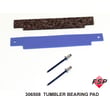
| Loud thumping/squealing | Worn drum support | Roller w/bea 12001541 or dryer drum bearing kit 306508 |
Why it matters
A dryer that is overheating or struggling to heat does more than dry poorly; it accelerates wear on thermostats, fuses, and drum support parts. Keeping airflow clear and addressing early symptoms is the most reliable way to get the full 10 to 15 years.
Last updated: January 2026





