Installation guide
 Owner’s manual
 Error Codes
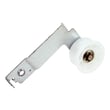


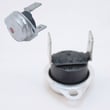
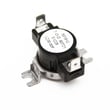
How do I know if my Kenmore dryer thermal fuse is blown?
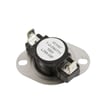
A blown thermal fuse on Kenmore dryer model 40289032011 typically causes the dryer to not start, or to run with no heat. The reliable way to confirm is a continuity test with a multimeter after unplugging the dryer; no continuity means the fuse is blown.
Common signs before you test
- Dryer will not start even though the control panel lights up
- Drum tumbles but there is no heat (on some versions)
- Long dry times with weak airflow at the outside vent hood
- Dryer cabinet feels unusually hot
- Problem returns soon after a fuse replacement (airflow issue not corrected)
How we test the thermal fuse (continuity)
- Unplug the dryer (or turn off the breaker). For gas models, close the gas shutoff valve.
- Access the fuse (commonly on the blower housing or exhaust duct area).
- Remove at least one wire from the fuse terminal.
- Set the meter to continuity or ohms.
- Probe the two terminals.
| Meter result | What it means |
|---|---|
| Beep or near 0 ohms | Fuse is good |
| No beep, OL, or infinite resistance | Fuse is blown |
For panel access and disassembly details specific to this dryer, use the 40289032011 owner's manual.
Fix the cause so it does not blow again
A thermal fuse opens when the dryer overheats; restricted venting is the most common reason.
- Use rigid or semi-rigid metal duct (not vinyl or foil)
- Keep the transition duct short and straight
- Clean lint from the full vent run and outside hood
- Confirm the outside damper opens freely
The venting checks and heater check steps are outlined in the installation guide.
Why it matters
If airflow stays restricted, the dryer overheats again, dry times increase, and the replacement fuse can fail quickly.
Last updated: February 2026
How do I tell what model my Kenmore dryer is?
Your Kenmore dryer’s model number is printed on the appliance ID label; for Kenmore model 40289032011, check the label inside the door opening first, then check the back panel. Once you have the full model number, we can match the correct parts, diagrams, and specifications.
Where to look for the model number label
Most Kenmore dryers place the model/serial label in one of these spots:
- Inside the dryer door opening on the cabinet frame
- On the back panel of the dryer cabinet
- Near the lint screen housing (check the area around the lint filter opening)
- On the side panel near the front edge (less common)
If the label is worn, use a flashlight and take a close-up photo; even a few missing characters can lead to the wrong parts.
What the model number looks like (and why it matters)
Kenmore model numbers are usually all numbers or a mix of numbers and letters. The full model number is what we use to ensure the right fit for items like a heating element, thermistor, belt, or door parts.
| What you find | What it’s used for | Example |
|---|---|---|
| Model number | Identifies the exact dryer design | 40289032011 |
| Serial number | Identifies the production unit | Varies |
| Prefix (first 3 digits, if present) | Often indicates the original manufacturer family | 110, 796, etc. |
For model-specific label locations and identification details, use the 40289032011 owner's manual.
Quick tips to avoid ordering the wrong part
- Write the model number exactly as shown (include all digits and any letters)
- Confirm you are reading the model number, not the serial number
- Match the model number on the dryer, not the number on a pedestal or stacking kit
- If you are troubleshooting heat or airflow, verify venting and setup steps in the installation guide
Why it matters
Kenmore dryers can look similar across multiple model families, but internal components and wiring can differ. Using the exact model number helps us select the correct replacement parts and the right repair instructions the first time.
Last updated: February 2026
How much does it cost to replace a heating element in a Kenmore dryer?
For Kenmore dryer model 40289032011, replacing the heating element typically costs $100 to $350 total when you include parts and professional labor. If you do the repair yourself, the part cost is usually $20 to $200+, depending on whether you replace a bare element or a complete heater assembly.
Typical cost breakdown
| Cost item | Typical range | Notes |
|---|---|---|
| Heating element part | $20 to $200+ | Assemblies cost more than a bare element |
| Service call + labor | $80 to $200 | Varies by area and access |
| Total installed cost | $100 to $350 | Most common overall range |
What changes the price the most
- Electric vs. gas dryer: Electric models use a heating element; gas models heat with an igniter, gas valve, and sensors.
- Assembly vs. element-only: A complete heater housing/assembly costs more but can reduce install time.
- Why the old part failed: A clogged vent can overheat the heater circuit and damage thermostats or thermal cut-offs.
- Extra parts needed: High-limit thermostat, thermal cut-off, or wiring repairs can add cost.
- DIY vs. pro repair: Labor is the biggest difference.
Before you buy a heating element
A “no heat” complaint is often caused by airflow or safety cut-offs, not the element itself.
- Clean the lint screen and check airflow at the outside hood
- Inspect the venting; use rigid or semi-rigid metal duct (avoid vinyl or foil)
- Run the built-in heater check steps in the 40289032011 installation guide
- If heat is still missing, follow the troubleshooting section in the 40289032011 owner’s manual
Why it matters
Poor venting makes the dryer run hotter and longer, which can trip thermal cut-offs and shorten the life of the heating system. Fixing airflow first helps the new heater last and improves drying performance.
Last updated: February 2026
How to hard reset a Kenmore dryer?
To hard reset your Kenmore dryer model 40289032011, disconnect power to fully clear the control board, then restore power and restart a cycle. This reset fixes many “won’t start,” “won’t heat,” and control glitches without replacing parts.
Hard reset steps (safe and effective)
- Turn the dryer OFF.
- Unplug the power cord from the outlet (preferred).
- If you cannot reach the plug, switch the dryer circuit breaker OFF.
- Wait 1 to 5 minutes to let the control fully discharge.
- Restore power (plug back in or turn breaker ON).
- Select a cycle and press Start/Pause.
For model-specific control behavior and cycle selection details, follow the 40289032011 owner's manual.
If the reset does not help
A hard reset clears temporary electronic issues; it will not fix a failed heating or safety component. Check these common causes next:
- Door not latching or door switch not engaging
- Tripped house breaker (dryer may run but not heat on some setups)
- Restricted venting causing overheating and shutdowns
- Overheat safety device open (thermal cut-off or high-limit thermostat)
- Heating system fault (electric element or gas ignition components)
If you suspect an overheat condition, correct venting first. The installation instructions specify using rigid or semi-rigid metal duct and avoiding vinyl or foil duct; they also emphasize keeping the run within the vent-length chart and ensuring the outside hood damper moves freely. See the 40289032011 installation guide.
Quick “what to check” table
| Symptom after reset | Most likely area | What to do first |
|---|---|---|
| Dryer won’t start | Power, door switch, control | Confirm outlet power, close door firmly, retry Start |
| Runs but no heat | Heating circuit or gas ignition | Run a heated cycle and verify heat after 1 to 2 minutes |
| Stops mid-cycle | Venting or overheat protection | Clean lint screen, check vent and outside hood |
Why it matters
A hard reset is the fastest way to clear a locked-up control and avoid unnecessary part replacement. If the dryer overheated due to poor airflow, fixing the venting prevents repeat shutdowns and protects heating components.
Last updated: February 2026
Is it worth replacing the heating element in a dryer?
Yes, it’s usually worth replacing the heating element in your Kenmore dryer model 40289032011 when the dryer is otherwise in good shape and you’ve confirmed a true “no-heat” failure. It’s typically not worth it when the dryer has multiple major issues (motor, drum support, controls) or chronic venting problems.
Quick decision checklist
- Confirm the dryer is getting proper power (electric models need full 240V; gas models need 120V plus gas supply)
- Verify airflow first; a restricted vent can mimic heating problems and can overheat safety thermostats
- Run the built-in heat check described in the installation guide
- If the dryer tumbles normally but never heats, suspect the heater circuit (element, thermal cut-off, high-limit thermostat)
- If the dryer is noisy, slow to start, or not tumbling, fix those issues first before investing in heat parts
What to check before you buy a heating element
The installation instructions for this dryer family include a “heater check” after setup: start a heated cycle (such as Normal) and check for heat after about a minute; if you don’t feel heat after about 2 minutes, use the troubleshooting section in the 40289032011 owner’s manual.
Also check venting basics (these are installation-critical and affect heating performance):
- Use rigid or semi-rigid metal duct (no vinyl or foil)
- Keep the transition as short as possible
- Make sure the outside hood damper moves freely
- Remove lint buildup in the duct and hood
Typical cost logic (repair vs replace)
| Situation | Usually worth replacing the element? | Why |
|---|---|---|
| Dryer heats poorly but vent is restricted | No (fix vent first) | Overheating trips safety parts and shortens element life |
| Dryer tumbles, has good airflow, no heat | Yes | Heating circuit repair is straightforward |
| Dryer has no heat plus other major failures | No | Costs stack quickly |
Parts that commonly fail with “no heat”
In addition to the heating element, these parts often test bad in the same symptom set:
- Dryer thermal cut-off thermostat DC47-00016A
- Dryer high-limit thermostat DC47-00018A
- Dryer thermistor (temperature sensing)
Why it matters
A correct diagnosis saves money and prevents repeat failures. Venting problems can cause overheating that repeatedly blows thermal cut-offs or damages the heater circuit, so airflow checks are part of a “worth it” decision.
Last updated: February 2026
What are common problems with Kenmore dryers?
Common problems we see with Kenmore dryers like model 40289032011 include no heat, long dry times, the drum not turning, and loud squealing or thumping. Most of these issues trace back to restricted venting, worn drum support parts, or failed heating and safety components.
Most common symptoms and what usually causes them
- Dryer runs but won’t heat: failed heating circuit parts (thermal cut-off, high-limit thermostat, thermistor, heating element) or poor airflow causing overheating shutdowns
- Long drying times: lint buildup in the lint screen, blower housing, or exhaust duct; crushed or overly long vent runs
- Drum won’t turn: worn or broken belt, seized drum rollers, or a failing drive motor
- Loud noise (squeal, rumble, thump): worn drum support roller(s), damaged belt, or a loose blower wheel
- Stops mid-cycle or won’t start: overheating from blocked venting, door switch/strike alignment issues, or motor problems
Venting and airflow checks (the fastest “fix” for many complaints)
Your installation instructions call out that the exhaust duct must be in good condition, clear of lint, and made from rigid or semi-rigid metal (not vinyl or foil). Use these quick checks:
- Clean the lint screen before every load
- Inspect the outside hood; confirm the damper opens freely
- Check for crushed ducting behind the dryer
- Keep the transition duct as short as possible
- If dry times are long, clean the full vent run end-to-end
Common parts that often solve these problems
| Symptom | Parts that commonly fail | Example part from this model’s parts list |
|---|---|---|
| No heat / overheating shutdown | thermal cut-off, high-limit thermostat, thermistor, heating element | Dryer thermal cut-off thermostat DC47-00016A |
| Drum not turning | belt, roller(s), motor | Dryer drum belt 6602-001655; roller DC97-07523B |
| Loud rumbling/squeal | roller(s), belt, blower wheel | Dryer blower wheel DC67-00180B |
Why it matters
A restricted vent can cause long dry times, overheating, and repeated failure of safety thermostats and thermal cut-offs. Fixing airflow first often prevents repeat repairs and helps the dryer dry faster with less wear.
For model-specific operating checks and troubleshooting steps, follow the 40289032011 installation guide and the troubleshooting section in the 40289032011 owner’s manual.
Last updated: February 2026
What does F40 mean on a Kenmore Elite dryer?
On the Kenmore dryer model 40289032011, the F40 code points to a control communication problem (the main control is not reliably “talking” to a motor or drive-related control circuit). The most common fixes are restoring wiring connections and correcting overheating or power issues that can trigger the fault.
Quick checks we recommend first
- Unplug the dryer (or switch off the breaker) for 2 minutes, then restore power and retry a cycle.
- Confirm the door is fully closed and the cycle actually starts (not just powers on).
- Check the terminal block and power cord connections for looseness or heat damage (electric models).
- For gas models, confirm the dryer is plugged into a grounded 120 VAC outlet and the gas shutoff is open.
- If the code returns immediately, focus on wiring harness connections and heat-related safeties.
Overheating and airflow issues that can contribute
Restricted venting can overheat the dryer and lead to shutdowns and error conditions. Your installation instructions call for rigid or semi-rigid metal ducting (not vinyl or foil), a short transition, and a clear outside hood.
Airflow checklist
- Clean the lint screen and lint screen housing.
- Inspect the vent duct for crushing, kinks, or heavy lint buildup.
- Verify the outside damper opens freely and is not blocked.
- Keep the duct run as short and straight as possible.
| What we check | Why it matters | What “good” looks like |
|---|---|---|
| Vent material | Prevents heat and lint problems | Rigid or semi-rigid metal duct |
| Outside hood | Ensures proper exhaust | Damper opens, no lint blockage |
| Duct condition | Prevents overheating | Clean, not damaged or crushed |
Parts that commonly relate to heat or motor symptoms
If the dryer is overheating, not heating correctly, or stopping mid-cycle, these model-compatible parts are common suspects during diagnosis:
- Dryer thermistor DC32-00007A
- Dryer thermal cut-off thermostat DC47-00016A
- Dryer drive motor DC31-00055H
Where to confirm model-specific steps
For the exact diagnostic flow, wiring checks, and any model-specific reset or test procedures, follow the troubleshooting guidance in the 40289032011 owner's manual. For venting, power cord, and gas hookup requirements, use the 40289032011 installation guide.
Why it matters
An F40 condition can be a simple loose connection, but it can also be a warning sign of overheating or a failing motor/control circuit. Correcting airflow and verifying safe electrical connections helps prevent repeat shutdowns and protects key components like the heater circuit and motor.
Last updated: February 2026
What is the average life of a Kenmore dryer?
Most Kenmore dryers, including model 40289032011, typically last about 13 years with normal household use. Consistent airflow maintenance (lint screen and venting) is the biggest factor in reaching that lifespan and avoiding overheating-related failures.
Typical lifespan and what affects it
A dryer’s life depends more on heat and airflow stress than on brand name alone.
- Average lifespan: ~13 years
- Heavy use (large households): often shorter
- Light use and strong venting: often longer
- Poor venting or lint buildup: shortens life quickly
- Overheating events: can damage thermostats, fuses, and the heating system
Maintenance that adds years (high impact)
We recommend these habits for Kenmore 40289032011 to reduce wear on the drive system, heater, and safety controls.
- Clean the lint screen after every load
- Keep the exhaust run short and smooth; long runs increase drying time and heat stress
- Use rigid or semi-rigid metal duct, not vinyl or foil (per the installation guide)
- Check the outside hood damper for free movement and lint blockage
- Vacuum lint from the blower housing and cabinet periodically (unplug power first)
Quick “symptom to check” table
| What you notice | What it often means | What to do first |
|---|---|---|
| Clothes take too long to dry | Restricted venting or lint buildup | Clean vent path and outside hood |
| Dryer shuts off mid-cycle | Overheating from poor airflow | Inspect ducting, then test thermostats/fuses |
| Loud thumping or squeal | Worn drum support parts | Inspect drum supports and belt |
Why it matters
A clogged vent makes the dryer run hotter and longer, which accelerates wear on key components like the heating element, high-limit thermostat, and thermal cut-off devices. The installation instructions for this model emphasize keeping venting within allowed lengths and using proper metal ducting for best results.
Last updated: February 2026
Where is the part number on a Kenmore dryer?
On Kenmore dryer model 40289032011, the model and serial information (used to identify the correct parts) is typically on a rating label just inside the dryer door opening on the cabinet frame. Use that label when ordering parts and checking specifications in the 40289032011 owner's manual.
Where to look first (fast checklist)
- Open the dryer door and inspect the cabinet frame around the opening
- Check the door opening near the lint screen housing area
- Look along the inside edge of the front panel (left and right sides)
- If you do not see it, check the back panel near the power cord entry
- Write down the full model number and serial number exactly as shown
What you will see on the label
Most Kenmore dryers use a single rating label that includes the key identifiers you need for parts lookup.
| Label item | What it’s used for | Example (what to copy) |
|---|---|---|
| Model number | Matches the correct parts list | 40289032011 |
| Serial number | Helps confirm production version | Letters and numbers |
| Electrical rating | Confirms power requirements | Volts/amps/Hz |
Why it matters
Kenmore dryers can have multiple versions that look similar, and small differences affect fit and wiring. Using the exact model number from the rating label helps us match the correct drum belt, heating parts, thermostats, and door components for your dryer.
Helpful tip when ordering parts
- Use the model number from the label, not the number printed on the control panel
- If you’re troubleshooting an error display, use our Kenmore 110 series electronic control model dryer error codes guide to narrow the failure before buying parts
Last updated: February 2026