Owner’s manual



What is the average lifespan of a Samsung washing machine?
Samsung washing machines typically last 10 to 14 years with normal household use. For your Samsung WF337AAR washer, the exact lifespan is driven more by usage, installation, and maintenance than by a published model-specific number; following the care steps in the WF337AAR/XAA-00 washer manual helps you reach that typical range.
What affects lifespan the most
- Load size and frequency: frequent heavy loads shorten life faster than mixed, properly sized loads.
- Leveling and vibration control: an unlevel washer stresses the tub, bearings, and suspension.
- Detergent habits: too much HE detergent can cause residue, odors, and drain issues.
- Moisture control: leaving the door closed traps humidity and can lead to mold and boot wear.
- Water quality: hard water can increase scale and valve wear.
Common wear items as washers age
These are the parts and systems we most often see needing attention as a front-load washer gets older:
- Drain pump and drain path (slow drain, standing water)
- Door boot and door seal area (leaks, odors)
- Shock absorbers and suspension (banging, walking)
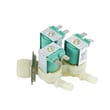
- Water inlet valves (slow fill, fill errors)
- Main control or user interface (intermittent operation)
Maintenance schedule that helps you hit 10 to 14 years
| Task | How often | Why it matters |
|---|---|---|
| Run a tub-clean cycle | Monthly | Reduces residue and odor that can strain draining and sealing |
| Clean the drain pump filter (if equipped) | Every 1 to 3 months | Prevents clogs that overwork the drain pump |
| Wipe the door boot and leave door ajar | Weekly | Helps prevent mold and premature seal wear |
| Check leveling and tighten feet | Every 6 months | Reduces vibration-related wear |
For odor and mold prevention habits that fit front-loaders like the WF337AAR, use our how to get rid of mold in a front load washer guide.
Why it matters
A washer that is maintained and kept level usually fails later and more predictably, which can mean a simpler repair (like a drain pump or inlet valve) instead of major wear (like tub or bearing issues).
Last updated: January 2026
Does a Samsung washer have a filter that needs to be cleaned?
Yes. The Samsung WF337AAR washer is a front-load model that uses a drain pump debris filter (often called a pump filter) to catch lint, coins, and small items; cleaning it helps the washer drain properly and reduces odors. For the exact access steps for your unit, use the WF337AAR user manual.
What filters you may need to clean on WF337AAR
On this model, the most common maintenance points are:
- Drain pump debris filter: traps small objects and lint before the drain pump
- Water inlet hose screens: small mesh screens at the hot and cold inlet valve connections
- Door boot area: not a “filter,” but it can collect hair, lint, and residue that cause smells
Quick cleaning checklist (safe, typical steps)
- Unplug the washer.
- Place a shallow pan and towels near the lower front area.
- Open the filter access area (location varies by version); drain any remaining water slowly.
- Remove the debris filter and rinse it; clear the filter housing of lint and objects.
- Reinstall the filter snugly, then run a rinse and spin or a short cycle to confirm normal draining.
How often should you clean it?
Use this as a practical schedule:
| Usage pattern | Debris filter cleaning | Inlet screen check |
|---|---|---|
| Heavy use (daily loads, pets) | Monthly | Every 6 months |
| Average use | Every 2 to 3 months | Yearly |
| After a drain problem | Immediately | As needed |
Why it matters
A clogged debris filter can restrict water flow to the drain pump, which can lead to slow draining, standing water, musty odors, and drain-related error codes. If you are seeing a drain error, our Samsung front load washer nd error code guide can help you narrow down the cause.
Last updated: January 2026
What is the most common problem with the Samsung washing machine?
For the Samsung WF337AAR, the most common service issues we see are drain-related failures (won’t drain, long drain times, or “ND”-type drain errors) and out-of-balance spinning (excessive vibration, stopping mid-cycle). These are often caused by a clogged drain pump filter, a restricted drain hose, or an unbalanced load.
Quick checks that fix many “common problems”
- Clean the drain pump filter and remove coins, lint, and debris.
- Check the drain hose for kinks, clogs, or an overly deep standpipe insertion.
- Redistribute the load; wash bulky items (blankets, towels) in smaller loads.
- Confirm the washer is level and all feet are firmly on the floor.
- Use the correct detergent type and amount (too much suds can mimic drain issues).
For model-specific access steps and cautions, follow the procedure in the WF337AAR use & care manual.
Symptoms and likely causes (front-load Samsung)
| What you notice | Most likely cause | What to do first |
|---|---|---|
| Water left in tub, cycle ends early | Clogged pump filter or restricted drain path | Clean filter; inspect hose |
| Loud vibration or “walking” in spin | Unbalanced load or washer not level | Rebalance; level the cabinet |
| Stops mid-cycle with an error code | Drain, fill, or balance condition detected | Note code; correct the condition |
| Slow drain but pump runs | Partial blockage in hose/pump | Clear restriction |
When it’s more than maintenance
If the WF337AAR still will not drain or spin after the checks above, common repair paths include diagnosing the drain pump, door lock, motor control, or main control board. We recommend unplugging the washer before any internal inspection.
Helpful DIY references
- Use our Samsung front load washer nd error code guide when the washer reports a drain problem.
- If you’re seeing balance-related codes, our Samsung front load washer dc error code article can help you narrow down load and suspension-related causes.
Why it matters
Drain and balance problems can stop the cycle to protect the motor and prevent leaks. Catching a clogged filter or leveling issue early helps avoid repeat errors, wet laundry, and unnecessary part replacement.
Last updated: January 2026