 Installation guide
 Owner’s manual
 Error Codes


How do I know what series Kenmore dryer I have?
For Kenmore dryers, the “series” is usually identified by the first three digits of your model number. For your dryer, the model number is 11075102311, so it’s a Kenmore 110 series gas dryer; the full model tag is typically found on the cabinet opening behind the door.
Where to find the model number on Kenmore 11075102311
Check these common locations first:
- On the cabinet frame just inside the door opening (most common)
- Behind the lint screen housing area (on some designs)
- On the back panel label
- In your paperwork, such as the owner's manual
How to decode the “series” from the model number
Kenmore model numbers are long because they identify the platform and the exact configuration. A simple way to talk about “series” is:
- Series: first 3 digits (example: 110)
- Full model: all digits (example: 11075102311)
| What you need | Example for your dryer | What it tells you |
|---|---|---|
| Series | 110 | The Kenmore platform family (commonly Whirlpool-built) |
| Full model number | 11075102311 | The exact version used to match parts and manuals |
Why the exact model number matters for parts
When you order parts or troubleshoot, the full model number prevents mismatches in fit and wiring. For example, a common maintenance item like the belt 341241 must match the exact drum and idler setup used on your specific build.
Quick tip for ordering and troubleshooting
Use the full model number 11075102311 when you:
- Look up diagrams and part lists
- Match electrical parts like a timer or control board
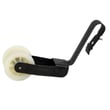
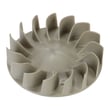
- Replace wear items (belt, idler pulley, blower wheel)
- Confirm gas dryer components (igniter, gas valve)
Last updated: February 2026
How much does it cost to replace a heating element in a Kenmore dryer?
For a Kenmore dryer, replacing a heating element typically runs about $120 to $350 total when you include the part plus labor. If you do it yourself, the part is usually about $20 to $120, depending on whether you’re buying just the element or a larger heater assembly; confirm the correct procedure in the 11075102311 installation guide.
Typical cost breakdown
- DIY part only: $20 to $120
- Service call and labor: $100 to $250 (varies by area and access)
- Total installed cost (common range): $120 to $350
- Extra costs (sometimes): vent cleaning, clamps, or damaged wiring repair
| Scenario | What you pay for | Typical total |
|---|---|---|
| DIY replacement | Heating element only | $20 to $120 |
| Pro replacement | Part + labor | $120 to $350 |
| Pro plus airflow fix | Part + labor + vent service | $170 to $450 |
What changes the price the most
- Dryer type: Electric dryers use a heating element; gas dryers (like Kenmore model 11075102311) heat with a burner system, so “no heat” repairs often involve ignition or flame-sensing parts instead of an electric element.
- Access time: Stacked installs, tight closets, or long vent runs increase labor.
- Root cause: Poor airflow can overheat components and cause repeat failures.
If your Kenmore 11075102311 is not heating (common gas-dryer parts)
For this gas dryer, these parts are common “no heat” suspects:
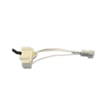
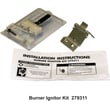
- Igniter 279311 (won’t glow or won’t light gas)
- Dryer radiant sensor WP338906 (fails to detect flame)
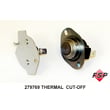
- Dryer operating thermostat WP3387134 (temperature control issues)
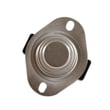
- Dryer high-limit thermostat W11050897 (opens on overheating)
Why it matters
Pricing is driven by diagnosing the correct heat system. On a gas dryer, replacing an electric “heating element” is not the fix; targeting the igniter, sensor, thermostats, or airflow problem prevents wasted parts and repeat service.
Last updated: February 2026
What is the average lifespan of 11075102311?
A Kenmore gas dryer like model 11075102311 typically lasts 13 years with normal household use. Regular vent cleaning, lint screen care, and replacing wear items (belt, rollers, thermostats) on time are what most directly determine whether it reaches that lifespan.
What affects lifespan the most
- Airflow and venting: Clean the lint screen before every load and keep the vent system clear.
- Overheating prevention: Restricted venting shortens the life of the burner system and safety thermostats.
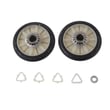
- Wear parts: Drum support rollers, idler pulley, and the drive belt wear gradually and can be replaced.
- Load habits: Frequent overloading strains the drive motor and drum support system.
- Moisture-sensing cycles: Using Auto Dry helps prevent over-drying and heat stress.
Maintenance schedule we recommend
| Task | How often | Why it matters |
|---|---|---|
| Clean lint screen | Every load | Maintains airflow and drying performance |
| Clean vent and exhaust hood | At least every 2 years | Reduces heat buildup and drying time |
| Check vent material and bends | When performance drops | Short, rigid 4-inch venting improves airflow |
| Inspect drum support noise | As needed | Catch roller or idler wear before it damages the drum |
Common “end-of-life” symptoms (and what they usually mean)
- Long dry times: Vent restriction, blower wheel issue, or thermostat cycling problems.
- Squealing or thumping: Worn rollers, idler pulley, or belt.
- No heat: Igniter, gas valve coils, radiant sensor, or high-limit thermostat.
- Won’t start: Door switch, timer, or control board.
Parts that commonly extend the life of this dryer
If your 11075102311 is otherwise in good shape, replacing wear parts is often the difference between a quick fix and replacing the dryer:
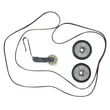
- Dryer repair kit 4392065 (common wear items in one kit)
- Belt 341241 (drum drive belt)
- Dryer operating thermostat WP3387134 (temperature regulation)
Why it matters
A dryer that is kept vented correctly runs cooler, dries faster, and puts less stress on the gas burner and safety controls. The Use and Care details in the owner's manual are the best reference for the exact maintenance steps and cycle guidance for this Kenmore model.
Last updated: March 2026








