Owner’s manual
 View engine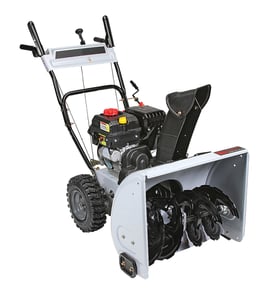




How many years should a snowblower last?
A gas snowblower like Craftsman model 247881900 should last 15 to 20 years with normal residential use and consistent maintenance. Lifespan drops faster when the machine is stored with fuel in the system, run low on oil, or regularly pushed through heavy, wet snow.
- Fuel care: using fresh fuel and preventing stale fuel buildup in the carburetor
- Oil changes: keeping oil at the correct level and changing it on schedule
- Shear pin protection: replacing sheared pins promptly after an impact
- Belt condition: replacing worn belts before they slip, overheat, or shred
- Storage habits: off-season storage that prevents rust and fuel-system varnish
For model-specific maintenance intervals and storage steps, follow the 247881900 operator's manual.
| Snowblower type | Typical lifespan | Notes |
|---|---|---|
| Gas (2-stage like 247881900) | 15 to 20 years | Most durable when maintained and stored correctly |
| Electric corded | 10 to 15 years | Fewer engine issues; motor and controls are the wear points |
| Battery | 8 to 12 years | Tool can last longer; battery packs often need replacement sooner |
If your Craftsman 247881900 still starts reliably and throws snow well, routine wear items are usually worth replacing.
Common wear items to watch:
- Auger drive belt (slipping, squealing, burning rubber smell)
- Friction wheel rubber (unit will not propel consistently)
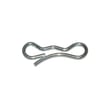
- Shear pins (augers stop turning after hitting ice or debris)
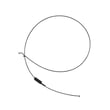
If you are troubleshooting belt slip or loss of auger drive, the belt 256963 is a common replacement part for this model.
A snowblower that is maintained to spec clears snow faster, starts easier in cold weather, and avoids expensive secondary damage (like belt debris damaging pulleys or running the drive system while slipping).
Last updated: January 2026
How can I tell how old my Craftsman snowblower is?
To estimate the age of your Craftsman gas snow blower model 247881900, we use the model and serial number from the unit’s ID label, then decode the serial format used on that label. Your operator’s paperwork can also narrow the timeframe; see the 247881900 operator’s manual for model identification fields and documentation details.
On Craftsman snow throwers like 247881900, the ID label is typically on the rear of the frame or on the main housing where it stays readable but protected.
- Look for a sticker or metal tag on the back of the unit frame
- Check near the handle support area or rear panel
- Wipe off packed snow, salt residue, and grime so every character is readable
- Write the serial number exactly as shown (letters and numbers)
- If the engine has its own tag, record that too (engine date codes can differ from the snowblower’s model tag)
Craftsman snowblower serial formats vary by production run, so we decode based on the pattern you have. A common format uses early characters to represent a build date.
| What you see in the serial | What it often indicates | What to do |
|---|---|---|
| First 2 digits look like 01-12 | Month | Treat as build month |
| Next 2 digits look like 01-31 | Day | Treat as build day |
| Next digit(s) look like a year code | Year | Map to a likely year (example: 9 = 2009, 0 = 2010) |
For model 247881900, the operator’s manual shows a printed form number/date (for example, 7/5/2007 appears in the manual text). That date is the manual’s publication/revision date, not a guaranteed build date for your exact machine, but it helps confirm the era.
- Manual date helps establish the model’s timeframe
- Serial number decoding helps estimate the unit’s build date
- Engine tag date can help confirm the engine’s production window
Knowing the approximate age helps us match the right Craftsman parts, confirm compatible maintenance items (like belts and shear pins), and avoid ordering a look-alike part for a different production run.
Last updated: January 2026
Should I use 87 or 91 for snowblower?
For the Craftsman 247881900 gas snow blower, we recommend using clean, fresh, unleaded gasoline; 87 octane is the right choice for normal operation, and 91 octane is not required. More important than octane is avoiding stale fuel and limiting ethanol content for easier starting and fewer fuel-system issues (see the fuel guidance in the 247881900 operator's manual).
- Use 87 octane regular unleaded for everyday use.
- Buy fuel in small quantities and use it within about 30 days to reduce stale-fuel problems.
- If available, choose ethanol-free fuel; otherwise use E10 (10% ethanol or less).
- Keep the fuel container clean and sealed to prevent water and dirt contamination.
- Fill the tank outdoors and leave a little expansion space (do not top it off to the brim).
Higher octane does not automatically mean “better” for small engines like this one; it mainly changes knock resistance, not cleanliness or power.
| Fuel choice | OK to use? | What you’ll notice |
|---|---|---|
| 87 octane (regular) | Yes (recommended) | Normal performance and starting when fuel is fresh |
| 91 octane (premium) | Yes (optional) | Usually no benefit unless it is ethanol-free and your 87 is not |
Most snowblower starting and running complaints come from stale fuel, water in fuel, or ethanol-related storage issues, not from using 87 instead of 91. Using the correct fuel helps protect the carburetor, fuel lines, and seals, and it reduces hard-start problems in cold weather.
Follow the storage steps in the 247881900 operator's manual. In general, either:
- Treat fresh fuel with stabilizer and run the engine briefly to circulate it, or
- Run the engine until it stops from lack of fuel for longer storage.
Last updated: January 2026
Can I use 5W30 instead of SAE 30 in my snowblower?
Yes. For the Craftsman 247881900 gas snow blower, the operator’s manual specifies SAE 5W-30 engine oil, so using 5W-30 is the correct choice; SAE 30 is typically a warm-weather oil and can make cold starting harder.
We follow the model-specific spec in the 247881900 operator’s manual. It lists:
- Engine oil type: SAE 5W-30
- Oil quality: 5W-30 with a minimum classification of SL/SJ
- Oil capacity: the manual references 26 oz in the specs section and 21 oz in the oil-change section (fill to the dipstick “FULL” mark)
Here’s the practical difference for a snowblower engine:
- 5W-30 flows better in cold weather, so recoil and electric starts are easier
- SAE 30 is thicker when cold, which can cause hard starting and poor lubrication at startup
- Once warm, both can protect well, but snowblowers often run cold for much of their use
| Oil | Best use case | Cold starting | Typical snowblower fit |
|---|---|---|---|
| 5W-30 | Cold weather operation | Better | Recommended for 247881900 |
| SAE 30 | Warmer temperatures | Worse | Not ideal for winter use |
Because the manual shows two different ounce figures, we recommend filling by the dipstick level:
- Park the machine level and let the engine cool a few minutes
- Add oil slowly, then recheck the dipstick
- Stop when the oil reaches the FULL mark (do not overfill)
- Wipe up spills before starting
Correct viscosity helps protect the crankshaft and bearings during cold starts, reduces wear, and improves starting reliability in freezing temperatures.
Last updated: January 2026