




How much horsepower does a Tecumseh LH318SA-156587H have?
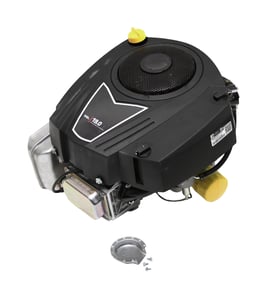
The Tecumseh LH318SA-156587H is commonly listed as a 9 horsepower (HP) horizontal-shaft engine in the LH318SA family. For the most accurate match, confirm the engine’s spec label and compare it to the parts breakdown for LH318SA-156587H.
Quick ways to confirm the HP on your exact engine
- Check the engine shroud or valve cover for a spec/ID label (often includes model and spec numbers).
- Match your carburetor and linkage style to the LH318SA-156587H parts list.
- Verify the shaft size and mounting pattern match your application.
- If the engine runs poorly, fix tune-up issues first; low power can mimic “wrong HP.”
Parts that affect power and performance
If your engine feels weak, hunts, or won’t reach full RPM, these common service parts can make a big difference:
- Craftsman lawn & garden equipment engine air filter 28424 (restricted airflow reduces power)
- Carburetor 640349 (fuel metering issues cause surging and low power)
- Needle seat 631021B (fuel flooding or starvation can reduce output)
- Craftsman lawn & garden equipment engine carburetor o-ring 632547 (air leaks lean out the mixture)
- Craftsman lawn & garden equipment engine governor linkage 34667 (governor control affects RPM under load)
What “9 HP” means in real use
Horsepower is a rating at a specific RPM and test condition. In the field, power can drop quickly if the air filter is dirty, the carburetor is varnished, or the governor linkage is bent.
Symptom-to-check table
| Symptom | Most likely area to check first | Example part to inspect |
|---|---|---|
| Surging at steady throttle | Carburetor, air leak | Carburetor 640349, carburetor O-ring 632547 |
| Black smoke, fuel smell | Flooding, needle/seat | Needle seat 631021B |
| Low RPM under load | Governor linkage, carburetion | Governor linkage 34667 |
| Hard starting, poor power | Air restriction | Air filter 28424 |
Why it matters
Using the correct HP rating helps you choose compatible replacement parts (carburetor, governor linkage, starter) and prevents performance problems caused by mismatched engine setups.
Last updated: January 2026
What kind of oil does a Tecumseh LH318SA-156587H take?
For the Tecumseh LH318SA-156587H lawn and garden engine, we use SAE 30 engine oil for typical warm-weather operation; in colder conditions, many Tecumseh small engines run better on 5W-30 for easier starting and faster lubrication.
Recommended oil type by temperature
Use the oil weight that matches your operating temperature range:
- Above 40°F: SAE 30 is the common choice
- 0°F to 40°F: 5W-30 is a common cold-weather option
- Below 0°F: 5W-30 is typically preferred for starting and protection
Oil change basics (what we do)
These steps fit most Tecumseh small engines like the LH318SA-156587H:
- Shut the engine off and let it cool; disconnect the spark plug wire
- Drain oil into an approved container (warm oil drains faster)
- Reinstall the drain plug securely (do not overtighten)
- Refill slowly, then recheck the level and top off as needed
- Wipe spills and check for leaks after the first run
Quick comparison table
| Condition | Oil to use | Why it helps |
|---|---|---|
| Warm weather mowing | SAE 30 | Stable viscosity at higher temps |
| Cold starts | 5W-30 | Easier cranking, faster oil flow |
| Mixed temps | 5W-30 | Better all-around starting and protection |
Why it matters
Using the right oil viscosity helps the LH318SA-156587H start easier, reduces wear on internal engine parts, and can prevent smoking or rough running caused by oil that is too thick or too thin for the temperature.
Parts that often get checked during oil-related service
If the engine runs poorly after an oil change, we commonly inspect fuel and air items too:
- Craftsman lawn & garden equipment engine air filter 28424 (restricted airflow can mimic engine issues)
- Lawn & garden equipment engine fuel tank cap 37845 (a plugged vent can cause fuel starvation)
- Needle seat 631021B (fuel metering problems can look like “engine trouble”)
Last updated: January 2026
Why are Tecumseh engines so hard to start?
Tecumseh engines like model LH318SA-156587H usually get hard to start when fuel and air delivery are restricted (varnished carburetor, dirty air filter, blocked tank vent) or ignition is weak (fouled plug, poor spark). Fixing the fuel system first solves most “won’t start” complaints.
Most common causes (and what to check first)
- Old fuel or ethanol varnish clogging carburetor passages.
- Restricted airflow from a dirty craftsman lawn & garden equipment engine air filter 28424.
- Fuel cap vent blocked; loosening the cap briefly changes starting behavior (a clue the vent is plugged). Consider replacing the lawn & garden equipment engine fuel tank cap 37845.
- Carburetor leaks from hardened seals; replace the craftsman lawn & garden equipment engine carburetor o-ring 632547 and any disturbed gaskets.
- Carburetor metering issue (needle not sealing, flooding or starving); the needle seat 631021B is a common wear item.
- Linkage out of position (governor/throttle not opening correctly); inspect the craftsman lawn & garden equipment engine governor linkage 34667 and craftsman lawn & garden equipment engine throttle link 33878.
Quick diagnostic checklist (10 minutes)
- Verify fresh gasoline and correct oil level.
- Remove the air filter; if it is dirty or oil-soaked, replace it.
- Try starting with the fuel cap loosened (do not run that way long-term).
- Check for fuel flow to the carburetor.
- If it starts on a small shot of fuel but dies, focus on carburetor cleaning or replacement.
Repair options compared
| Symptom | Most likely area | Typical fix |
|---|---|---|
| Starts then dies | Carburetor/fuel delivery | Clean carburetor or replace carburetor 640349 |
| Won’t fire at all | Ignition | Check spark plug and ignition module wiring |
| Flooding, fuel smell | Needle/seat | Replace needle seat 631021B |
| Starts only with cap loose | Tank vent | Replace lawn & garden equipment engine fuel tank cap 37845 |
Why it matters
Hard starting usually gets worse over time; repeated pull-start attempts can wash fuel into the cylinder, foul the spark plug, and accelerate carburetor wear. Restoring clean fuel delivery and correct linkage movement brings back reliable cold starts.
Last updated: January 2026