Owner’s manual
 Error Codes



What is the capacity of the DV45H7000GW?
The Samsung DV45H7000GW dryer has a 7.4 cu. ft. capacity (DOE-rated), which is considered a large-capacity drum for handling bulkier loads like comforters and towels with fewer cycles. For cycle and load guidance, use the DV45H7000GW owner's manual.
A 7.4 cu. ft. Samsung dryer typically handles:
- A full mixed load of everyday clothing
- A set of towels (avoid packing them tight)
- Many queen comforters (check the care label and don’t overload)
- Larger items with better tumbling when you keep the drum about 2/3 full
| Load type | Recommended fill level | Why |
|---|---|---|
| Everyday mixed laundry | About 1/2 to 2/3 full | Best airflow and even drying |
| Towels/denim | About 1/2 full | Heavy fabrics need more tumbling room |
| Bulky items (comforter) | Varies; don’t pack tight | Prevents damp spots and overheating |
Capacity is only part of performance. Long dry times are usually airflow or heat related. Check these first:
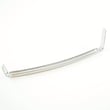
- Clean the lint screen before every load; replace if damaged (see dryer lint screen DC97-16742A)
- Confirm the vent is not crushed, kinked, or excessively long
- Make sure the outside vent hood opens freely
- Avoid overloading; items should tumble freely
- If you’re seeing error codes, use Samsung dryer error codes
Using the right load size for a 7.4 cu. ft. drum helps maintain strong airflow, improves drying results, and reduces strain on key components like the drum belt and support rollers.
Last updated: February 2026
How to find part number for Samsung dryer?
For your Samsung dryer model DV45H7000GW, the fastest way to find the correct part number is to first confirm the model number from the ID label, then match the failed part by name in the parts diagram and list. Use the DV45H7000GW owner's manual to confirm label location and basic identification details.
On most Samsung front-load dryers, the model and serial tag is typically found:
- On the front frame just inside the door opening (behind the door)
- Sometimes on the cabinet back panel as a secondary label
- Occasionally on the side panel edge near the door opening
If the label is worn, take a clear photo and zoom in; one or two characters can change the correct part match.
Use this process to avoid ordering the wrong Samsung part:
- Write down the full model number: DV45H7000GW
- Identify the symptom (no heat, won’t start, squealing, long dry times)
- Find the matching part category (heating, drum, blower, controls)
- Match the part by name and picture in the diagram
- Confirm the manufacturer part number before ordering
These are examples of parts frequently replaced on this model family:
| Symptom | Common part to check | Example part number |
|---|---|---|
| Loud thumping or squealing | Drum support roller | DC97-16782A |
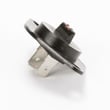
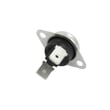
| Dryer won’t heat or overheats | Thermal cut-off thermostat | DC47-00016A |
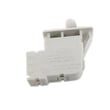
| Dryer won’t start when door closes | Door switch | DC64-00828B |
| Drum not turning | Drum belt | 6602-001655 |
Samsung dryers often have multiple versions that look similar. Confirming the exact model number first helps ensure the part number you choose fits the wiring, mounting points, and control system for DV45H7000GW.
Last updated: February 2026
What are the key features of the DV45H7000GW?
The Samsung DV45H7000GW is a full-size dryer designed for everyday family loads, with multiple cycle and temperature choices plus automatic dryness sensing to help prevent over-drying. For the exact cycle list and option names for your unit, use the DV45H7000GW owner’s manual.
Common DV45H7000GW-SERIES features and controls include:
- Large-capacity drum for bulky items and mixed loads
- Multiple dry cycles (timed and sensor-based)
- Multiple temperature settings to match fabric care needs
- Sensor Dry-style moisture sensing to help stop the cycle when clothes are dry
- Wrinkle reduction option (tumbles after the cycle to reduce creases)
- Smart Care-style diagnostics (model-dependent setup and use)
Because feature names can vary by revision and control panel, we recommend verifying these items in the manual and on the console:
- Cycle names (Normal, Heavy Duty, Delicates, Bedding, etc.)
- Options (wrinkle prevent, damp alert, time adjust, etc.)
- Temperature and dryness level selections
- Any diagnostic or “Smart Care” instructions
| Feature area | Where you’ll see it | Why it matters |
|---|---|---|
| Cycles | Cycle selector knob or buttons | Helps match drying to fabric type |
| Temperature | Temp button/setting | Prevents shrinkage and heat damage |
| Sensor drying | Dryness level + sensor cycles | Reduces over-drying and saves energy |
| Wrinkle reduction | Option button | Cuts wrinkles if you can’t unload right away |
Choosing the right cycle, temperature, and sensor settings helps clothes dry faster, reduces wear on fabrics, and can lower energy use. If drying performance seems off, start with airflow and lint control; a damaged lint screen can also hurt drying results, and the dryer lint screen DC97-16742A is the correct replacement part listed for this model.
Last updated: February 2026
What is the most common problem with Samsung dryers?
The most common Samsung dryer complaint is poor or no heat, which shows up as long dry times or clothes staying damp. On the Samsung DV45H7000GW, the usual causes are restricted airflow (lint or venting) or a failed temperature-sensing or safety thermostat component; see the DV45H7000GW owner's manual for model-specific checks.
- Dryer runs but does not heat
- Dryer heats sometimes, then stops heating mid-cycle
- Cycles take much longer than normal
- Dryer shuts off early (sensor cycles) with damp clothes
- Burning smell or unusually hot cabinet (stop using and correct airflow)
- Clean the lint screen and confirm it is not torn or warped.
- Inspect the vent hose for kinks, crushing, or heavy lint buildup.
- Check the outside vent hood for a stuck flap or blockage.
- Run a timed dry cycle and verify strong airflow at the exterior vent.
- If airflow is weak, fix venting first; overheating can trip safety thermostats.
If airflow is good and the dryer still will not heat, these parts are common suspects on Samsung dryers:
| What it affects | Common part to test/replace | What you may notice |
|---|---|---|
| Temperature sensing | Dryer thermistor DC32-00007A | Heat is erratic, shuts off too soon, or won’t regulate |
| Overheat protection | Dryer thermal cut-off thermostat DC47-00016A | Dryer runs but heat is disabled after overheating |
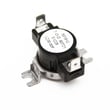
| High-limit safety | Dryer high-limit thermostat DC47-00017A | Heat cuts out, especially with restricted venting |
Poor heating is often caused by airflow restrictions, and that same restriction can overheat the dryer and damage components like thermostats, the blower wheel, or wiring. Fixing venting first prevents repeat failures and improves drying performance.
Last updated: February 2026
How to tell if a Samsung dryer heating element is bad?
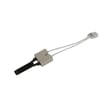
If your Samsung dryer isn’t heating or takes much longer to dry, the heating element is a top suspect. On the Samsung DV45H7000GW, you confirm a bad element by unplugging the dryer, accessing the heater terminals, and checking for proper continuity with a multimeter per the DV45H7000GW owner's manual.
- Dryer runs but produces little or no heat
- Clothes stay damp after a normal cycle
- Burning smell or scorching (stop using the dryer and inspect airflow)
- Breaks or burned spots visible on the heater coil (if accessible)
- Heat cuts in and out during a cycle
- Disconnect power (unplug electric dryer; shut off gas and unplug if gas model).
- Access the heater terminals (rear or front access varies by configuration; follow the manual steps).
- Set the meter to ohms (Ω) or continuity.
- Continuity test: place a probe on each heater terminal.
- Ground fault test: place one probe on a heater terminal and the other on the metal heater housing.
| Test | Normal result | Bad result | What it tells you |
|---|---|---|---|
| Terminal-to-terminal continuity | Continuity present (finite resistance) | No continuity (open circuit) | Coil is broken/open |
| Terminal-to-housing (ground) | No continuity | Continuity present | Element is shorted to ground |
A good element still won’t heat if airflow or safety devices are tripping.
- Clean the lint screen and confirm strong exhaust airflow
- Check the vent for kinks, clogs, or a stuck exterior damper
- Inspect the thermal cut-off and high-limit thermostat for continuity
- If you’re seeing temperature-sensing issues, test the dryer thermistor DC32-00007A
A failed heating element (or a grounded element) can cause no-heat, overheating, or repeated thermal cut-off trips. Fixing the root cause, especially restricted venting, helps the repair last and restores normal drying times.
Last updated: February 2026
What is the average lifespan of a Samsung dryer?
Samsung dryers typically last 10 to 15 years with normal household use. For your Samsung DV45H7000GW, consistent airflow maintenance (lint removal and vent cleaning) and avoiding overloads are the biggest factors that push life toward the high end; see the DV45H7000GW owner's manual for model-specific care guidance.
- Airflow and lint control: clean the lint screen every load; keep the exhaust duct clear.
- Load size: chronic overloading strains the drum belt, rollers, and motor.
- Heat stress: restricted venting can overheat thermostats and sensors.
- Install environment: tight bends, long vent runs, and crushed ducts shorten component life.
- Wear parts: rollers, belt, and blower components naturally wear over time.
| Usage pattern | Typical lifespan | What usually wears first |
|---|---|---|
| Light (1 to 3 loads/week) | 12 to 15 years | Belt, rollers |
| Average (4 to 7 loads/week) | 10 to 13 years | Rollers, belt, thermostats |
| Heavy (8+ loads/week) | 8 to 11 years | Motor, rollers, heat controls |
- Clean the lint screen and lint chute area regularly.
- Inspect and clean the venting from the dryer outlet to the exterior hood.
- Keep the dryer level to reduce drum and roller wear.
- Use the right cycle and avoid extended high-heat drying when not needed.
- If drying times increase, address airflow first; use our dryer takes a long time to dry guide.
If the dryer starts squealing, thumping, or slipping, replacing common wear parts often restores normal operation:
- Samsung dryer drum support roller DC97-16782A (noise, thumping, uneven drum support)
- Samsung dryer drum belt 6602-001655 (drum not turning, slipping, burning rubber smell)
A dryer that is kept clean and venting properly runs cooler, dries faster, and puts less strain on the drive system and heat controls. That directly improves reliability and helps your DV45H7000GW reach the expected 10 to 15 year lifespan.
Last updated: February 2026