Installation guide
 Owner’s manual




What are the commonly replaced parts in a dishwasher?
On the KitchenAid KUDS02FRSS3 dishwasher, the most commonly replaced parts are the components that control filling, washing, draining, heating, and sealing. In real-world repairs, we most often see wear or failure in the drain system, wash pump/motor, heater circuit, door seals, and electronic controls.
Commonly replaced parts (and what they affect)
- Drain parts: drain pump, drain hose, clamps; symptoms include standing water and slow draining
- Wash/circulation parts: pump motor and sump components; symptoms include poor cleaning or unusual noise
- Water fill parts: water inlet valve; symptoms include not filling or filling slowly
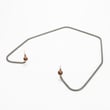
- Heating and drying parts: heater element; symptoms include poor drying and cool wash water
- Sealing parts: door seal and vent gasket; symptoms include leaks or moisture around the door
- Electrical protection and controls: fuse, electronic control; symptoms include dead unit, no response, or erratic cycles
Model-relevant examples for KUDS02FRSS3
Here are several high-frequency replacement parts we stock for this model:
| System | Part name | Part ID | What it typically fixes |
|---|---|---|---|
| Draining | Dishwasher drain pump | WPW10348269 | Won’t drain, humming during drain |
| Filling | Dishwasher water inlet valve | WPW10158389 | No fill, weak fill |
| Heating | Heater element | WPW10082892 | Not drying, water not heating |
| Controls | Dishwasher electronic control | WPW10084141 | No start, random stopping |
| Sealing | Gasket (door seal) | W11196317 | Leaks at the door |
If your dishwasher is not draining, the dishwasher drain pump WPW10348269 and dishwasher drain hose 8269144A are two of the first parts we check.
Quick checks that prevent repeat failures
- Clean out food debris and buildup regularly (helps protect the pump and sump)
- Confirm the door closes tightly and latches before starting a cycle
- Use the correct detergent amount; excess suds can cause performance issues
- Keep the drain hose routed correctly (no kinks, no low spots that trap water)
- If you have hard water, clean the interior periodically to reduce mineral film
Why it matters
Replacing the right “system” part (fill, wash, drain, heat, seal, or control) saves time and prevents repeat symptoms. For example, a “won’t drain” complaint can be a drain pump issue, a blocked hose, or a control problem, so matching the symptom to the system is key.
Where to confirm procedures and safety steps
For model-specific diagrams, access panels, and installation details, use the KUDS02FRSS3 installation guide and the KUDS02FRSS3 owner’s manual.
Last updated: February 2026
What is the most common problem with a KitchenAid dishwasher?
The most common KitchenAid dishwasher problems (including model KUDS02FRSS3) are poor cleaning, not draining, and leaking. In most homes, these come down to restricted water flow (clogged filters or spray arms), a drain restriction (hose or pump), or a worn door seal; our KUDS02FRSS3 owner’s manual troubleshooting section helps you narrow it fast.
Most common issues we see (and what usually causes them)
- Dirty dishes after a cycle: spray arm holes blocked, filter area dirty, overloading, low water temperature
- Standing water in the bottom: drain hose kinked or clogged, disposer inlet plug not removed, drain pump issue
- Leaks: door seal worn, vent gasket leaking, float area sealing issue
- Not drying well: rinse aid empty, heat/dry system issue, plastic items holding water
- Won’t start or stops mid-cycle: door not latching, control problem, blown thermal fuse
Quick checks you can do first
- Run hot water at the sink until it is hot, then start the dishwasher.
- Confirm the drain path: no kinks in the hose and the sink/disposer connection is clear.
- Inspect the door sealing surfaces: wipe the tub lip and check for tears or flattening.
- Use rinse aid and avoid blocking the detergent dispenser with large items.
- Check for error codes using KitchenAid he dishwasher error codes.
Parts that commonly fix these symptoms on KUDS02FRSS3
| Symptom | Common part to check | Example part for this model |
|---|---|---|
| Not draining / water left in tub | Drain pump, drain hose | Dishwasher drain pump WPW10348269, dishwasher drain hose 8269144A |
| Leaking at door | Door seal | Gasket W11196317 |
| No power / dead control | Thermal fuse, electronic control | W10258275, WPW10084141 |
Why it matters
Catching a restriction or worn gasket early prevents repeat wash failures, odor from standing water, and cabinet damage from slow leaks. It also helps you avoid replacing higher-cost parts like the circulation pump or electronic control unnecessarily.
Last updated: February 2026
What's the average lifespan of a KitchenAid dishwasher?
Most KitchenAid dishwashers last 10 to 14 years with normal household use. For your KitchenAid KUDS02FRSS3, consistent cleaning, correct detergent use, and fixing small issues early are the biggest factors in reaching the high end of that range; see the KUDS02FRSS3 owner's manual for care and troubleshooting guidance.
What affects dishwasher lifespan the most
- Water quality: hard water speeds up mineral buildup on the heater and internal parts.
- Maintenance habits: regular cleaning reduces strain on the wash system.
- Loading and detergent: overloading and excess detergent can cause poor washing and residue.
- Heat and drying performance: weak heating can leave moisture behind and increase wear.
- Prompt repairs: addressing draining or filling problems prevents secondary damage.
Typical lifespan expectations (quick reference)
| Dishwasher type | Typical lifespan | Notes |
|---|---|---|
| Standard built-in dishwasher (most homes) | 10 to 14 years | Most common range with routine maintenance |
| Heavy daily use (large household) | 8 to 12 years | More cycles per year increases wear |
| Light use (few cycles per week) | 12 to 16 years | Fewer cycles can extend service life |
Maintenance that helps you reach 10 to 14 years
- Clean the interior and key wash areas regularly (follow the schedule in the manual).
- Run hot water at the sink before starting a cycle so the dishwasher fills with hotter water.
- Use a rinse aid if you see spotting or slow drying.
- Keep the door seal area clean; replace a worn seal to prevent leaks (the gasket W11196317 is a common door-seal replacement).
- If the dishwasher stops draining well, check the drain path and consider the dishwasher drain pump WPW10348269 if the pump is noisy or weak.
Why it matters
A dishwasher that is maintained and repaired early typically avoids the expensive cascade failures that shorten life, such as leaks damaging components, or poor draining overworking the motor and controls.
Last updated: February 2026
Can I replace dishwasher parts myself?
Yes, many KitchenAid KUDS02FRSS3 dishwasher repairs are DIY-friendly if you can safely shut off power and water and follow step-by-step instructions; simple mechanical parts are usually straightforward, while electrical and plumbing repairs take more care and testing.
What you can usually replace yourself
These jobs are typically manageable with basic hand tools and careful reassembly:
- Door sealing parts (for leaks around the door), such as the gasket W11196317
- Drain components when the unit will not drain, such as the dishwasher drain hose 8269144A
- Heating-related parts when drying is poor (after confirming settings and cycle), such as the heater element WPW10082892
- Rack and loading hardware (tines, tracks, rollers) when racks bind or sag
- Some vent sealing issues (gaskets) when moisture escapes at the vent area
Repairs that are still DIY, but higher risk
These are doable, but we treat them as “advanced DIY” because wiring, diagnostics, or water connections are involved:
- No power or intermittent power (often involves the fuse W10258275 or wiring checks)
- Will not fill (water supply checks and possibly the dishwasher water inlet valve WPW10158389)
- Will not drain even after clearing the hose (may involve the dishwasher drain pump WPW10348269)
- Control and user interface issues (board and ribbon cable handling)
Safety and installation basics we follow
From the KitchenAid installation and use guidance, these points matter on KUDS02FRSS3:
- Disconnect power before opening the terminal box; do not use an extension cord
- Keep drain and water lines routed so they do not contact the motor or legs
- Do not install over carpet; the motor should not touch the floor
- Secure the dishwasher to the countertop or cabinet sides to prevent tipping
| Repair type | Typical DIY level | Common symptom |
|---|---|---|
| Seals, racks, hoses | Basic | Leaks, rack problems |
| Drain pump, inlet valve | Intermediate | Not draining, not filling |
| Control board, wiring | Advanced | Dead unit, erratic operation |
Why it matters
Dishwashers combine electricity, hot water, and moving parts. Doing the right shutdown steps and reinstalling parts correctly prevents leaks, shock hazards, and repeat failures. For model-specific procedures and safety notes, we follow the KUDS02FRSS3 installation guide and the KUDS02FRSS3 manual.
Last updated: February 2026