


Is it worth getting an electric chainsaw?
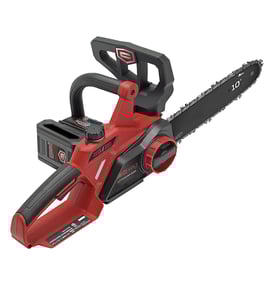
Yes, an electric chainsaw can be worth it, especially for typical homeowner cutting and trimming. With the Remington EL-1 electric chainsaw, you avoid gas mixing and many fuel-related issues; the tradeoff is less portability (corded) and usually less sustained power than gas for heavy, continuous cutting.
When an electric chainsaw is the better choice
- You mainly cut small trees, limbs, and firewood rounds at home
- You want lower maintenance (no carburetor tuning, no stale fuel)
- You prefer quieter operation and easier starting
- You already have reliable access to power where you cut
- You want a lighter, simpler saw for occasional use
When you may want a different type of saw
Electric is not always the best fit if your jobs are larger or farther from power.
| Best for | Corded electric (like EL-1) | Battery electric | Gas chainsaw |
|---|---|---|---|
| Portability | Low | High | High |
| Run time | Unlimited (with power) | Limited by battery | Long with refuel |
| Maintenance | Low | Low | Higher |
| Heavy cutting | Moderate | Moderate | Best |
Parts and upkeep that affect value
A saw feels “worth it” longer when the cutting system is kept sharp and properly tensioned.
- Keep the chain sharp and correctly tensioned
- Use proper bar and chain oil and confirm oiling before cutting
- Replace a worn or stretched chain when it will not hold tension
- If cutting performance drops, inspect the chain first before assuming a motor issue
If you need a compatible replacement chain for this model, use the chain 91PX050G.
Why it matters
Choosing the right power type helps you cut safer and faster with fewer stalls, pinches, and kickback risks. For any chainsaw type, we recommend reviewing how to prevent chainsaw injuries before your next job.
Last updated: January 2026
What is the best electric chainsaw for the money?
For a Remington EL-1 electric chainsaw, the best “value for the money” usually comes from keeping the saw you already own cutting safely and efficiently: use the correct bar-and-chain oil, keep the chain sharp and properly tensioned, and replace a worn chain with the correct match such as the chain 91PX050G.
What “best value” means for an electric chainsaw
When we compare corded electric chainsaws like the Remington EL-1, value is less about brand hype and more about whether the saw matches your typical jobs and stays reliable with basic maintenance.
Good value looks like:
- Enough bar length for your usual limb size (avoid oversizing)
- A chain that stays sharp and can be tensioned correctly
- Consistent oiling to reduce bar and chain wear
- Comfortable handling and predictable kickback behavior
- Easy access to common wear parts (chain, bar, sprocket area)
Quick buyer checklist (what to prioritize)
Use this checklist when comparing any electric chainsaw to your EL-1.
- Power source: corded for steady power; battery for portability
- Bar length: shorter bars are easier to control and maintain
- Chain type/availability: choose a saw with readily available replacement chains
- Tool-less tensioning: convenient, but still must hold tension under load
- Oiling system: consistent oil delivery matters more than “high output” claims
Value comparison: corded vs battery (typical homeowner use)
| Feature | Corded electric | Battery electric |
|---|---|---|
| Runtime | Unlimited (with power) | Limited by battery |
| Power consistency | Very consistent | Can drop as battery drains |
| Best for | Yard work near outlets | Remote trimming, quick cuts |
| Ongoing cost | Low | Batteries add cost |
Why it matters
A sharp, correctly tensioned chain and proper lubrication reduce cutting time, motor strain, and the chance of binding or kickback. For many homeowners, that is the biggest “money saver” because it extends the life of the saw and improves safety.
Safety reminder
Wear eye/ear protection and gloves, keep both hands on the saw, and follow proven safety practices like those in how to prevent chainsaw injuries.
Last updated: January 2026
How thick of a tree can an electric chainsaw cut?
For the Remington EL-1 electric chainsaw, the exact maximum tree diameter is not a fixed model-specific spec we can confirm from the available EL-1 information. In practice, cut size is mainly limited by guide bar length and motor power; a safe rule is to keep single-pass cuts about 2 inches smaller than the bar length.
Practical rule of thumb (what most users can do safely)
- Stay about 2 inches under the bar length for a straightforward, single-pass cut.
- You can cut larger trunks by cutting from multiple sides, but kickback and bar pinching risk goes up.
- Dense hardwoods effectively reduce the “comfortable” diameter compared to softwoods.
- A sharp, properly tensioned chain cuts larger wood with less stalling.
- Good lubrication helps prevent overheating and premature bar and chain wear.
Quick sizing guide (general guidance)
| Guide bar length | Practical single-pass diameter | Typical use |
|---|---|---|
| 10 in | up to ~8 in | limbing, small trees |
| 12 in | up to ~10 in | general yard cleanup |
| 14 in | up to ~12 in | larger limbs, small trunks |
When the chain becomes the limiting factor
If your EL-1 makes fine dust (not chips), cuts crooked, or requires heavy pressure, the chain is likely dull or damaged. A model-compatible replacement option is the chain 91PX050G.
Why it matters
Staying within a realistic diameter range helps prevent stalling, reduces overheating, and lowers the chance of pinching the bar. It also improves control, which is critical for reducing kickback risk.
Safety essentials before cutting larger wood
- Wear eye protection, gloves, and hearing protection.
- Keep both hands on the saw; maintain stable footing.
- Avoid cutting with the bar tip (kickback zone).
- Support the log to keep the kerf from closing on the bar.
- Review how to prevent chainsaw injuries before tackling larger cuts.
Last updated: January 2026