- Kenmore refrigerator water filters
- Whirlpool refrigerator water filters
- Samsung refrigerator water filters
- GE refrigerator water filters
- LG refrigerator water filters
- Frigidaire refrigerator water filters
- KitchenAid refrigerator water filters
- Maytag refrigerator water filters
- Kenmore Elite refrigerator water filters
- Estate refrigerator water filters
- GE Profile refrigerator water filters
- Amana refrigerator water filters
- Bosch refrigerator water filters
- Dacor refrigerator water filters
- Electrolux refrigerator water filters
Top DIY repair help
View All Repair Categories
Appliances
Lawn & Garden
Power Tools
Home Improvement
Sports & Leisure
Heating & Cooling
When to replace a chainsaw bar
less than a minute readOct 17Lyle Weischwill
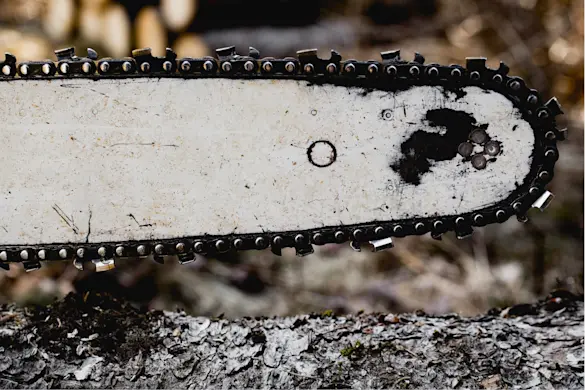
The condition of the bar that guides the chain on your chainsaw affects every cut you make. A worn or damaged bar can lead to uneven cuts, accelerated chain wear, or safety hazards like kickback and derailment.
Chains are replaced often, but bars wear down too. Over time, the groove can pinch, the rails can become uneven, and heat or impact can cause bends or warping.
Knowing when to replace a chainsaw bar helps your saw run safely and cut cleanly. Below, we’ll break down the most common signs of wear, how to inspect your bar, and how to get more life out of it.
Check for common signs of bar wear
Chainsaw bars wear down gradually, and most issues are easy to miss until they start affecting performance. Regularly inspecting your bar for damage or uneven wear can prevent bigger problems and help you decide when it’s time to replace it.
Uneven rails
The top edges (rails) of the bar should be level on both sides. If one side is noticeably lower, the saw may start cutting at an angle. This kind of wear usually comes from consistently applying more pressure on one side during cutting.
Mushrooming or burrs
Friction and heat can raise metal along the bar edges, a condition called “mushrooming.” These burrs can prevent the chain from moving freely and may catch on the drive links, causing resistance or derailment.
Worn or pinched groove
The groove that holds the chain in place can wear down or get pinched shut. A properly fitting chain should sit snugly in the groove but still move smoothly. If the groove is shallow, flared, or tight, the bar may need replacing.
Bent bar
Even a slight bend in the bar can cause binding, uneven cuts, or chain derailment. Lay the bar on a flat surface and check for gaps or rocking; this can reveal subtle warping that’s hard to see otherwise.
Burn marks or discoloration
Dark spots or a bluish tint on the bar often indicate overheating, typically caused by poor lubrication or excessive friction. Repeated overheating can damage the bar’s hardness and lead to premature wear.
Test for bar straightness and rail wear
A visual inspection only tells part of the story. Testing the bar’s straightness, groove condition, and rail height helps confirm whether it’s still safe and cutting efficiently. These checks take just a few minutes and don’t require special tools.
1. Check for straightness
Remove the bar from the saw and place it on a perfectly flat surface, such as a workbench or piece of glass.
Look for any rocking or visible gaps under the bar; either means it’s bent or warped.
You can also hold the bar up and sight down its length from the tip toward the mounting end. A slight curve or twist indicates it should be replaced.
Even a small bend can cause binding, uneven cuts, or make the chain jump off the bar during use.
2. Inspect the rail height
Run a straightedge or flat file across the top of the rails to see if one side sits lower than the other.
If one side is uneven, the bar will guide the chain off-center and cause the saw to cut at an angle.
You can measure the difference with a small caliper or feeler gauge. Anything more than minor unevenness means it’s time for a new bar.
Rotating the bar (flipping it each time you replace or sharpen the chain) can help prevent uneven rail wear in the future.
3. Examine the groove and chain fit
Set the chain into the groove and check the fit:
The chain should slide smoothly but stay seated without excessive side-to-side play.
If the chain wobbles or sits too low, the groove is worn out.
If the chain binds or drags, the groove may be pinched or flared from impact or overheating.
You can also use a bar groove gauge, if available, to measure groove depth against the manufacturer’s specification. If the depth is too shallow or the edges are rounded, replace the bar before reinstalling the chain.
How to extend the life of your chainsaw bar
Chainsaw bars don’t wear out as quickly as chains, but neglecting basic maintenance can shorten their lifespan significantly. A well-maintained bar cuts straighter, runs cooler, and protects the chain and drive components from premature wear.
Keep the chain sharpened and tensioned
A dull chain increases friction and heat, which accelerates rail wear and can even cause the bar to warp.
Sharpen the chain regularly and inspect the depth gauges (rakers).
Keep the chain tensioned correctly. Too tight increases strain, while too loose can cause derailment and uneven rail wear.
Flip the bar regularly
Most chainsaw bars are reversible.
Flipping the bar each time you replace or sharpen the chain helps balance rail wear.
This prevents one side from becoming noticeably lower than the other, which can lead to crooked cutting or chain misalignment.
Clean the groove and oil holes
Sawdust and debris can clog the bar groove and block lubrication channels.
Use a groove cleaner or a small pick to remove buildup.
Make sure the oiling holes near the bar mount are open and clear.
If your saw has a sprocket-nose tip, clean and lubricate it as well to keep it spinning freely.
Use the right bar oil
Proper lubrication prevents heat buildup and reduces friction between the chain and the bar.
Always use chainsaw bar oil, not motor oil or other substitutes.
Check that the oiler system is working by pointing the bar tip at a clean surface and revving briefly; you should see a light spray of oil.
Running the saw without proper bar lubrication can quickly burn the rails, damage the nose sprocket, and ruin the chain.
Find the right replacement bar
When your chainsaw bar is too worn to continue safely, it’s important to match the replacement correctly to your saw. Bars vary not just in length, but also in their mounting configuration, chain compatibility, and internal oiling design.
Here’s what to check:
Bar length
Measured from the front of the saw to the tip of the bar (not the full physical length), this determines the cutting reach. Match the length exactly unless your saw supports multiple bar sizes.
Pitch and gauge
These measurements need to match the chain and sprocket system:
Pitch is the distance between chain links.
Gauge is the thickness of the drive links that fit into the bar groove.
You can often find these specs stamped on the old bar near the mounting slot or listed in your chainsaw’s manual.
Mount type
Each chainsaw brand, and sometimes each model, uses a specific bar mount design. This affects the shape of the bar's base, oiling hole alignment, and tensioner slot position. Always match the mount type to your saw’s brand and model.
Where to search
You can browse chainsaw parts by brand or type. Or, for the fastest and most accurate results, enter your chainsaw’s full model number in the search bar at the top of the page to find bars and parts that fit.
Checking these specs helps ensure the new bar aligns properly, lubricates correctly, and supports the chain without binding or skipping.
The bar is just as important as the chain when it comes to safe, smooth cutting. Regular inspection helps catch wear before it causes performance problems or safety risks. If you notice damage, uneven cuts, or visible signs of wear, it may be time to replace the bar.
Explore compatible chainsaw parts or get more DIY chainsaw repair help to keep your chainsaw running safely and cutting cleanly.