- Kenmore refrigerator water filters
- Whirlpool refrigerator water filters
- Samsung refrigerator water filters
- GE refrigerator water filters
- LG refrigerator water filters
- Frigidaire refrigerator water filters
- KitchenAid refrigerator water filters
- Maytag refrigerator water filters
- Kenmore Elite refrigerator water filters
- Estate refrigerator water filters
- GE Profile refrigerator water filters
- Amana refrigerator water filters
- Bosch refrigerator water filters
- Dacor refrigerator water filters
- Electrolux refrigerator water filters
Top DIY repair help
View All Repair Categories
Appliances
Lawn & Garden
Power Tools
Home Improvement
Sports & Leisure
Heating & Cooling
How to tune-up a gas chainsaw
less than a minute readOct 01Wayne Archer
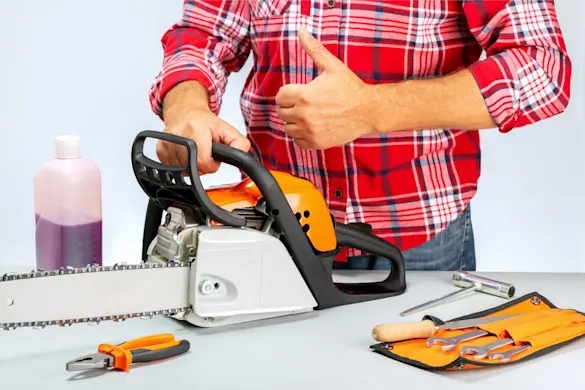
Gas-powered chainsaws need regular maintenance to stay sharp, powerful, and reliable. A basic tune-up helps improve performance, extend engine life, and reduce the risk of mechanical issues in the middle of a job.
DIY-friendly with just a few basic tools and parts. Cleaning the saw, inspecting wear components, and replacing items like the spark plug and air filter go a long way in keeping the chainsaw running smoothly. Whether it’s prepping for the season or getting ready to store the saw, a tune-up is one of the most important maintenance steps for any gas chainsaw.
What a chainsaw tune-up includes
A tune-up targets the parts of your chainsaw that impact performance, fuel efficiency, and safe operation. Each of these steps can usually be done at home with a few hand tools and a little time.
Air filter inspection or replacement: A dirty air filter can choke airflow and reduce engine power. Clean the filter if it’s reusable; replace it if it’s damaged or clogged with debris.
Spark plug inspection or replacement: The spark plug should be clean and properly gapped. If it’s fouled, cracked, or worn, replace it to ensure smooth starting and reliable ignition.
Fuel system check: Look for cracks or leaks in fuel lines, and check that the fuel filter isn’t clogged. Always use fresh fuel, especially if the saw has been stored for a while.
Chain tension and lubrication: A loose or dry chain won’t cut effectively and can be dangerous. Adjust chain tension according to your service manual, and make sure the bar oil reservoir is full.
Carburetor adjustment (if applicable): If the engine is hard to start or idles roughly, a slight carburetor adjustment may help. Some models need a specialty tool or are best adjusted by a pro.
Most chainsaws benefit from a tune-up every season or after about 25 hours of use, whichever comes first. Tuning up more often is a good idea if you're running the saw in dusty, dirty, or high-use conditions.
What you’ll need
Before starting the tune-up, gather the tools and supplies so you have everything within reach:
Scrench or socket wrench
Flathead screwdriver (for carburetor adjustment, if needed)
New air filter (if replacement is required)
New spark plug (match to your model’s specs in the owner's manual)
Bar and chain oil
2-cycle engine oil
Fuel stabilizer (optional, but useful for long-term storage)
Cleaning brush and shop rag
Having the right tune-up supplies on hand will make the tune-up faster and help ensure each step is done thoroughly.
Step-by-step gas chainsaw tune-up
Clean the chainsaw
Remove dirt, sawdust, and grease from the housing, air intake, and cooling fins.
Use a soft brush, rag, or compressed air.
Clear all cooling vents to prevent overheating during use.
Inspect and clean or replace the air filter
Remove the top cover to access the air filter.
If it’s a foam filter, tap out debris or wash with soapy water and let it dry completely.
Replace the filter if it’s damaged, clogged, or excessively dirty.
Check and replace the spark plug
Remove the spark plug with a scrench or socket.
Inspect the electrode:
Black and oily means the engine is running rich.
White and chalky suggests a lean fuel mixture.
Clean the plug or replace it based on condition.
Set the gap to the manufacturer’s specification.
Reinstall and tighten the spark plug securely.
Inspect the fuel system
Check the tank for old or stale fuel; drain and refill if needed.
Inspect fuel lines for cracks, brittleness, or leaks; replace the fuel lines if you find damage.
Replace the fuel filter if it looks dirty or clogged.
Use a fresh mix of gasoline and 2-cycle oil at the proper ratio.
Adjust the carburetor if needed
Locate the carburetor adjustment screws, typically labeled L (low speed), H (high speed), and T or I (idle).
Adjust in small increments only if the engine idles poorly, bogs down, or stalls:
L screw controls low-speed fuel mixture.
H screw controls high-speed mixture.
T or I adjusts idle speed.
If unsure, consult your service manual or leave it to a professional.
Check chain tension and bar lubrication
Make sure the chain is snug but still moves freely by hand.
Refill the bar and chain oil reservoir.
Clean the guide bar groove and oil delivery hole.
Inspect the chain for dull or damaged teeth; sharpen or replace if needed.
Reassemble and test run
Replace all covers and fasteners.
Start the chainsaw and let it idle for a minute.
Test throttle response and ensure the chain stops when the throttle is released.
Listen for smooth operation and adjust idle if the engine stalls or surges.
A chainsaw tune-up does more than improve engine performance. It boosts cutting power, reduces wear on key components, and helps prevent mid-job breakdowns. It’s a good idea to tune up your chainsaw at the start of each cutting season or after especially heavy use. When you're finished, store it with fresh fuel and clean components so it’s ready for the next job. If your chain is dull or damaged, browse our selection of replacement chainsaw chains to restore clean cutting performance. For more maintenance tips and step-by-step fixes, visit our DIY gas chainsaw repair help page.