 Owner’s manual


What is the average lifespan of a Kenmore washer?
A Kenmore washer, including the Kenmore 11046462500 front-load model, typically lasts 10 to 15 years with normal household use and basic maintenance. Consistent care (proper loading, HE detergent, and routine cleaning) is what most often separates a 10-year washer from a 15-year washer.
What affects lifespan the most
- Load size and frequency: frequent heavy loads shorten bearing, suspension, and drive life.
- Detergent choice: this model is designed for HE (High Efficiency) detergent; oversudsing can stress components.
- Moisture control: leaving the door cracked open helps reduce odor and residue buildup.
- Water quality: hard water can increase scale and residue.
- Vibration and leveling: an unlevel washer increases wear on shocks, springs, and tub components.
Maintenance habits that help you reach 10 to 15 years
Use these practices from day one (and they still help an older washer):
- Run periodic cleaning cycles and wipe the door area dry after use.
- Do not overload; the door should close easily and the load should not be tightly packed.
- Use the correct amount of HE detergent (too much causes oversudsing).
- Inspect fill hoses for bulges, cracks, or leaks; replace on schedule.
- Keep the washer level to reduce walking and excessive vibration.
Quick reference: lifespan vs. what you may notice
| Washer age | What’s common | What to do |
|---|---|---|
| 0 to 5 years | Minor adjustments, occasional hose or clamp issues | Keep it level; follow routine cleaning |
| 5 to 10 years | More frequent wear items (hoses, door seal leaks, vibration) | Inspect seals/hoses; address leaks early |
| 10 to 15 years | Higher chance of major wear (suspension, tub seals, controls) | Compare repair cost vs. overall condition |
Why it matters
A front-load washer like the Kenmore 11046462500 can run a long time, but small issues (oversudsing, leaks, chronic vibration) accelerate wear on expensive assemblies. Following the care guidance in the 11046462500 use & care manual helps prevent the most common early failures.
Last updated: January 2026
Can I replace a washing machine drain pump myself?
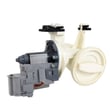
Yes, many DIYers can replace the drain pump on a Kenmore washer model 11046462500 if you’re comfortable removing panels, handling hose clamps, and working safely around water and electricity. We recommend following the step-by-step safety guidance in the 11046462500 use & care manual.
What to expect on this model
Kenmore 11046462500 is a front-load washer, so the drain pump is typically accessed from the lower front area after removing the lower access panel (or front panel section, depending on the build). Plan for some water spillage when you disconnect pump hoses.
Tools and supplies we recommend
- Phillips and/or Torx screwdriver (varies by fasteners)
- Pliers for hose clamps
- Shallow pan and towels (water will drain out)
- Work gloves
- Phone/camera (to document wire and hose routing)
Safety steps we follow first
- Unplug the washer (do not rely on the control being “off”).
- Turn off both water supply valves.
- If the tub is full, run Drain & Spin if possible; otherwise be ready to drain manually.
- Keep the power cord and any connectors dry while working.
Parts you may need (common related items)
If you’re replacing the pump because of a drain restriction, also check the drain path for debris. On this model, a clogged trap/filter area is a common cause of slow draining.
| What you’re addressing | What to inspect/replace | Notes |
|---|---|---|
| Slow/no drain | Trap WPW10405608 | Often holds coins, lint, small items |
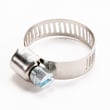
| Leaks after service | Hose clamps and hose seating | Reposition clamps fully over hose bead |
| Drain hose routing issues | Drain hose support/bracket | Prevents kinks and siphoning |
Why it matters
A properly working drain pump and clear drain path help prevent standing water, odor, and cycle errors. Replacing the pump without clearing a blockage can lead to repeat failures.
Last updated: January 2026
How to tell if a washing machine drain pump is bad?
On your Kenmore washer model 11046462500, a bad drain pump usually shows up as water left in the drum, abnormal humming or grinding during the drain portion of the cycle, or leaking near the lower front. Before replacing parts, we confirm the drain path and pump filter are clear.
Common symptoms of a failing drain pump
- Washer stops mid-cycle with water still inside
- You hear a steady hum but little or no water exits the drain hose
- Grinding, rattling, or buzzing during drain
- Draining is noticeably slower than normal
- Water leaks from the lower front area during or after draining
Checks to do first (rule out a clog)
These steps apply to the 11046462500 front-load design and often solve “won’t drain” complaints.
- Unplug the washer before accessing any lower panels or hoses
- Check the drain hose for kinks, pinches, or a crushed section
- Confirm the standpipe or laundry tub is not backing up
- Clean the pump filter and remove debris (coins, lint, hair pins)
- Look into the filter opening for an obstructed impeller
For safety precautions and cycle operation details, use the 11046462500 washer manual.
How we narrow it down to the pump
If the drain hose and filter are clear but draining is still poor, the pump motor or impeller is more likely the problem.
| What you observe | Most likely cause | What to do next |
|---|---|---|
| Hums but won’t drain | Jammed impeller or failing pump motor | Recheck filter/impeller area; replace pump if clear |
| Silent during drain | Power issue to pump, wiring problem, or failed pump | Check wiring connections and diagnostics |
| Drains slowly | Partial restriction or weak pump | Clear restrictions; replace pump if flow stays weak |
| Leaks during drain | Loose hose connection, damaged hose, or pump housing issue | Inspect hoses, clamps, and pump area for seepage |
Why it matters
A weak or failed drain pump can prevent the final spin, leave standing water that causes odors, and trigger drain-related errors. Fixing the root cause helps restore normal cycle completion and protects other components.
If you find a loose connection
This model uses hose clamps in the drain path; one compatible option listed for this model is the clamp WP696392.
Last updated: January 2026





