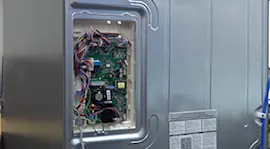
Error Codes


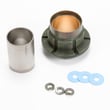
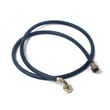
Are Maytag parts available?
Yes. We carry Maytag replacement parts, and you can shop by your washer model number (A206) or by the exact part number to match the right fit and function. Using the model number helps narrow results to the correct Maytag washer parts category.
Best ways to find the right Maytag part
- Confirm the full model number on the appliance ID tag: A206
- Search by model number first, then filter by the symptom (won’t drain, won’t spin, leaking)
- If you already have it, search by the manufacturer part number from the old part
- Compare key details before ordering: mounting style, electrical rating, and connector type
- For older Maytag washers, check for revisions (small design changes over time)
Common Maytag washer parts customers replace
| Part type | What it affects | Common symptom |
|---|---|---|
| Drive belt or drive components | Agitation and spin | Won’t spin or weak spin |
| Lid switch | Safety interlock | Won’t start or stops mid-cycle |
| Water inlet valve | Filling | Won’t fill or overfills |
| Drain pump | Draining | Won’t drain or water left in tub |
| Timer or control | Cycle control | Stuck in cycle or won’t advance |
Why it matters
Ordering by the exact Maytag model number (A206) reduces returns and downtime because many washer parts look similar but differ in fit, wiring, or capacity.
Helpful related resource
If you need help confirming the model tag before ordering, use how to find your appliance model number (and what it means for parts).
Last updated: February 2026
Is it worth fixing a Maytag washer?
Yes, it’s often worth fixing a Maytag washer when the problem is a common wear item (belt, pump, lid switch, hoses) and the total repair cost stays below about half the price of a comparable replacement. For an older Maytag A206, it’s most worth repairing when the machine is otherwise solid and you’re not facing a major drive or tub-related failure.
Quick decision checklist (Maytag A206)
- Repair if the washer still agitates/spins normally and the issue is leaking, not draining, noisy, or not starting.
- Repair if you can do basic DIY work safely (simple mechanical or electrical checks).
- Replace if the washer has repeated breakdowns in a short period.
- Replace if the repair involves major drivetrain parts (transmission, drive system) or severe tub/bearing damage.
- Replace if rusted cabinet/tub support is causing alignment or balance problems.
Typical repair vs. replace cost guide
| Situation | What it usually means | Best choice |
|---|---|---|
| Won’t drain, slow drain, or water left in tub | Drain pump or blockage | Repair |
| Won’t start or intermittent power | Switch, cord, wiring, timer/control issue | Repair (if isolated) |
| Loud grinding, burning smell, no spin under load | Drive system or transmission stress | Replace more often |
| Leaks from hoses or pump area | Hose, clamp, pump seal | Repair |
Why it matters
A Maytag A206 is typically a durable, serviceable design, so fixing a single failed component can restore reliable washing for years. The tipping point is when the repair is expensive, invasive, or signals multiple worn systems at once.
What we recommend doing first
- Compare the all-in repair cost (parts + labor) to a replacement washer.
- Check for multiple symptoms (leak + noise + weak spin) that suggest broader wear.
- Do a basic inspection for oil leaks, burnt odor, or metal-on-metal noise during spin.
- If you’re troubleshooting electrical issues, use safe test methods from how to use a multimeter to test electrical parts video.
Last updated: February 2026
What is the composition of A206?
For the Maytag A206 washer, “composition” most often means the materials used in the washer’s major assemblies (cabinet, tub, basket, hoses, and drive parts), not the A206 aluminum alloy. On this model, the exact material mix depends on the specific component and any prior replacements.
What “composition” means for a Maytag A206 washer
These are the common material categories you will see when identifying or replacing washer parts:
- Metal panels and structural parts: typically steel with a painted or coated finish
- Water-contact parts (tub, basket, fittings): metal or heavy-duty polymer depending on the component design
- Hoses, seals, gaskets: rubber or elastomer compounds
- Pump and valve bodies: molded plastic or metal, depending on the part style
- Fasteners, shafts, springs: steel
Quick clarification: washer model vs. aluminum alloy
| Term | What it refers to | What to do with it |
|---|---|---|
| A206 (Maytag) | Washer model number | Use it to match the correct replacement parts |
| A206 (alloy) | Aluminum-copper casting alloy | Relevant to metal fabrication, not washer parts lookup |
How we recommend confirming the material for your specific part
Because materials vary by component and can change if a part was replaced in the past, the most reliable approach is to identify the exact part you are working on.
- Locate the model tag and confirm it reads A206
- Identify the assembly name (for example: tub, basket, pump, inlet valve)
- Compare the old part’s appearance and weight (metal vs. polymer)
- If you are troubleshooting corrosion, check for chips, rust, or mineral buildup
For model-tag location and why it matters for correct part matching, use how to find your appliance model number (and what it means for parts).
Why it matters
Knowing what a specific A206 component is made from helps you choose safe cleaners, prevent corrosion, and avoid ordering the wrong replacement (especially when similar-looking parts come in metal and polymer versions).
Last updated: February 2026
What is the most common problem with a Maytag washer?
The most common Maytag washer problems (including the Maytag A206) are “won’t drain” and “won’t spin” complaints. In most cases, the root cause is a drain restriction, a lid switch issue, or a worn drive system that prevents proper agitation and spin.
Most common symptoms and what they usually mean
- Washer won’t drain or drains slowly: kinked/clogged drain hose, blocked tub-to-pump hose, or a jammed drain pump
- Washer won’t spin: lid switch not closing, drive belt wear, or a drive coupling/clutch issue
- Washer won’t start: power cord/outlet issue, timer/control problem, or lid switch not engaging
- Loud noise during spin: worn drive components, failing pump, or something stuck in the pump area
- Excessive vibration/walking: unbalanced load, weak suspension, or uneven floor/leveling
Quick checks we recommend first (fast, no parts guessing)
- Unplug the washer; then confirm the outlet has power.
- Verify the lid closes firmly and the lid switch “clicks” consistently.
- Check the drain hose for kinks, crushing, or a clog at the standpipe.
- Run a small test load; confirm the basket accelerates smoothly into spin.
- Listen for a humming pump (hums but won’t drain often points to a blockage).
Troubleshooting map (symptom to next step)
| Symptom | Most likely area | Best next step |
|---|---|---|
| Won’t drain | Drain path/pump | Inspect hose and pump area for blockage |
| Won’t spin | Lid switch/drive | Test lid switch operation; then inspect drive system |
| Shakes a lot | Load/leveling | Rebalance load; level the washer |
| Won’t fill | Water supply/inlet | Confirm valves are open; check screens for debris |
Why it matters
Drain and spin problems can look like “the washer is dead,” but they are often caused by simple restrictions or safety interlocks (like the lid switch). Catching the real cause early prevents motor strain, belt wear, and repeat shutdowns.
Helpful DIY resource
For safe, basic repair prep and tool selection, we recommend reviewing must have tools for appliance repair.
Last updated: February 2026
What's the average lifespan of a Maytag washer?
Most Maytag washers, including the Maytag A206, typically last 10 to 13 years with normal household use and basic maintenance. Heavy loads, frequent cycles, and poor leveling shorten life; routine care and timely part replacement extend it.
What affects washer lifespan the most
- Load size and balance: chronic overloading strains the drive system and tub support.
- Installation and leveling: an unlevel washer increases vibration and wear.
- Water quality: hard water speeds mineral buildup in valves and hoses.
- Detergent habits: too much detergent can cause residue, odors, and extra stress during spin.
- Maintenance timing: replacing worn belts, hoses, or lid switches early prevents bigger failures.
Typical lifespan by use pattern
| Use pattern | What we see most often | Practical expectation |
|---|---|---|
| Light (1 to 3 loads/week) | Lower wear on drive and suspension | 12 to 15 years |
| Average (4 to 7 loads/week) | Normal wear | 10 to 13 years |
| Heavy (8+ loads/week) | Faster wear, more vibration issues | 7 to 10 years |
Signs your washer is nearing end of life
- Loud grinding or squealing during agitation or spin
- Repeated out-of-balance shaking even after leveling
- Slow fill, no fill, or intermittent draining
- Burning smell, tripped breaker, or motor not starting
- Rusted cabinet base or persistent leaks at the tub area
Why it matters
Knowing the typical lifespan helps us decide whether to repair or replace. If your A206 is within the 10 to 13 year window, a targeted repair is often cost-effective; beyond that, multiple failing components can make replacement the better value.
For safe DIY planning and tool prep, we use must have tools for appliance repair.
Last updated: February 2026