Owner’s manual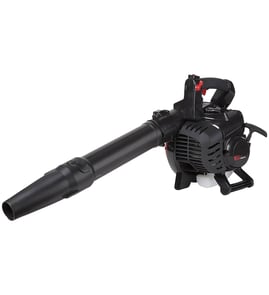




What is the life expectancy of a gas leaf blower?
A gas leaf blower typically lasts about 10 years with normal homeowner use and routine maintenance. For the Craftsman 316794790 2-cycle backpack blower, consistent upkeep (fresh fuel mix, clean air filter, good spark) is what most directly determines how long it keeps starting easily and running strong.
Typical lifespan by use and care
- Light homeowner use + good maintenance: ~10+ years
- Heavy seasonal use (lots of hours) + average maintenance: ~5 to 8 years
- Poor fuel practices (old fuel, wrong mix) or dusty operation: shorter lifespan due to carburetor and engine wear
Maintenance that most extends life
Use the schedule and procedures in the owner's manual. Focus on the items that prevent hard starting and lean running.
- Use fresh, properly mixed 2-cycle fuel; drain and refresh fuel if it sits too long
- Keep the air intake system clean; service the air filter and housing regularly
- Replace a worn or fouled plug; this model uses the spark plug 794-00082
- Inspect for loose fasteners and vibration-related wear (common on backpack blowers)
- Keep blower tubes installed correctly before operation (helps airflow and reduces strain)
Quick “wear item” guide
| Wear item | What it affects | Common sign it is due |
|---|---|---|
| Spark plug | Ignition quality | Hard starting, misfire, weak power |
| Air filter / air cleaner | Airflow and fuel mixture | Runs rich, bogs, poor throttle response |
| Fuel system (lines, tank, cap) | Fuel delivery and sealing | Surging, stalling, fuel smell or leaks |
| Carburetor / gaskets | Metering fuel | Won’t start, runs rough, won’t idle |
Why it matters
Most “short lifespan” complaints come from fuel and airflow issues, not the blower wearing out. The manual’s troubleshooting guidance points to old or improperly mixed fuel, dirty air filtration, and a fouled spark plug as common causes of poor running, and those are all preventable with routine service.
Last updated: February 2026
How many cfm should a good leaf blower have?
A “good” leaf blower CFM depends on the size of the cleanup job. For the Craftsman 316794790 backpack blower, the owner's manual lists 350 to 400 CFM, which fits typical residential yard cleanup and general debris moving.
Quick CFM targets by job size
- 200 to 400 CFM: patios, porches, small yards, light dry leaves
- 400 to 700 CFM: most residential yards, moderate leaf piles, routine fall cleanup
- 700+ CFM: large properties, heavier debris, wet leaves (often larger backpack units)
- Higher CFM: moves more air volume (better for moving lots of leaves)
- Higher MPH: adds “punch” for stubborn or wet debris
How this compares to your Craftsman 316794790
The manual specs for this model give you a solid baseline for what to expect.
| Spec | What it means | Craftsman 316794790 (manual spec) |
|---|---|---|
| CFM | Air volume moved | 350 to 400 CFM |
| MPH | Air speed | 150 to 175 MPH |
Why it matters
CFM is the best single number for “how much leaf-moving capacity” you get. If you mainly clear broad areas (driveways, lawns, flower beds), CFM usually matters more than MPH. If you need to peel wet leaves off mulch or corners, MPH becomes more noticeable.
Tips to get the most performance from your blower
- Use the full nozzle extension so airflow works close to the ground
- Keep the air filter clean so the engine can breathe properly
- Use fresh, correctly mixed fuel (2-cycle mix) to avoid rough running
- Inspect the spark plug and set/confirm the correct gap during tune-ups
- If performance drops, check for air leaks at the carburetor gasket and fuel system
If you are doing a tune-up, common maintenance parts for this model include the spark plug 794-00082 and the lawn & garden equipment air filter and housing assembly 753-05725.
Last updated: February 2026
Who makes Craftsman leaf blowers?
Craftsman is a brand name used on a range of outdoor power equipment, and the actual manufacturer can vary by model and production run. For the Craftsman backpack blower model 316794790, the owner's manual identifies it as a Sears-branded Craftsman product and provides the model-specific parts list and service information.
What you can rely on for your 316794790
The most accurate way to identify what fits your blower is to use the model-specific documentation and parts list for 316794790.
- Match parts by model number 316794790, not by “Craftsman” alone
- Use the manual parts list to confirm the correct part numbers
- Replace common tune-up items on schedule (spark plug, air filter)
- Use the correct fuel and maintenance procedures for a 2-cycle engine
- When performance issues show up, start with ignition, air, and fuel checks
Common parts that confirm model fit
These are examples of model-listed parts for Craftsman 316794790 that help you confirm you are shopping for the right machine:
| Part type | Example part name | Part number |
|---|---|---|
| Ignition tune-up | Spark plug | 753-05784 |
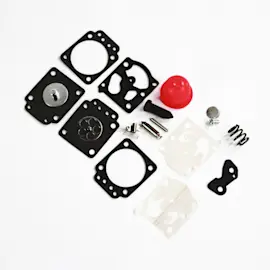
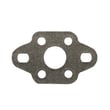
| Fuel/air sealing | Carburetor gasket | 791-181709 |
| Air intake | Air filter and housing assembly | 753-05725 |
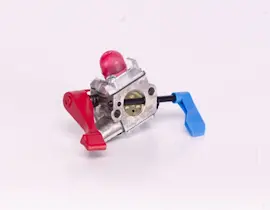
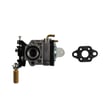
| Fuel delivery | Leaf blower carburetor | 753-05633 |
Why it matters
“Craftsman” covers many different engines and designs; even similar-looking blowers can use different carburetors, fuel tanks, or ignition parts. Using the 316794790 manual and parts list prevents ordering the wrong part and helps you troubleshoot faster.
Last updated: February 2026
What is the best gas-powered leaf blower on the market?
There is no single “best” gas-powered leaf blower for everyone; the right choice depends on whether you need maximum blowing force, lower weight, or all-day comfort. If you already own the Craftsman 316794790 backpack blower, it delivers strong typical performance for its class (about 350 to 400 CFM and 150 to 175 MPH) when it is tuned and maintained per the owner's manual.
How we recommend choosing the “best” gas blower
Focus on the specs and features that change real-world performance:
- Air volume (CFM): higher moves more leaves at once
- Air speed (MPH): higher helps lift wet or stuck debris
- Weight and harness comfort: critical for backpack blowers
- Fuel system and starting: easier starting saves time and frustration
- Noise and vibration: affects comfort and where you can use it
Quick comparison: backpack vs handheld gas blowers
| Type | Best for | Typical tradeoffs |
|---|---|---|
| Backpack blower | Large yards, long run times, heavy leaf loads | Heavier, more expensive, more storage space |
| Handheld blower | Smaller areas, quick cleanup | More arm fatigue, usually less output |
If your Craftsman 316794790 feels “weak,” fix performance before replacing
A backpack blower that is down on power often needs basic maintenance, not replacement:
- Check and clean the air intake and filter housing; restricted airflow reduces CFM
- Verify the correct 40:1 fuel/oil mix and use fresh fuel
- Inspect the spark plug condition and set the 0.025 in (0.635 mm) gap
- Look for air leaks at the carburetor area (gaskets) and intake connections
- Confirm the nozzle and tubes are fully seated and not cracked or leaking
Why it matters
Choosing by CFM, MPH, and comfort prevents overbuying (too heavy or loud) or underbuying (not enough output). For the Craftsman 316794790 specifically, keeping ignition, fuel mix, and airflow in spec is what restores the performance you expect from a gas backpack blower.
Last updated: February 2026
Are gas leaf blowers being phased out?
Yes. Gas leaf blowers are being phased out in many areas through local rules that restrict when or where they can be used, and some places also restrict new sales. Your Craftsman backpack blower model 316794790 can still be maintained and repaired; always follow the safety and operating guidance in the owner's manual.
What “phased out” usually means
Most phase-outs fall into one of these categories:
- Use restrictions: limits on hours, days, seasons, or noise levels
- Sales restrictions: limits on selling new gas-powered equipment in a region
- Commercial-only rules: different requirements for landscapers vs. homeowners
- Exemptions: allowances for wildfire cleanup, emergencies, or specific property types
- Enforcement: warnings, fines, or complaint-based enforcement
How to check what applies to you
Because rules vary by city and county, we recommend confirming your local requirements before using a gas blower.
- Check your city and county ordinances for “leaf blower” and “gas-powered”
- Look for noise ordinance limits (often measured in decibels and time-of-day)
- If you use the blower for work, check for commercial equipment requirements
- Keep documentation for your unit and maintenance history for reference
Keeping a gas blower compliant and running cleaner
Good maintenance reduces smoke, odor, and rough running, which are common triggers for complaints.
- Use the correct 40:1 fuel/oil mix (2-cycle) per the manual
- Prime and start the engine using the manual’s procedure
- Keep the air intake and tubes installed and sealed before operation
- Replace wear items on schedule, especially the spark plug and air filter
| Maintenance item | What it helps prevent | Example part for model 316794790 |
|---|---|---|
| Spark plug | Hard starting, misfire, rough running | Spark plug 794-00082 |
| Air filter and housing assembly | Rich running, smoke, power loss | Air filter and housing assembly 753-05725 |
| Carburetor gasket | Air leaks, lean running, surging | Carburetor gasket 791-181709 |
Why it matters
Local restrictions are usually driven by noise and exhaust emissions. Keeping your Craftsman 316794790 tuned, using the correct fuel mix, and replacing common service parts helps performance and reduces smoke and odor.
Last updated: February 2026