Owner’s manual
 View engine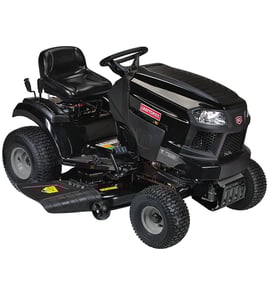


How much does it cost to replace a riding lawn mower engine?
For a Craftsman riding tractor like model 917273030, a complete engine replacement (parts plus labor) typically runs $260 to $1,800, with about 6 hours of labor for a riding mower. The final price depends on the engine type, any wiring or fuel-system repairs needed, and whether related wear parts are replaced at the same time.
What drives the total cost
- Engine price: new, rebuilt, or used engine options vary widely
- Labor time: removal, swap, alignment, and test run (often a half-day job)
- Extra parts: belts, wiring, fuel parts, and hardware often get replaced during the swap
- Electrical starting issues: a “bad engine” symptom is sometimes a starting circuit problem
- Shop rates: local labor rates and pickup/delivery fees
Before you replace the engine: quick checks that can save money
We recommend ruling out common no-start causes first, because they can look like engine failure.
- Verify the operator presence and interlock system works (seat switch, brake pedal, PTO disengaged)
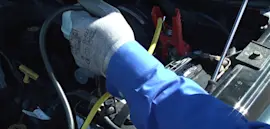
- Check battery connections and cables for corrosion and tightness
- Inspect the ignition key and switch operation; a worn key can cause intermittent contact
- Look for damaged wiring at the harness and around the frame
- If it cranks but will not start, check fuel quality and fuel delivery
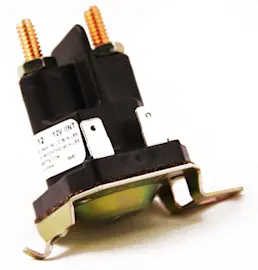
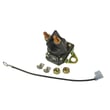
If your tractor will not crank and you suspect the starting circuit, a common replacement is the starter solenoid; see solenoid 532146154.
Typical cost breakdown (what you’re paying for)
| Item | Typical range | Notes |
|---|---|---|
| Engine (part) | $200 to $1,400+ | Biggest variable; depends on brand/spec and availability |
| Labor | $200 to $600+ | Often based on ~6 hours for riding mowers |
| “While you’re in there” parts | $20 to $200+ | Belts, hardware, wiring repairs, fuel line items |
Why it matters
An engine swap is one of the highest-cost repairs on a riding mower. Confirming the interlocks, wiring, and starting components first helps you avoid replacing a good engine and gets your Craftsman 917273030 back to reliable starting and safe operation.
For model-specific safety checks and operating requirements (including interlock behavior), use the 917273030 owner's manual. If you decide to move forward, you can order parts from the list for this model or search by model number on Sears PartsDirect.
Last updated: February 2026
What engine does Craftsman riding mower use?
The Craftsman garden tractor model 917273030 uses a gasoline engine with electric start; the exact engine make, model, and horsepower are listed in the Product Specifications section of the owner's manual. For parts and service work, we match everything to the tractor’s model number.
How to identify the exact engine on model 917273030
Use these checks so you get the right tune-up and fuel system parts:
- Look for the engine ID label on the blower housing or valve cover (often lists model, type, and code)
- Compare the engine label details to the Product Specifications in the owner's manual
- Confirm whether your tractor has a 46-inch mower deck and 6-speed setup (both are called out in the manual)
- If the engine has been replaced, use the engine label, not the tractor hood decal
- When ordering electrical parts, confirm your starting system is electric start
Common engine-related parts customers replace
If your tractor cranks slowly, will not crank, or the starter will not engage, these parts are frequent fixes:
- Solenoid 532146154 (starter solenoid)
- Molded ignition key 532140403 (key worn or broken)
- Ignition harness 583012901 (damaged wiring or loose connections)
Quick symptom guide
| Symptom | Most likely area | What to check first |
|---|---|---|
| No crank, no click | Key switch or wiring | Key condition, harness connections |
| Clicks but no crank | Solenoid or battery cables | Cable tightness, solenoid terminals |
| Cranks but will not start | Fuel or ignition | Fresh fuel, choke use, spark |
Why it matters
The same Craftsman tractor model can be paired with different engine variants over time. Using the engine ID label plus the owner's manual specs helps ensure the correct filters, ignition parts, and starting components.
For additional parts lookups by model number, search on Sears PartsDirect.
Last updated: February 2026
What are the parts of a lawn mower engine?
On the Craftsman 917273030 front-engine lawn tractor, the engine system is built around fuel delivery, air intake, ignition, lubrication, and exhaust components that work together to start, run, and make power. For the exact component layout and controls on your tractor, use the owner's manual.
Main engine components you will commonly see
These are the core parts found on most riding mower and lawn tractor engines (including the Briggs & Stratton engine used on this model):
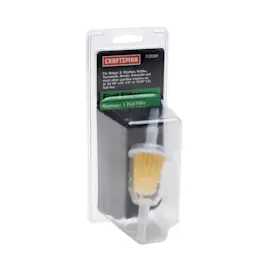
- Fuel system: fuel tank, fuel lines, in-line fuel filter, carburetor
- Air intake: air filter, intake housing, breather assembly
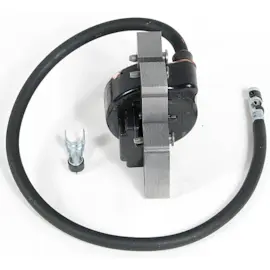
- Ignition system: ignition switch, ignition coil, spark plug, flywheel
- Lubrication: crankcase, engine oil, oil drain plug, oil filter (if equipped)
- Exhaust: muffler (sometimes with a spark arrester)
What the operator controls are (and why they matter)
Your tractor’s controls manage how the engine starts and runs, and how power is applied to the drive system and mower deck.
| Control | What it does | When you use it |
|---|---|---|
| Choke control | Enriches fuel mixture | Cold starts |
| Throttle control | Sets engine speed | Run at full throttle for best mowing and charging |
| Ignition switch | Starts and stops engine | Every start and shutdown |
| Attachment clutch switch (PTO) | Engages mower blades/attachments | When you want blades on |
Maintenance-related engine parts to watch
Many “engine problems” come down to routine service items.
- Replace the spark plug about every 100 hours or at the start of each mowing season
- Replace the in-line fuel filter once each season (or sooner if clogged)
- Keep the air filter clean to prevent power loss
- Check oil level and change oil on schedule to protect internal engine parts
Parts on this page that relate to engine starting and operation
If the engine will not crank, will not keep running, or the blades will not engage, these model-compatible parts are commonly involved:
- Solenoid 532146154 (starter circuit)
- Switch.pto.3 582107601 (blade engagement)
- Molded ignition key 532140403 (starting and security)
Why it matters
Knowing the engine’s major systems helps you troubleshoot faster. For example, “loss of power” is often tied to airflow (dirty air filter), fuel flow (clogged fuel filter), or ignition (worn spark plug), not a major engine failure.
Last updated: February 2026
What kind of oil do you use in a Craftsman lawn tractor?
For the Craftsman 917273030 front-engine lawn tractor, we use a high-quality detergent 4-cycle engine oil that meets API service classification SF, SG, or SH, and we choose the SAE viscosity based on the outdoor temperature (per the owner's manual).
Recommended oil type and viscosity
Your tractor’s manual calls out two key requirements: API rating and SAE viscosity.
- Use detergent 4-cycle engine oil (not 2-cycle oil)
- Look for API service classification SF, SG, or SH
- Pick the SAE viscosity grade based on expected temperatures
- Check oil level on level ground before starting
- Change oil every 50 hours or at least once a year
Quick viscosity guide (typical)
The manual directs you to match viscosity to temperature. In practice, these are common choices:
| Outdoor temperature | Common SAE choice | Why it’s used |
|---|---|---|
| Cold weather | 5W-30 | Easier starting and faster lubrication |
| Mild to warm weather | SAE 30 | Stable viscosity in warmer temps |
How to check and add engine oil (what we follow)
- Park the tractor on a level surface
- Remove the oil fill cap/dipstick, wipe it clean
- Reinsert dipstick (rest cap on tube, do not thread it), then read level
- Add oil slowly until it reaches the FULL mark
- Do not overfill; tighten the cap/dipstick securely
Don’t confuse engine oil with transaxle oil
This model also has a transaxle oil check procedure. The manual specifies SAE 30 motor oil (API SF, SG, or SH) for the transaxle when filling to the plug threads.
| Location | Fluid spec (from manual) | Notes |
|---|---|---|
| Engine crankcase | Detergent oil, API SF/SG/SH; viscosity by temperature | Check before use and every 8 hours |
| Transaxle | SAE 30 motor oil, API SF/SG/SH | Oil level even with plug threads |
Why it matters
Using the correct oil type and viscosity helps prevent hard starting, overheating, and accelerated engine wear, especially when mowing in hot weather or starting in cold temperatures.
Last updated: February 2026