Owner’s manual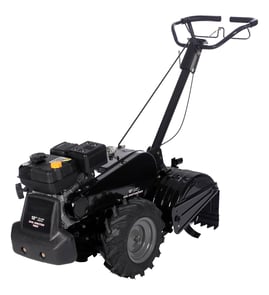


How deep does a rear tine tiller go?
On the Craftsman rear-tine tiller model 24729930, tilling depth is controlled by the depth stake and is adjustable in five settings. For first-time use and shallow cultivation, we set it to about 1 inch; for cultivating around plants, we typically use 1 to 2 inches.
Typical depth range and what to expect
Rear-tine tillers can work from shallow cultivation depth up to deeper soil-breaking passes, but the exact maximum depth depends on soil conditions, traction, and how you set the depth stake.
Common depth guidance from the manual:
- First-time use: about 1 inch (second adjustment hole from the top)
- Breaking up sod and shallow cultivation: about 1 inch
- Cultivating around plants: about 1 to 2 inches
- Deeper tilling: increase depth gradually over multiple passes (do not force it)
For the exact depth-stake positions and operating technique for your machine, use the 24729930 operator’s manual.
How we set depth on model 24729930
Depth is set with the depth stake (depth regulator) and should be adjusted with the engine off and the spark plug wire disconnected.
- Park on level ground
- Disconnect and ground the spark plug wire
- Pull the depth regulator lever back
- Slide it up or down to the notched height you want
- Start shallow, then deepen one setting at a time on later passes
Quick depth selection table
| Job | Recommended depth | Why |
|---|---|---|
| First pass in firm soil | ~1 in. | Helps you learn control and prevents bogging |
| Cultivating around plants | 1 to 2 in. | Reduces risk of damaging shallow roots |
| Breaking new ground | Increase gradually | Improves traction and reduces strain |
Why it matters
Setting the tilling depth correctly protects the engine and drive system, improves traction, and helps you avoid the common mistake of pushing down on the handlebars (which reduces wheel grip and can make the tiller harder to control).
Last updated: February 2026
Where is the model number on a Craftsman rear tine tiller?
On the Craftsman rear-tine tiller model 24729930, the model number is printed on the product identification label. On many rear-tine tillers, that label is typically placed on the tine shield/guard area, the engine area (often near the fuel tank), or on the front of the frame. Confirm the exact label location and format in the 24729930 owner's manual.
Quick places to check first
- Tine shield or tine guard behind the tines
- Front of the frame or transmission housing area
- Engine shroud area near the fuel tank
- Handle support area near the upper handle mounting points
- Any flat metal surface with a riveted or adhesive ID label
What the label usually shows
Most Craftsman tiller ID labels include a few key fields. Use the model number to match parts diagrams and order the correct belt, tine assemblies, or transmission components.
| Label item | What it’s used for | Example for this tiller |
|---|---|---|
| Model number | Identifies the exact tiller version for parts | 24729930 |
| Serial number | Identifies your specific unit | Varies by unit |
| Engine info | Helps match engine-specific service parts | 208cc engine (varies by engine model) |
Tips to read the tag accurately
- Wipe dirt and oil off the label with a rag before reading.
- Take a photo and zoom in; faded printing is easier to read on a phone.
- Write the number exactly as shown, including dots or dashes if present.
- If you are ordering drive components, match the model first, then confirm the part in the diagram (for example, the tiller drive belt 954-04091).
Why it matters
Craftsman rear-tine tillers can look similar across model families, but parts like the drive belt, tine assemblies, and transmission components are model-specific. Using 24729930 ensures you get the correct fit and avoids returns.
Last updated: February 2026
What are common tiller problems?
Common problems on the Craftsman 24729930 rear-tine tiller include an engine that will not start or runs poorly, overheating, the engine not shutting off, wheels and tines not turning together, and poor tilling performance. Many issues trace back to fuel, ignition, belt drive, or control engagement; use the 24729930 owner's manual to match symptoms to checks.
Most common symptoms and what they usually mean
- Engine fails to start: stale fuel, clogged fuel path, fouled spark plug, or a safety/control not in the correct position.
- Engine runs erratically: contaminated fuel, restricted airflow, or ignition maintenance needed.
- Engine overheats: debris around the engine or muffler, low oil, or heavy load.
- Wheels and tines will not turn: drive not engaged at the handle controls, or a worn/slipping drive belt.
- Tines turn but wheels do not (or the reverse): belt, pulley, or drivetrain engagement issue.
Quick checks we recommend first (safe and fast)
- Stop the engine and let all moving parts stop; disconnect and ground the spark plug wire before adjustments.
- Confirm you are engaging the drive correctly: pull the forward clutch bail up against the handlebar for forward motion and tine power.
- Check for obvious belt wear or glazing; a slipping belt is a common cause of weak drive.
- Clear debris from around the engine and muffler to reduce overheating risk.
- If you must move the tiller in reverse, do not till in reverse; lift the handlebars so the tines are off the ground.
Parts that commonly solve “no drive” or weak drive complaints
| Symptom | Most likely area | Example part for this model |
|---|---|---|
| Wheels and tines do not pull | Belt drive slipping/broken | Tiller drive belt 954-04091 |
| Poor tine action | Tines worn/bent | Tine assemblies (left/right) |
| Noise or binding in tine drive | Gearcase/drivetrain | Worm shaft or transmission components |
Why it matters
A rear-tine tiller can keep running while the wheels or tines are not properly engaged, which leads to poor soil breakup and extra wear on belts, pulleys, and drivetrain parts. Correct control use and basic maintenance prevent most repeat failures.
Last updated: February 2026
Are Craftsman rear tine tillers any good?
Yes. Craftsman rear-tine tillers like model 24729930 are a solid choice when you want strong digging power and better traction than a front-tine unit, especially for larger gardens and tougher soil. Long-term satisfaction depends most on routine maintenance and keeping wear parts (belts, tines, fasteners) in good condition; see the 24729930 operator’s manual.
What “good” usually means for a rear-tine tiller
Rear-tine tillers are built to do heavier work than small cultivators. In real-world use, “good” typically comes down to:
- Power and bite in hard ground (clay, compacted soil, rocky areas)
- Control and stability from the wheel-drive layout
- Serviceability (belts, tines, cables, and hardware are replaceable)
- Durability of wear items (tines and drive belt are normal maintenance parts)
Common strengths and common complaints
These are the most typical pros and cons we see with rear-tine tillers in this class.
| What you may like | What to watch for | What usually fixes it |
|---|---|---|
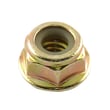
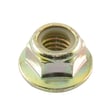
| Strong tilling performance | Vibration or handle flex | Tighten hardware; replace worn fasteners/washers |
| Good traction and depth control | Tines not behaving as expected | Verify control settings and cable adjustment per manual |
| Parts are serviceable | Wear parts need periodic replacement | Replace belt and/or tine assemblies when worn |
Parts that most affect performance on model 24729930
If performance drops, these model-matched parts are the first places we look:
- Tiller drive belt 954-04091 (slipping, no drive, weak tine engagement)
- Tiller tine assembly, left 642-04071-4044 (poor soil breakup, uneven tilling)
- Tiller tine assembly, right 642-04072-4044 (poor soil breakup, uneven tilling)
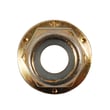
- Tiller click pin 714-0143A (attachment or wheel/tine setup not staying secured)
Why it matters
A rear-tine tiller can feel “bad” even when the machine is fundamentally strong if the belt is glazed, the tines are rounded, or hardware is loose. Keeping the drive system tight and the tines sharp restores performance and reduces strain on the transmission.
Last updated: February 2026
What kind of oil do you use in a Craftsman tiller?
For the Craftsman rear-tine tiller model 24729930, we use 4-cycle engine oil in the engine crankcase; SAE 30 is the common choice for warm-weather operation, and 10W-30 is a solid option when you expect cooler starts. For the exact oil type and fill level for your unit, follow the 24729930 owner's manual.
Choose the right oil for how you till
Use this as a practical guide for most Craftsman 4-cycle tiller engines:
- SAE 30: best for consistently warm temperatures
- 10W-30: better for variable temps and cooler mornings
- Use fresh, clean oil: old oil can cause hard starting and faster wear
- Do not overfill: too much oil can cause smoking and poor running
- Check level on a level surface: readings change if the tiller is tilted
How to check and add oil (quick steps)
- Shut the engine off and let it cool.
- Park the tiller on level ground.
- Remove the oil fill cap or dipstick.
- Add oil slowly, then recheck the level.
- Reinstall the cap or dipstick securely before starting.
Oil selection at a glance
| Situation | Recommended viscosity | Why it helps |
|---|---|---|
| Hot summer tilling | SAE 30 | Holds viscosity well in heat |
| Cool mornings, spring or fall | 10W-30 | Improves cold-start lubrication |
| Mixed conditions | 10W-30 | More flexible across temperature swings |
Why it matters
Correct engine oil viscosity protects internal parts (like the crankshaft and valve train), reduces overheating under load, and helps your Craftsman tiller maintain steady power when the tines are working hard in compacted soil.
Last updated: February 2026
How much does a Craftsman rear tine tiller weigh?
The Craftsman rear-tine tiller model 24729930 weighs 226 lb. Plan transport and storage around that full machine weight; it affects ramp capacity, tie-down points, and whether you need a second person or powered help. See the 24729930 operator's manual for handling and safety details.
Quick handling tips for a 226 lb rear-tine tiller
- Use a sturdy loading ramp or trailer gate rated well above the machine weight.
- Use two people for guiding and stabilizing; do not try to dead-lift the tiller.
- Keep the tiller upright during transport to help prevent fuel or oil leakage.
- Secure the handle and controls so they cannot fold or move while strapped down.
- Tie down the frame at two points (front and rear) so it cannot roll or pivot.
Weight planning guide
| Situation | What to plan for | What we recommend |
|---|---|---|
| Loading into a truck/trailer | Ramp rating and traction | Use a ramp rated above 226 lb; keep it dry and firmly supported |
| Moving across the yard | Stability on slopes | Move slowly, avoid side-hilling, and keep a firm grip on the handle |
| Storage | Floor strength and tip risk | Store on a flat surface; block wheels if needed to prevent rolling |
| Service/tilting | Preventing roll or tip | Shut off engine, let it cool, disconnect spark plug wire, then stabilize before tilting |
Why it matters
At 226 lb, a rear-tine tiller can shift quickly on ramps and uneven ground. Using the correct weight helps prevent tip-overs, protects the transmission and tine drive components, and reduces strain on the handle assembly.
If the tiller feels even heavier to move
- Clean packed soil from the tines and shields.
- Check tire pressure and confirm the wheels roll freely.
- Inspect the drive system for drag; a worn or damaged belt can affect movement. If you are diagnosing drive problems, the tiller drive belt 954-04091 is a common wear item.
Last updated: February 2026