Owner’s manual
 View engine


What is the typical lifespan of a gas snowblower?
For the Craftsman gas snowblower model 247888300, a realistic typical lifespan is 10 to 15 years with normal residential use and consistent maintenance. The operator guidance also notes an average useful life of 7 years or about 60 operating hours, which is a safety and wear benchmark rather than a hard “end of life.” See the 247888300 operator's manual.
Two different timeframes can both be true:
- Typical ownership lifespan (10 to 15 years): how long many gas snowblowers keep working well with good care.
- Average useful life (7 years or ~60 hours): a conservative inspection milestone tied to wear and safe operation.
- Actual lifespan varies most by: maintenance habits, storage conditions, and how often you run it in heavy, wet snow.
| Measure | Typical range | What it’s used for |
|---|---|---|
| Working lifespan (well maintained) | 10 to 15 years | Planning repairs and upkeep |
| “Average useful life” benchmark | 7 years or ~60 hours | Prompting annual safety inspections |
We see the biggest lifespan gains when owners stay ahead of fuel, oil, and wear items.
- Change engine oil on schedule (including the first change early in the season of use)
- Use fresh fuel and avoid storing fuel for long periods
- Keep the auger housing and chute clear of packed snow and ice after use
- Check and replace worn wear surfaces (skid shoes, shave plate) before they grind down
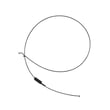
- Inspect belts, shear pins, and cables each season for wear and proper adjustment
- Hard starting even with fresh fuel and a good spark plug
- Loss of throwing distance or frequent clogging
- Excessive vibration that returns after tightening hardware
- Drive system slipping (friction wheel or drive belt wear)
- Repeated breakdowns in the same area (fuel system, drive, auger)
A snowblower that still “runs” can still be unsafe or unreliable if key systems are worn. Using the 7-year or ~60-hour benchmark as a trigger for a thorough inspection helps you decide whether routine maintenance is enough or if it’s time for deeper repairs.
Last updated: January 2026
How to tell if a snowblower auger belt is bad?
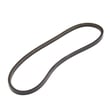
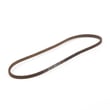
On the Craftsman snow thrower model 247888300, a bad auger belt usually shows up as poor snow throwing or augers that stop or slip under load, often with visible belt damage (cracks, fraying, glazing) or a rubber-burning smell. Confirm by inspecting the belt and verifying auger control cable tension per the 247888300 operator's manual.
- Augers turn slowly, stop in heavy snow, or only turn intermittently
- Snow discharge is weak even with the engine running at full throttle
- Squealing, chirping, or slapping noises from the belt cover area
- Burning rubber smell after engaging the auger control
- Visible belt damage: cracks, frayed edges, missing chunks, or a shiny glazed surface
- Shut the engine off, remove the key, and wait for all moving parts to stop.
- Remove the belt cover and inspect the belt surface and edges.
- Check belt tension indirectly by testing operation:
- Engage the auger control; augers should drive strongly.
- Release the auger control; augers should stop completely.
- If the augers do not fully stop when you release the control, adjust the auger control cable before assuming the belt is bad.
| What you see | What it usually causes | What to do next |
|---|---|---|
| Glazing (shiny belt) | Slipping, weak throwing | Replace belt; check pulleys for contamination |
| Cracks/fraying | Belt may slip or break soon | Replace belt |
| Belt looks OK but augers still slip | Cable out of adjustment or belt stretched | Adjust cable; re-test; replace if still slipping |
| Belt cover area smells like rubber | Belt slipping badly | Stop using; inspect belt and pulleys |
A slipping auger belt reduces throwing distance and can overheat, which accelerates belt wear and can leave you without auger drive mid-storm. Catching belt wear early helps protect the auger drive system and keeps performance consistent.
Last updated: January 2026
Where is the serial number on a snowblower?
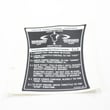
On the Craftsman snow thrower model 247888300, the serial number is on the model and serial number label (rating plate) attached to the machine. On most units, that label is on the rear of the snowblower near the handle support or back of the frame.
Start with these common label locations:
- Rear of the frame behind the engine
- Back of the handle support area (where the handles bolt to the frame)
- Rear panel area near the wheels or axle
- Side of the frame near the auger housing (less common)
If you find multiple stickers, look for the one that lists both Model No. and Serial No.
We recommend recording these items exactly as shown:
- Model number: 247888300
- Serial number: unique to your unit
- Date of purchase (helpful for maintenance records)
The 247888300 operator’s manual includes a place to record the model and serial number for your records.
| Label item | What it’s used for | Notes |
|---|---|---|
| Model number | Matches parts diagrams to your snowblower | Always use the full number |
| Serial number | Identifies your specific unit | Can help confirm variations |
| Date code (if present) | Helps date production runs | Not on every label |
Snowblower parts like belts, shear pins, skid shoes, and even decals can vary by production run. Having the correct serial number helps us narrow down compatible parts for your Craftsman 247888300.
Last updated: January 2026