Owner’s manual


What are common problems with Kenmore dryers?
Common problems we see on the Kenmore 11084836201 electric dryer include no heat, long dry times, not starting, and noisy or no-tumble operation. Many issues trace back to airflow (lint buildup or venting) or a worn drive system; use the 11084836201 owner's manual for model-specific checks.
Most common symptoms and likely causes
- Dryer will not start: tripped breaker, blown fuse, door not fully closed, failed start switch, or motor issue
- No heat: one side of the 240V supply is out, heating circuit problem, or a failed heater component
- Takes too long to dry: restricted venting, clogged lint screen, crushed or kinked duct, or weak airflow
- Noisy operation: worn drum support rollers, idler pulley, or blower wheel
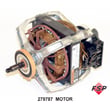
- Drum not turning: broken belt, failed idler pulley, seized roller, or motor problem
- Overheating: blocked venting or lint accumulation inside the cabinet
Quick checks we recommend first (safe, high-impact)
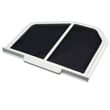
- Clean the lint screen before every load and remove lint buildup around the lint screen housing.
- Check that the exhaust hood outside opens freely and is not packed with lint.
- Use heavy metal venting; avoid plastic or foil vent.
- Make sure flexible metal vent is fully extended and not sagging or kinked.
- Confirm the dryer has two good fuses/breakers supplying power (electric dryers often use a 2-pole circuit).
Parts that commonly fix these problems on this model
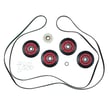
If symptoms point to wear in the drum support or drive system, these are frequent replacements for model 11084836201:
| Symptom | Common part to inspect | Example part for this model |
|---|---|---|
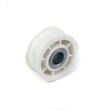
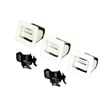
| Thumping, squealing, rumbling | Drum support rollers, idler pulley | Support WPW10314173, dryer idler pulley 279640 |
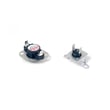
| No heat or weak heat | Heating element, thermal cut-off | Dryer heating element WP3387747, dryer thermal cut-off fuse kit 279973 |
| Poor airflow noise or rattling | Blower wheel | Dryer blower wheel WP697772 |
Why it matters
Airflow problems do more than slow drying; they can cause overheating, repeated thermal fuse failures, and extra wear on the motor and heater. Proper venting and routine lint removal are the fastest ways to improve performance and prevent repeat breakdowns.
Last updated: January 2026
Is it worth replacing the heating element in a dryer?
Yes, it’s usually worth replacing the heating element in a Kenmore electric dryer model 11084836201 when the dryer runs but won’t heat or takes much longer to dry. A new element often restores normal drying performance for far less than the cost of a replacement dryer.
When replacement makes sense
Replacing the heating element is a good call when the rest of the dryer is in solid shape and airflow is good.
- The drum tumbles normally but there’s little or no heat
- Drying times suddenly get much longer
- You’ve confirmed proper power supply (electric dryers typically use two fuses or breakers)
- The venting is clear and not crushed or kinked
- The dryer is otherwise quiet and operating normally
For model-specific operating checks and safety guidance, use the 11084836201 owner's manual.
Check these first (often it’s not the element)
Before buying parts, we recommend ruling out common “no heat” causes the manual calls out.
- Reset both dryer breakers (or replace both fuses if applicable)
- Clean the lint screen and confirm strong airflow at the outside hood
- Inspect the exhaust vent for lint buildup, kinks, or crushing
- Make sure you didn’t select an Air Dry or no-heat cycle
Quick decision table
| What you observe | Most likely direction | What we recommend |
|---|---|---|
| Drum turns, no heat | Power supply issue or failed heat circuit part | Check both breakers; then test heat components |
| Heat is weak, long dry times | Restricted airflow | Clean venting; verify airflow outside |
| Dryer heats sometimes | Thermostat/thermal fuse/element issue | Diagnose heat circuit; replace failed part |
Parts commonly involved in “no heat” repairs
If testing confirms the element is open (failed), the correct replacement for this model is the dryer heating element WP3387747. If the dryer overheated due to poor airflow, a thermal cut-off may also be involved.
- Heating element
- Thermal cut-off / thermal fuse
- Cycling thermostat or thermistor
- Venting and lint screen (airflow)
Why it matters
A failed heating element (or an airflow restriction) forces longer cycles, wastes energy, and can trigger overheating protection parts. Restoring proper heat and airflow gets drying times back to normal and helps protect fabrics.
Last updated: January 2026
How do I know if my dryer thermistor is bad?
On Kenmore electric dryer model 11084836201, a bad thermistor usually shows up as temperature problems: the dryer overheats and shuts down, runs but doesn’t heat correctly, or dries inconsistently because the control can’t “read” drum temperature accurately.
Common signs of a bad thermistor
- Dryer feels too hot to the touch on the cabinet or at the exhaust
- Clothes come out overdried (hot, stiff, shrinking) on Auto cycles
- Dryer shuts off mid-cycle (overheating protection may trip)
- Dryer runs but heat seems weak or erratic
- Dry times get longer, even with a clean lint screen and good airflow
Quick checks we recommend (safe, practical)
- Confirm airflow first: clean the lint screen, check the vent hose for kinks, and make sure the outside vent hood opens freely. Poor airflow can mimic a bad thermistor by causing overheating.
- Run a timed high-heat test: after about 5 minutes, you should feel heat when you open the door (the manual’s heat-check procedure is a good baseline). See the 11084836201 owner’s manual.
- Inspect wiring at the sensor: with power disconnected, look for loose connectors, corrosion, or heat-damaged terminals.
Thermistor vs. other common “heat control” failures
| Symptom | More likely cause | Example part for this model |
|---|---|---|
| Overheats, scorches clothes | Thermistor or restricted venting | Dryer thermistor WP8577274 |
| No heat at all | Heating circuit issue | Dryer heating element WP3387747 |
| Stops heating due to overtemp | Safety device opened | Dryer thermal cut-off fuse kit 279973 |
Why it matters
The thermistor helps the dryer regulate temperature for better fabric care and consistent drying. When it reads wrong, the dryer can overheat, overdry, or cycle heat unpredictably, which increases wear on clothing and components.
Last updated: January 2026
What is the average life of a Kenmore dryer?
Most Kenmore dryers, including the Kenmore 11084836201 electric dryer, typically last about 13 years with normal household use and basic maintenance. Keeping airflow strong (lint screen and venting) is the biggest factor in getting full life from the motor, heater, and drum support system.
What affects dryer lifespan the most
A dryer usually fails early because it runs too hot, runs too long, or has extra friction on the drum. We focus on these items first:
- Clean the lint screen before every load (airflow is everything).
- Keep the exhaust vent short, smooth, and clear; crushed or clogged venting overheats the heater and thermostats.
- Avoid overloading; heavy loads strain the drive motor and drum rollers.
- Stop using the dryer if you smell burning or hear grinding/squealing; friction can damage the drum and supports.
- Use the correct cycle and heat setting; Auto Dry reduces overdrying and heat stress.
Maintenance checklist (fast, high impact)
Use this schedule to keep your 11084836201 running cooler and quieter:
| Task | How often | Why it matters |
|---|---|---|
| Clean lint screen | Every load | Prevents overheating and long dry times |
| Check outside vent hood flap | Monthly | Confirms strong airflow and no blockage |
| Clean lint from cabinet interior | Yearly | Reduces fire risk and heat buildup |
| Inspect drum support and belt path | If noisy | Prevents wear to drum, belt, and motor |
For model-specific cleaning and care steps (including lint screen and interior cleaning), follow the 11084836201 owner's manual.
Common wear parts that can shorten life if ignored
If the dryer gets noisy, thumps, or squeals, addressing wear parts early helps prevent bigger damage.
- Drum support roller wear can cause rumbling and drum drag (see support WPW10314173).
- A weak idler pulley can squeal and affect belt tension.
- A restricted blower wheel can reduce airflow and increase heat.
- Overheating can damage thermal cut-offs and heating circuits.
Why it matters
A dryer that takes longer to dry runs hotter and longer, which accelerates wear on the heating element, thermistor/thermostats, and drive motor. Good airflow and early noise fixes are the simplest ways to reach (or beat) the typical 13-year lifespan.
Last updated: January 2026