Owner’s manual



What is the capacity of Samsung WF330ANW XAA?
The Samsung WF330ANW front-load washer has a 3.7 cu. ft. tub capacity, which is considered an ultra-capacity size for many households. For cycle-specific load guidance and fill recommendations, use the WF330ANW owner's manual.
What 3.7 cu. ft. means for everyday loads
A 3.7 cu. ft. washer like the Samsung WF330ANW typically handles larger loads with fewer cycles, which can save time and water.
- Fits a typical family-size mixed load (towels, jeans, shirts) in one wash
- Handles bulky items better than compact washers (comforters depend on thickness)
- Works best when you load loosely and do not pack items down
- Helps reduce out-of-balance spinning by allowing items to tumble freely
Quick capacity guide (typical)
| Load type | Typical fit in 3.7 cu. ft. | Best practice |
|---|---|---|
| Everyday mixed laundry | Large | Leave some space at the top for tumbling |
| Towels | Large | Mix sizes to improve balance |
| Bedding | Medium to large | Use a bulky/bedding cycle if available |
Tips to get the best results at this capacity
- Use HE detergent and measure carefully to avoid oversudsing
- Choose the right cycle for fabric type and soil level
- Balance heavy items (for example, wash one blanket with a few towels)
- If the washer shakes or bangs, re-distribute the load and re-start spin
- Keep the door boot area clean to prevent odor and residue buildup
Why it matters
Capacity affects cleaning performance, spin balance, and cycle efficiency. Loading the WF330ANW correctly helps protect key components like the suspension and spin system while improving rinse and spin results.
Last updated: January 2026
What is the lifespan of a Samsung Front-load Washer?
A Samsung front-load washer like model WF330ANW typically lasts 10 to 15 years with normal household use and basic maintenance. Reaching the high end usually comes down to preventing vibration damage, keeping the door boot clean, and avoiding chronic overloading (which stresses the motor and tub).
Typical lifespan and what affects it
Most front-load washers fall into a 10 to 15 year lifespan range. These factors have the biggest impact:
- Load size and balance: frequent overloading or unbalanced loads shorten bearing, suspension, and motor life
- Moisture control: leaving the door closed traps moisture and speeds up mold and seal wear
- Water quality: hard water increases detergent buildup and can affect valves and pressure sensing
- Spin vibration: repeated out-of-balance spinning wears shocks, springs, and tub components
- Routine cleaning: detergent residue and debris can lead to odors, draining issues, and extra strain
Maintenance that helps you reach 15 years
Use these habits for WF330ANW to extend service life:
- Keep the door slightly open between loads to dry the drum and door boot
- Wipe the door boot after washing bulky items or pet bedding
- Use HE detergent and measure carefully (too much causes buildup)
- Run a monthly cleaning cycle (hot cycle with washer cleaner)
- Level the washer and re-check if it starts vibrating or walking
Quick maintenance schedule
| Task | How often | Why it matters |
|---|---|---|
| Wipe door boot and glass | Weekly | Reduces mold, odor, and seal wear |
| Cleaning cycle | Monthly | Prevents detergent and soil buildup |
| Check leveling and vibration | Every 3 to 6 months | Protects shocks, tub, and bearings |
| Inspect fill hoses for bulges/cracks | Yearly | Prevents leaks and water damage |
Parts that commonly wear first on front-load washers
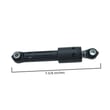
If the washer starts banging, vibrating, or walking during spin, suspension wear is a common cause. For this model, a frequent wear item is the shock absorber dc66-00470a.
Other common wear areas include:
- Door boot and clamps (leaks, odors)
- Door lock (won’t start or won’t unlock)
- Water inlet valve (slow fill, fill errors)
- Drain system (slow drain, standing water)
Why it matters
Knowing the expected lifespan helps you decide whether to repair or replace. If WF330ANW is within the 10 to 15 year window, replacing a targeted part is often a practical way to restore performance and prevent bigger failures.
For model-specific care and operating guidance, follow the WF330ANW manual.
Last updated: January 2026
What is the most common problem with Samsung washing machines?
The most common Samsung washer problems are draining issues and out-of-balance spinning, which show up as water left in the tub, long cycle times, or heavy vibration. On the Samsung WF330ANW, these symptoms are often tied to water supply, load size, leveling, and wear items described in the WF330ANW owner's manual.
Most common symptoms customers report
- Washer shakes, bangs, or “walks” during spin
- Won’t drain fully or stops with water in the tub
- Won’t fill, fills slowly, or fills with the wrong temperature
- Door won’t lock or cycle won’t start
- Intermittent stopping or error codes during the cycle
Quick checks we recommend first (no parts)
- Rebalance the load: mix large and small items; avoid washing one heavy item alone.
- Level the washer: all four feet firmly on the floor; tighten the lock nuts.
- Confirm water supply: both hot and cold valves fully open; hoses not kinked.
- Clean the drain path: check the drain hose for kinks and standpipe height; clean the pump filter if equipped.
- Run a maintenance clean: use a washer-clean cycle or hot cycle with washer cleaner to reduce residue.
When a part is commonly involved
If the basic checks do not fix it, these parts are frequent causes on front-load washers like the WF330ANW:
| Symptom | Common cause | Example part for WF330ANW |
|---|---|---|
| Loud vibration or banging | Worn suspension | Shock absorber dc66-00470a |
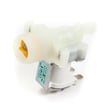
| Won’t fill or fills slowly | Restricted screens or failed valve | Washer water inlet valve DC62-30314K |
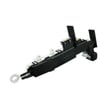
| Door won’t lock/start | Failed door lock | Washer door lock DC64-00519B |
Why it matters
Drain and balance problems can trigger repeated cycle interruptions, poor cleaning, and extra wear on the tub, motor, and suspension. Fixing the root cause early helps prevent bigger repairs and keeps spin performance stable.
Last updated: January 2026