Owner’s manual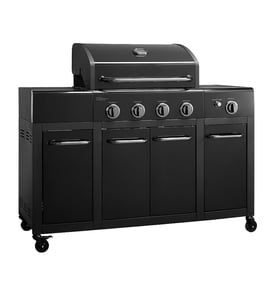




How do I find my Kenmore grill model number?
For your Kenmore gas grill, the model number is printed on the rating label attached to the grill body. On model 14634611410, it’s commonly found on the back panel of the grill base or inside the cabinet area; write it down exactly as shown before ordering parts.
Check these common label locations first:
- Back panel of the barbecue base (rear of the lower cabinet)
- Inside the cabinet (open the doors and look on the inner side panels)
- Side panel near the control panel area
- Frame rail near the tank holder area
- Under the side shelf area (if your grill has shelves)
The rating label usually includes several identifiers. Copy the model number exactly (including all digits).
| Label item | What it’s used for | Example of what to record |
|---|---|---|
| Model number | Ensures parts fit your exact grill | 14634611410 |
| Serial number | Helps with production variations | Letters and numbers |
| Fuel type | Confirms LP vs natural gas setup | LP or NG |
Kenmore grills can look similar across model families, but burner, ignition, and cabinet parts can vary by model number. Using the exact model number helps us match the correct diagrams and replacement parts the first time.
- Compare the model number on the label to the number on your paperwork (if available)
- Use the model number when referencing the 14634611410 owner’s manual
- If you’re replacing hardware during reassembly, match fasteners to the gas grill hardware pack 40100218
Last updated: January 2026
Is it worth fixing a gas grill?
Yes, it’s usually worth fixing a Kenmore gas grill model 14634611410 when the problem is limited to common wear items (ignition, burners, hardware, or cabinet pieces). Repairs typically cost far less than replacing the grill, and they restore safe, even heating when the firebox and frame are still solid.
We use these checkpoints to judge whether repair makes sense:
- The grill lights reliably (or can with a simple ignition fix)
- Burners heat evenly after cleaning or replacement
- The cabinet/frame is stable (no severe rust-through)
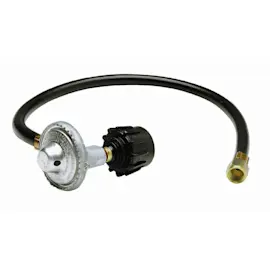
- Gas hoses and regulator show no cracking, kinks, or damage
- Replacement parts are available and reasonably priced
Repair is a good value when you’re dealing with issues like:
- Burner won’t light, but gas supply is good
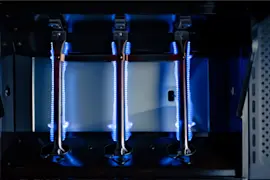
- Uneven heating from clogged burner ports
- Loose or wobbly cart components (often fixed with new hardware)
- Missing small retention parts that affect fit and alignment
Helpful references for this model include the 14634611410 owner's manual and our troubleshooting video guide gas grill wont ignite or light video.
Replacement is usually the smarter move if you see:
- Firebox is cracked or badly rusted through
- Multiple major components are failing at once (burners, valves, manifold, frame)
- Persistent gas smell that does not stop after shutting off the tank and checking connections
| Situation | Typical fix | Typical effort |
|---|---|---|
| Grill cart feels unstable | Replace missing/stripped fasteners | Low |
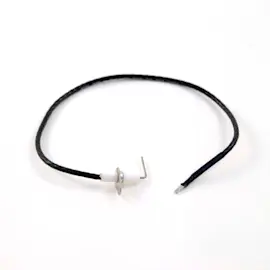
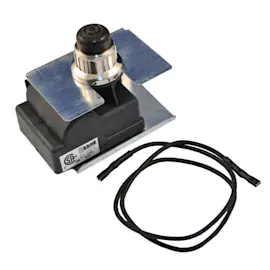
| Ignition won’t spark | Clean/replace ignition parts | Low to medium |
| Grill heats unevenly | Clean burner ports or replace burners | Medium |
| Heavy structural rust | Frame/firebox replacement | High (often not worth it) |
If your issue is mechanical (cart, shelves, mounting), these model-matched parts are often involved:
- Gas grill hardware pack 40100218 (fasteners and mounting hardware)
- Control panel 40100022 (if knobs/panel mounting is damaged)
A grill that lights inconsistently or heats unevenly wastes fuel and can create flare-ups. Fixing ignition, airflow, and stability issues helps you cook more evenly and reduces day-to-day safety risks.
Last updated: January 2026
What is the average lifespan of a gas grill?
A typical gas grill lasts 5 to 15 years, and higher-end grills can reach around 20 years with consistent cleaning and timely replacement of wear parts. For your Kenmore 14634611410 gas grill, following the maintenance steps in the 14634611410 owner's manual helps you get the longest service life.
- Heat and grease exposure: burners, heat shields, and the firebox area wear faster
- Corrosion: moisture, salt air, and stored grease accelerate rust
- Fuel system condition: regulator, valves, and hoses must stay clean and leak-free
- Cleaning frequency: clogged ports and grease buildup shorten burner life
- Storage habits: a covered, dry location reduces weather damage
- Brush grates and clear grease after each cook
- Deep-clean burners and the firebox periodically (especially if flames look uneven)
- Check for gas leaks with a soap-and-water test after reconnecting the LP tank
- Keep fasteners tight; replace missing hardware instead of improvising
- Protect the cabinet and frame from wobble and stress (especially if the grill is moved often)
| Component | Typical replacement timing | Common symptom |
|---|---|---|
| Burners / flame spreaders | 2 to 6 years | Uneven heat, weak flames |
| Ignition parts | 1 to 5 years | Clicking but no spark |
| Regulator / hose | 5 to 10 years | Low heat, surging flames |
| Cabinet/frame hardware | As needed | Wobble, misaligned doors |
If your grill is getting unstable or shifting when you roll it, replacing structural parts like the bbq-pro gas grill cabinet brace, lower 50500040 can help prevent stress that leads to premature wear.
Most “grill died early” problems come from restricted gas flow, clogged burner ports, or grease-related flare-ups. Preventive cleaning and quick part replacement usually cost less than replacing the entire grill.
Last updated: January 2026