


Should I spray my snowblower with WD-40?
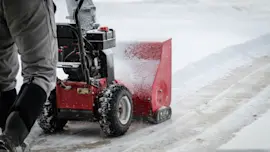
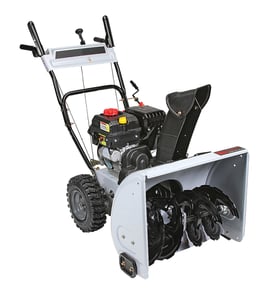
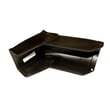
Yes, we use a light spray on the snow-contact surfaces of your Murray 627804X6A snowblower (mainly the discharge chute and chute deflector) to help reduce snow sticking and clogging. Keep it off belts, friction disc areas, and hot engine or muffler parts; apply it only to clean, dry metal or plastic.
Where it helps (and where it causes trouble)
Use a slick coating only where snow slides:
- Inside the discharge chute and on the chute deflector
- The impeller housing surfaces you can safely reach (engine off)
- The auger housing surfaces that contact snow (not the drive system)
Avoid spraying these areas because it can cause slipping, glazing, or damage:
- Drive belt and pulleys
- Friction disc and drive plate (common on many 2-stage units)
- Tires and traction surfaces
- Electrical connectors, switches, and the starter area
- Hot engine, muffler, or any fuel-related components
Best practice: what to spray instead
WD-40 can work as a short-term anti-stick coating, but for longer-lasting results we typically use a silicone-based spray on the chute.
| Option | Best use | Typical reapply frequency |
|---|---|---|
| Silicone spray | Anti-stick on chute and deflector | Every few uses or after wet snow |
| WD-40 type water-displacing spray | Quick anti-stick and light moisture protection | Often, especially in slushy conditions |
| Dry PTFE spray | Low-mess anti-stick on clean surfaces | Less often than WD-40 |
How to apply it safely
- Shut the engine off, remove the key (if equipped), and let everything cool.
- Brush off packed snow and wipe the chute dry.
- Spray a light, even coat; do not soak.
- Cycle the chute rotation and deflector to spread the coating.
- Put cardboard under the chute to protect your floor and reduce overspray.
Why it matters
A slick chute reduces clogging, improves throwing distance consistency, and helps prevent snow buildup that can overload the auger/impeller system during heavy, wet snow.
Parts note for this model
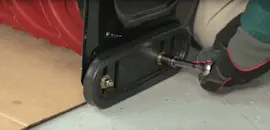
If you are servicing the electric start system or related hardware on the Murray 627804X6A, match fasteners exactly; using the wrong screw length can strip threads or interfere with moving parts. See screw 33329H for the exact listed hardware on this model page, and use Sears PartsDirect to search additional Murray 627804X6A parts by model number.
Last updated: February 2026
What is the typical lifespan of a gas snowblower?
A gas snowblower like the Murray 627804X6A typically lasts 10 to 20 years with normal residential use and consistent maintenance. Most failures that shorten lifespan come from neglected oil changes, worn belts, and corrosion from off-season storage.
Typical lifespan ranges (what we see most often)
- 10 to 20 years: common for well-maintained gas snowblowers
- 8 to 12 years: frequent when maintenance is irregular or storage is damp
- 15 to 20 years: common when the machine is serviced yearly and stored dry
| Usage and care level | Typical lifespan | What usually ends it |
|---|---|---|
| Light use, stored dry, serviced yearly | 15 to 20 years | Wear in auger/drive system, engine age |
| Average use, basic maintenance | 10 to 15 years | Belts, friction drive wear, carburetor issues |
| Heavy use, minimal maintenance | 8 to 12 years | Rust, drivetrain wear, repeated starting/fuel problems |
Maintenance that extends life the most
- Change engine oil on schedule and check oil level before each season
- Use fresh fuel and stabilize fuel before storage to reduce carburetor varnish
- Inspect and adjust drive and auger controls so belts do not slip or drag
- Keep shear pins, skid shoes, and scraper bar in good shape to prevent overload
- Wash off salt and slush, then dry the housing to prevent rust
When repair vs. replace makes sense
We recommend repairing when the machine still starts reliably and the auger/drive system is solid. Replacement becomes the better choice when repairs are frequent and the total repair cost approaches about half the snowblower’s value, or when it can no longer throw snow effectively even after tune-up.
Why it matters
A 27-inch, 8-hp class snow thrower depends on a healthy engine, tight belts, and a smooth drive system. Keeping those core systems maintained prevents expensive secondary damage and helps your Murray 627804X6A stay dependable through heavy storms.
Parts and help for your model
If you are tracking down a hardware or starter-related issue, we list model-compatible parts such as the screw 33329H. For additional part lookups by model number, we also support search on Sears PartsDirect.
Last updated: February 2026
Is it worth fixing a snowblower?
Yes, it’s worth fixing a snowblower when the repair is straightforward and the machine still has solid core components. For a Murray 627804X6A 27" 8-hp ultra snow thrower, we recommend repairing when the fix is a normal wear item or a single failed part, and replacing when repeated breakdowns or major drivetrain or engine damage drive costs too high.
Quick repair vs. replace checklist
Repair is the better choice when:
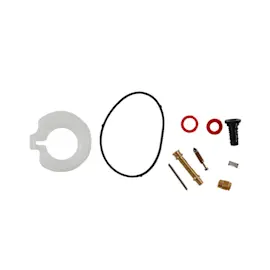
- It starts and runs well after basic tune-up work (fresh fuel, spark plug, clean carburetor).
- The auger and impeller turn smoothly and do not grind or bind.
- The drive system moves the unit forward and reverse without slipping.
- The issue is isolated (one broken fastener, belt, cable, skid shoe, or chute control problem).
- The frame and housing are solid (no major rust-through or cracked auger housing).
Replace is the better choice when:
- The engine has low compression, heavy smoking, or persistent no-start after carburetor service.
- The friction disc, gearbox, or auger drive has recurring failures.
- You have multiple systems failing at once (engine + drive + auger).
- Repair cost approaches the value of a comparable replacement machine.
A simple cost rule that works
We use this rule of thumb for most gas snowblowers:
| If the repair cost is… | And the snowblower condition is… | Our recommendation |
|---|---|---|
| Under ~25% of replacement cost | Otherwise solid | Fix it |
| ~25% to 50% | Mixed condition | Fix only if you need it this season |
| Over ~50% | Frequent breakdowns or major damage | Replace it |
Why it matters
A snowblower’s value is mostly in the engine, auger/impeller system, and drive components. If those are healthy, replacing smaller parts and hardware is usually the most cost-effective way to keep your Murray 627804X6A reliable through winter.
Parts note for this model
If your repair involves the electric starter hardware, match the fastener exactly to avoid stripped threads or loose mounting. The parts list for this model includes the screw 33329H, and you can also search by model number on Sears PartsDirect if you need additional Murray 627804X6A parts.
Last updated: February 2026
How much should I pay for a snow blower?
For most homeowners, a fair price for a snow blower is about $300 to $1,500, depending on whether you choose a single-stage or two-stage machine, the clearing width, and how heavy your typical snowfall is. Your Murray 627804X6A is a 27-inch, 8-hp class gas snow thrower, which fits the “mid-to-higher” end of typical homeowner capability.
Typical price ranges (what you get for the money)
- Under $300: small electric units; best for light snow and short sidewalks
- $300 to $800: many single-stage gas models; good for moderate snow and smaller driveways
- $800 to $1,500: many two-stage gas models; better for deeper snow and plow-packed berms
- $1,500 to $2,500+: premium two-stage or tracked units; built for frequent heavy snow and large areas
| Type | Best for | Typical clearing width | Typical price range |
|---|---|---|---|
| Single-stage (electric or gas) | Light to moderate snow | 18 to 22 in. | $200 to $800 |
| Two-stage (gas) | Moderate to heavy snow | 24 to 30 in. | $800 to $2,500+ |
What changes the price the most
- Snow type: wet, heavy snow and end-of-driveway piles require more machine
- Driveway size: longer and wider areas justify a larger two-stage unit
- Clearing width: wider housings cost more but reduce passes
- Power and build: larger engines, stronger auger/impeller systems, and heavier gearcases raise cost
- Convenience features: electric start, power steering, heated grips, and headlight packages add cost
Why it matters
Paying the right amount is really about matching the machine to your snowfall and workload. If you routinely clear deep or plow-packed snow, spending more up front on a two-stage gas unit usually saves time and reduces strain on belts, shear pins, and the drive system.
Parts and ownership costs to plan for
Even a great deal is only a deal if you can keep it running. For the Murray 627804X6A, plan for routine maintenance and occasional repairs, and order model-matched parts from the list for your machine or search by model on Sears PartsDirect. If you are servicing the electric start system, confirm the correct fasteners and mounting hardware, such as the screw 33329H.
Last updated: February 2026