Owner’s manual
 Error Codes


Is the Samsung 4.5 front load washer any good?
The Samsung WA40J3000AW is a top load washer (not a 4.5 cu. ft. front load model). For this model family, performance is typically strong for everyday loads when the washer is leveled correctly, the load is balanced, and routine cleaning is done; use the WA40J3000AW owner's manual to confirm features and cycle behavior.
A washer is “good” when it cleans well, spins out water consistently, and runs without excessive vibration.
- Cleans best with proper detergent amount and correct cycle selection
- Spins best when loads are evenly distributed (avoid single heavy items)
- Runs quieter when the cabinet is level and the floor is solid
- Stays fresher when the tub and dispenser are cleaned regularly
- Has fewer nuisance issues when hoses are not kinked and water pressure is steady
These are the same basics we use when troubleshooting complaints like shaking, poor spin, or long cycles.
| Symptom | Most common cause | Best first step |
|---|---|---|
| Excessive vibration or “walking” | Unlevel washer, uneven load | Level the legs; rebalance the load |
| Clothes too wet at end | Load out of balance, drain issue | Rebalance; verify drain hose height and flow |
| Slow fill or fill errors | Restricted screens, low pressure | Clean inlet screens; fully open valves |
| Odor | Residue buildup | Run cleaning cycle; clean dispenser and tub |
If the washer won’t drain or leaves water behind, the drain system is the first place to focus.
- Check for a kinked or crushed drain hose
- Confirm the standpipe is not clogged
- Listen for the drain pump running during drain
- If the pump runs but water does not move, inspect for blockage
- If the pump is noisy or not running, replacement is common on many washers
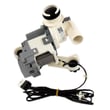
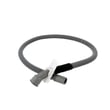
Helpful parts for drain-related symptoms on this model include the washer drain pump assembly dc97-19289f and the washer drain hose dc97-18682d.
Matching the review expectations to the correct washer type matters. Front load and top load washers differ in capacity, vibration behavior, and odor prevention routines; using the correct cycles and maintenance steps is what keeps the WA40J3000AW performing like a “good” washer.
Last updated: February 2026
Is the Samsung Model WA40J3000AW stackable?
No. The Samsung WA40J3000AW is a top-load washer, and top-load washers are not designed to be stacked with a dryer. For model-specific installation and clearance requirements, follow the WA40J3000AW owner's manual.
A washer is stackable only when the manufacturer designs it for stacking and supports it with a stacking kit.
- Stackable setups are typically front-load washers paired with a matching dryer
- A stacking kit is required (brackets and hardware that lock the units together)
- The washer cabinet and top panel must be reinforced for the dryer’s weight
- The installation instructions will explicitly describe stacking steps and parts
If you need to save space with a WA40J3000AW, these options work well without stacking:
- Place the dryer next to the washer (side-by-side)
- Move the pair into a closet or alcove with proper clearances and ventilation
- Use a wall shelf or cabinet above the washer for detergent and supplies
- Reduce vibration and walking by leveling the washer and balancing loads
| Setup | Works with WA40J3000AW? | What it requires |
|---|---|---|
| Stacked washer/dryer | No | Stackable front-load washer plus stacking kit |
| Side-by-side | Yes | Standard hookups and floor space |
| Laundry center (single unit) | No (different product) | A combined unit designed as one appliance |
Stacking a washer that is not designed for it can lead to excessive vibration, cabinet damage, and an unstable installation. Keeping the WA40J3000AW in a supported configuration helps it spin smoothly and protects internal components such as the suspension system.
Last updated: February 2026
What is the capacity of the WA40J3000AW?
The Samsung WA40J3000AW washer is a 4.0 cu. ft. class top-load washer. For the exact rated capacity and load guidance for your specific configuration, we recommend confirming it in the WA40J3000AW owner's manual.
A 4.0 cu. ft. class washer typically handles everyday family loads well. Use these as practical guidelines:
- Regular mixed load: about 2 to 3 baskets of clothing
- Towels/jeans: wash fewer heavy items per load to keep the basket balanced
- Bulky items (comforter/blanket): one bulky item at a time, loosely loaded
- Best results: load items evenly around the washplate, not piled in one spot
| Washer capacity class | Best for | Common load examples |
|---|---|---|
| 3.5 to 4.0 cu. ft. | Small to medium households | Mixed clothes, towels, sheets |
| 4.5 to 5.0+ cu. ft. | Larger households, bulky loads | Larger bedding, bigger weekly loads |
Capacity affects cleaning performance, spin balance, and wear on key components like the suspension and drive system. Overloading can lead to out-of-balance spinning, longer cycle times, and more vibration.
- Keep the load below the top row of holes in the basket (if visible)
- Leave hand-width space at the top so items can circulate
- Use HE detergent and measure carefully (too much can cause oversudsing)
- Choose the right cycle and water level for the fabric type
- If the washer bangs or walks, reduce load size and redistribute items
Last updated: February 2026
What is the most common problem with Samsung washers?
For Samsung washers like model WA40J3000AW, the most common problems we see are drain and spin issues caused by unbalanced loads, restricted draining, or a failing drain pump system. These problems typically show up as water left in the tub, loud banging, or the washer stopping before the final spin.
- Washer will not drain or drains slowly
- Stops mid-cycle or will not complete the final spin
- Loud thumping or walking during spin (out-of-balance)
- Wet clothes at the end of the cycle
- Error codes related to draining or imbalance (varies by model)
- Redistribute the load: bulky items (blankets, towels) can throw off balance.
- Confirm proper draining: make sure the drain hose is not kinked or pushed too far into the standpipe.
- Check for clogs: coins, lint, and small socks can restrict the drain path.
- Run a rinse and spin: helps confirm whether the issue is drain-related or balance-related.
- Review model-specific guidance in the WA40J3000AW manual.
If the washer is not draining, the drain system is the first place we look.
| Symptom | Most likely area | Example part for WA40J3000AW |
|---|---|---|
| Water left in tub | Drain pump not moving water | Washer drain pump assembly (DC97-17366A) |
| Slow drain, humming | Pump motor/impeller issue | Washer drain pump motor and impeller (DC31-00178A) |
| Leaks or poor drain flow | Drain hose kinked/cracked | Washer drain hose (DC97-18682A) |
Drain and spin problems are the issues that most often turn into bigger headaches: standing water can cause odor and residue buildup, and repeated out-of-balance spinning can stress suspension components (such as suspension rods) and shorten the washer’s usable life.
For model-specific error code meanings and what to check next, use our Samsung top load washer error codes resource.
Last updated: February 2026
What kind of warranty does the WA40J3000AW have?
The Samsung WA40J3000AW washer typically includes a 1-year limited warranty covering parts and labor for defects in materials or workmanship. For the exact coverage terms, exclusions, and how warranty service is handled, use the WA40J3000AW owner's manual.
Most washer warranties in this class focus on manufacturing defects, not wear-and-tear or installation issues.
- Parts and labor for covered defects during normal household use
- Failures that occur despite proper installation and operation
- Service performed by an authorized servicer (requirements vary)
- Coverage that starts from the original purchase date
These are common exclusions that often apply to washers like the Samsung WA40J3000AW.
- Damage from improper installation, leveling, or venting of the drain hose
- Clogs, slow draining, or leaks caused by coins, lint, or debris
- Cosmetic issues after delivery or normal discoloration
- Problems caused by overloading, incorrect detergent type, or misuse
- Wear items and maintenance-related issues
These steps help you confirm the issue is not a setup or maintenance problem.
- Verify the washer is level and stable on the floor
- Confirm hot and cold water supply valves are fully open
- Check inlet hoses for kinks and clean the inlet screens if flow is weak
- Make sure the drain hose is not pushed too far into the standpipe
- Run a rinse and spin cycle to see if the symptom repeats
| Situation | Typical next step | Common parts involved |
|---|---|---|
| Within 1 year and defect-related | Request warranty service | Control, motor, valve (varies) |
| Outside warranty or maintenance-related | DIY or technician repair | Drain pump, inlet valve, suspension |
Knowing whether you are inside the 1-year window helps you decide between scheduling warranty service or moving straight to troubleshooting and parts replacement. It also helps you avoid paying for repairs that should be covered.
Last updated: February 2026
What type of appliance is WA40J3000AW?
The Samsung WA40J3000AW is a washer, specifically a top-load washing machine. If you are confirming features, cycle options, or capacity for your exact unit, the quickest way is to match details in the WA40J3000AW owner's manual.
For model WA40J3000AW, the model information and parts category indicate it is a Samsung washer (not a dryer, refrigerator, or dishwasher). That matters because parts, error codes, and troubleshooting steps are washer-specific.
- Brand: Samsung
- Appliance type: washer
- Washer style: top load
- Common related systems: drain, fill, spin, lid lock
Knowing it is a top-load washer helps you choose the right repair path and parts group.
| What you’re doing | What to look up first | Example part on this model |
|---|---|---|
| Not draining | Drain pump, drain hose, drain errors | Washer drain pump assembly DC97-17366A |
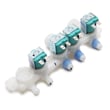
| Not filling | Water inlet valve, supply hoses, screens | Samsung washer water inlet valve DC97-15459H |
| Shaking/banging | Suspension, leveling, load size | Samsung washer suspension rod DC97-05280W |
| Won’t start/spin | Lid lock, control, balance issues | Washer door lock assembly DC34-00025A |
Washer diagnostics, error codes, and replacement parts differ a lot between top-load and front-load designs. Starting with the correct appliance type prevents ordering the wrong Samsung parts and speeds up troubleshooting.
Last updated: February 2026