Installation guide
 Owner’s manual


What is the average lifespan of a KitchenAid dishwasher?
A KitchenAid dishwasher like model KDTM354DSS5 typically lasts 10 years. With normal household use and basic care (keeping the filter area clean, using rinse aid, and avoiding chronic overloading), many units reach 9 to 14 years before major repairs become more common.
What affects lifespan most
- Water quality: hard water speeds up mineral buildup on the heating system and spray components.
- How often you run it: multiple loads daily adds wear to the pump, motor, and door parts.
- Installation quality: poor drain routing or loose anchoring can cause leaks, vibration, and premature failures.
- Routine cleaning: a dirty filter/sump area reduces wash performance and strains the circulation system.
- Detergent and rinse aid use: correct products help prevent residue and improve drying.
Typical lifespan by component (what usually wears first)
| Component area | Common wear sign | Typical timing |
|---|---|---|
| Door sealing and hinges | Leaks, door not closing smoothly | Mid-life to later-life |
| Rack hardware | Rack won’t roll or adjust | Mid-life |
| Wash system (pump/motor, spray) | Poor cleaning, unusual noise | Later-life |
| Drain system | Standing water, slow drain | Any time (often blockage-related) |
Maintenance that helps KDTM354DSS5 reach the high end of the range
Use the care steps in the KDTM354DSS5 user manual.
- Clean the filter area and remove debris from the sump regularly
- Check spray arm holes for clogs and clear them as needed
- Run a dishwasher cleaner cycle periodically to reduce odor and buildup
- Use rinse aid to improve drying and reduce spotting
- Fix small leaks early (door seals and gaskets are common culprits)
Why it matters
Once a dishwasher gets past about 10 years, repairs can shift from simple wear items to higher-cost components (pump/motor, controls). Knowing the typical lifespan helps you decide whether to maintain, repair, or plan for replacement.
Last updated: January 2026
Can I replace dishwasher parts myself?
Yes. For KitchenAid dishwasher model KDTM354DSS5, many common repairs are DIY-friendly if you shut off power and water first and follow the correct access and reassembly steps. We recommend starting with the KDTM354DSS5 installation instructions because it covers safe access-panel removal, electrical cautions, and final operation checks.
Good DIY repairs vs. call-a-pro repairs
Many KDTM354DSS5 fixes are mechanical and low-risk; others involve wiring, leak diagnosis, or heavy components.
- Good DIY candidates
- Rack hardware (rollers, adjusters, clips)
- Door latch and strike alignment
- Door seals and gaskets
- Drain hose replacement (when you can reach clamps safely)
- Usually better for a technician
- Direct-wire electrical connections
- Control board or console diagnosis
- Pump and motor assembly replacement
- Leaks that continue after seal or hose replacement
Safety steps we recommend first
Before you remove any panels or hoses:
- Turn power off at the breaker (do not rely on the control panel)
- Shut water supply off under the sink
- Expect residual water; keep towels and a shallow pan ready
- Take photos of wire routing and hose positions before removal
- Recheck for leaks and proper operation after reassembly
Examples of compatible parts DIYers often replace
These are examples of parts listed for KDTM354DSS5 that commonly come up in DIY repairs.
| Common issue | What to inspect/replace | Example compatible part |
|---|---|---|
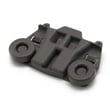
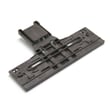
| Lower rack won’t roll smoothly | Lower rack rollers | Dishwasher dishrack roller assembly, lower WPW10195417 |
| Door won’t latch or pops open | Latch mechanism | Dishwasher door latch WPW10653840 |
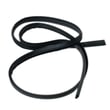
| Drips or leaks at the door edge | Door seal/gasket | Tub gasket W11177741 |
Why it matters
Dishwashers combine electricity, water, and sharp metal panels. Using model-correct steps and compatible parts helps prevent leaks, door alignment problems, and wiring mistakes that can turn a small repair into a bigger one.
Last updated: January 2026
Does a KitchenAid dishwasher have a filter to clean out?
Yes. The KitchenAid KDTM354DSS5 dishwasher uses a filtration area in the bottom of the tub to help capture food soil; it may need periodic cleaning if you notice grit, odor, or reduced cleaning. For the exact steps and illustrations for your unit, use the KDTM354DSS5 owner’s manual.
Where you’ll access the filter area
On KDTM354DSS5, filter access is from inside the dishwasher tub at the bottom, around the sump and lower spray arm area. The exact filter style and removal method can vary by design, so we recommend following the model-specific instructions.
- Remove the lower rack for working room
- Look at the tub floor area around the lower spray arm base
- Remove any visible debris (labels, glass, bones) by hand
- If your model has a removable filter assembly, take it out as shown in the manual
- Rinse the filter parts with warm water; use a soft brush if needed
- Reinstall and lock/seat the filter fully so it seals and doesn’t rattle
How often to clean it
KDTM354DSS5 doesn’t have a single universal interval printed in the installation instructions; in practice, cleaning frequency depends on soil level and whether you pre-rinse.
| Usage pattern | Practical check/clean interval |
|---|---|
| Heavy soil, no pre-rinse | Every 1 to 2 weeks |
| Typical daily use | About monthly |
| Light soil, frequent pre-rinse | Every 1 to 2 months |
If cleaning doesn’t improve washing
If dishes are still gritty or not getting clean, the issue is often spray coverage or water flow.
- Confirm the spray arms spin freely and the holes are clear
- Avoid blocking the lower spray arm with tall pans
- Run hot water at the sink before starting to improve wash temperature
- Use fresh detergent and the correct cycle options
- If the lower spray arm is damaged or won’t clear, replace the dishwasher spray arm WPW10448645
Why it matters
A clogged filter or debris in the sump can restrict circulation, reduce spray pressure, leave residue on dishes, and contribute to odor. Keeping the filtration area clear helps the pump and spray arms perform normally.
Last updated: January 2026