Owner’s manual
 View engine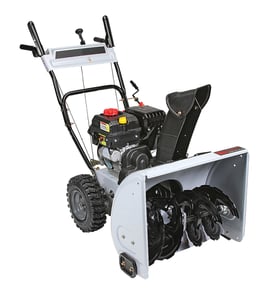


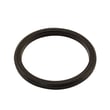
How to tell if a snowblower auger belt is bad?
On the Craftsman snow thrower model 247883550, a bad auger belt usually shows up as poor snow-throwing performance (augers slip, stop, or throw weakly) and/or visible belt damage like cracks, fraying, glazing, or missing chunks. Confirm with the belt inspection and auger engagement checks in the 247883550 operator's manual.
Quick signs your auger belt is failing
- Augers hesitate, slip, or stop under load even though the engine runs normally
- Snow discharge is weak or inconsistent (impeller is not being driven strongly)
- Burning rubber smell after engaging the auger control
- Belt looks shiny/glazed on the sides (heat and slipping)
- Cracks across the ribs, frayed edges, or rubber dust near pulleys
How we recommend checking it (safe, practical steps)
- Shut the engine off, remove the ignition key, and let all moving parts stop.
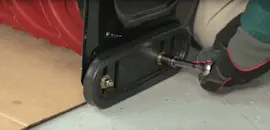
- Remove the belt cover and visually inspect the auger belt for glazing, cracks, fraying, or missing material.
- Check belt tension indirectly by engaging the auger control; the cable should have very little slack when disengaged, but should not be tight.
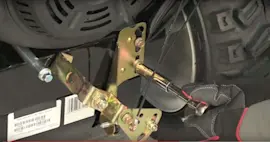
- If the belt looks OK but the auger still slips, verify the auger control cable adjustment (a loose cable can mimic a “bad belt”).
What to replace vs. what to adjust
| Symptom | Most likely cause | What to do next |
|---|---|---|
| Belt looks cracked/frayed/glazed | Worn belt | Replace the belt |
| Belt looks OK but auger slips | Cable out of adjustment | Adjust auger control cable, then retest |
| Belt burns repeatedly | Slipping from wear or misadjustment | Inspect pulleys/idler, confirm cable adjustment, replace belt if worn |
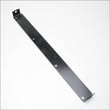
If you need the correct replacement for this model, use the model-matched belt 256963 (listed as an auger drive belt for this snowblower).
Why it matters
A slipping auger belt reduces snow-throwing distance and can overheat, which accelerates belt failure and can stress pulleys, the idler/brake bracket, and the auger drive system.
Last updated: January 2026
Is it cheaper to repair or replace a snowblower?
For the Craftsman snow thrower model 247883550, it’s usually cheaper to repair when the fix is a normal wear item or a single, clear failure; replacement makes more sense when repair costs approach about half the price of a comparable new snowblower or when major drivetrain or engine problems keep recurring.
A practical cost rule we use
A simple way to decide is to compare the total repair cost (parts + labor + any pickup/diagnostic fees) to the cost of a similar new machine.
- Repair when the total is under ~50% of replacement cost and the unit is otherwise solid
- Replace when the total is ~50% or more, or when multiple systems are failing
- Lean toward repair if you can DIY the work safely using the 247883550 operator’s manual
Common “repair” scenarios for this model
These are typical, cost-effective repairs on a gas snowblower like the 247883550:
- Worn or slipping auger/drive belt
- Routine tune-up items (spark plug, oil change, fuel system cleaning)
- Cable adjustments (drive or auger control)
- Chute control issues (binding, misadjustment)
If your auger drive belt is worn or stretched, a compatible replacement for this model is the belt 256963.
When replacement is usually the better value
Replacement often wins when the problem is expensive, repeated, or structural:
- Major engine damage (low compression, internal failure)
- Transmission/drive system failures that require multiple parts and labor
- Severe rust or housing damage that affects safe operation
- Frequent breakdowns that create ongoing repair bills
Quick comparison table
| Situation | Usually cheaper | Why |
|---|---|---|
| One clear issue (belt, cable, plug) | Repair | Low parts cost, fast fix |
| Multiple issues across systems | Replace | Costs stack up quickly |
| DIY capable with basic tools | Repair | Labor savings are significant |
| Major engine or drivetrain failure | Replace | High labor and parts cost |
Why it matters
A snowblower that starts reliably and drives/throws snow correctly is a safety and time-saver in winter. Spending a little on maintenance and a targeted repair can extend the life of the 247883550, but sinking large money into repeated major failures rarely pays back.
Last updated: January 2026
What is the typical lifespan of a gas snowblower?
A gas snowblower commonly lasts about 10 to 20 years when it’s maintained and stored correctly. For Craftsman model 247883550, the most reliable model-specific guidance is to follow the maintenance schedule and off-season storage steps in the 247883550 operator’s manual to help maximize service life.
What most affects lifespan
- Fuel habits: use fresh fuel and prevent stale fuel during storage
- Oil service: check oil before use and change it on schedule
- Lubrication: keep the auger shaft, hex shaft, and pivots lubricated
- Wear items: replace belts, skid shoes, shave plate, and shear pins as they wear
- Storage: store dry and protected to reduce corrosion and carburetor issues
Typical lifespan ranges (general guidance)
| Use and care level | Common lifespan range | What you’ll usually notice |
|---|---|---|
| Light use + consistent maintenance | 15 to 20+ years | Easier starting, fewer mid-season failures |
| Average homeowner use + basic upkeep | 10 to 15 years | Periodic repairs (belts, cables, friction wheel rubber) |
| Poor fuel storage or skipped maintenance | 5 to 10 years | Hard starting, surging, weak drive or auger performance |
Parts that can shorten lifespan if ignored
On model 247883550, a worn auger drive belt can reduce auger engagement and snow-throwing performance. If you notice slipping, squealing, or weak auger action, inspect and replace the belt 256963 if it’s worn.
Why it matters
Most “early failures” are preventable. Good fuel storage, routine oil changes, and timely replacement of wear parts help protect the engine, auger/impeller system, and drive system so the snowblower is ready when you need it.
Last updated: January 2026