 Installation guide
 Owner’s manual




What is the average lifespan of a GE dishwasher?
A GE dishwasher typically lasts 10 to 12 years. For your specific GE GSD3360D35SS, that same 10 to 12-year average is the best expectation; actual lifespan depends most on water quality, how often you run cycles, and routine cleaning described in the GSD3360D35SS owner’s manual.
What affects lifespan the most
- Hard water scale buildup can stress the water valve, heater, and pump.
- Heavy daily use (multiple loads per day) increases wear on the motor and seals.
- Poor draining (clogs, disposer plug left in, no high drain loop) can strain the drain system.
- Overloading can damage racks and reduce wash performance.
- Skipping basic cleaning (filters, spray arms, sump area) leads to recurring performance issues.
Quick care checklist (helps you reach the high end of the range)
- Run hot water at the sink first so incoming water is hot (GE recommends 120°F to 150°F).
- Use dishwasher detergent only; avoid hand dish soap to prevent suds and leaks.
- Keep the spray arms clear; remove labels, seeds, and debris from holes.
- Check the drain path and air gap (if you have one) when draining slows.
- Replace worn sealing parts early if you notice leaks; for example, a failing door seal can shorten overall life.
Common “end-of-life” symptoms vs. repairable issues
| What you notice | Often repairable? | Typical next step |
|---|---|---|
| Poor cleaning, gritty dishes | Yes | Clean filters and spray arms; check pump circulation |
| Won’t drain | Often | Check air gap/high loop; inspect drain components |
| Leaking at the door | Often | Inspect/replace the dishwasher door seal WD08X10057 |
| Loud grinding or no wash action | Sometimes | Inspect pump/impeller area; consider motor/pump repair |
Why it matters
Knowing the typical 10 to 12-year lifespan helps you decide whether to invest in a repair (like a seal or pump component) or plan for replacement, especially if multiple issues show up close together.
Last updated: January 2026
What is the most common problem with GE dishwashers?
For the GE GSD3360D35SS dishwasher, the most common problems we see are draining issues (water left in the tub), not starting or stopping mid-cycle (often door-latch related), and leaks. These symptoms are frequently caused by clogs, a stuck float, or a failing drain or wash component; see the GSD3360D35SS owner’s manual.
Most common issues (and what they usually point to)
- Won’t drain / water standing in the bottom: clogged drain path, air gap or disposer plug issue, drain hose restriction, or a drain mechanism problem
- Won’t start / no run: power supply issue, door not latching, or a failed door switch
- Poor cleaning: low water temperature, blocked spray arm holes, or circulation/pump performance problems
- Leaks: door seal wear, tub corner baffles, or loose hose connections
- Drying complaints: low incoming water temp, rinse aid empty, or heated dry not selected
Quick checks you can do first (GSD3360D35SS)
- Confirm the dishwasher is getting power (breaker, wall switch if used).
- Make sure the door closes and latches firmly.
- Check for standing water and clear obvious debris in the tub bottom area.
- Verify hot water is at least 120°F at the sink before starting a cycle.
- If draining is poor, confirm the drain setup uses an air gap or high drain loop; see the GSD3360D35SS installation instructions.
Common symptom-to-part mapping
| Symptom | Most likely area | Example compatible part for this model |
|---|---|---|
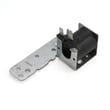
| Water won’t pump out | Drain system | GE dishwasher drain solenoid assembly WD21X10268 |
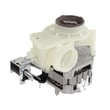
| Not cleaning well | Wash circulation | GE dishwasher pump and motor assembly WD26X10051 |
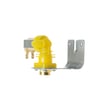
| Not filling or fills oddly | Water inlet/overfill protection | Dishwasher water inlet valve (check parts list for your exact match) |
Why it matters
Catching the “most common” issues early helps prevent repeat cycle failures, odors from standing water, and cabinet damage from slow leaks. On the GSD3360D35SS, many problems start with simple airflow/drain routing or a door-latch condition that stops the cycle.
Last updated: January 2026
How to clean out the filter on a GE dishwasher?
On the GE GSD3360D35SS dishwasher, “cleaning the filter” typically means clearing debris from the sump area and cleaning the extra-fine filtration piece so water can circulate and drain correctly. For model-specific care and cleaning details, use the GSD3360D35SS owner’s manual.
How to clean the filter area (sump + extra-fine filter)
- Turn the dishwasher off; let it cool if it just ran.
- Pull out the lower rack.
- At the tub bottom, remove any visible debris from the sump area (food, labels, glass).
- Locate the filtration components in the sump area; this design uses a coarse stage (sump cover area) plus an extra-fine filter stage.
- Remove the extra-fine filter piece (if your configuration allows removal) and rinse it under warm water; use a soft brush for buildup.
- Reinstall the filter components securely, reinstall the lower rack, then run a RINSE ONLY cycle to confirm normal draining.
Tips that prevent repeat clogs
- Scrape heavy food soils off dishes before loading.
- Avoid sharp tools that can damage plastic screens or seals.
- If you see standing water, check the sink drain, disposer, and air gap (if installed).
- If wash pressure seems weak, clean spray arm holes.
When a part may need replacement
If the extra-fine filter is cracked, warped, or will not seat, replacing it is often the most reliable fix.
| What you’re cleaning/checking | Stage | What it affects | Common symptom |
|---|---|---|---|
| Sump area and sump cover area | Coarse | Keeps large debris away from the pump | Odor, slow drain |
| Extra-fine filter | Fine | Keeps grit out of circulation | Grit on dishes, poor cleaning |
Model-compatible part to consider:
Why it matters
A clogged sump or extra-fine filter restricts water flow, which can redeposit food particles, reduce cleaning performance, and strain the pump and motor assembly.
Last updated: January 2026
Can a clogged drain cause an FTD error?
On the GE GSD3360D35SS dishwasher, we can’t confirm an “FTD” error code from the model’s documentation because this model’s manual describes status and error indications using lights and beeping patterns, not an FTD display. That said, a clogged drain can absolutely cause drain and fill-related problems such as standing water, poor washing, or a cycle that won’t complete.
What the manual says for this model
The troubleshooting section for GSD3360D35SS focuses on symptoms like “water won’t pump out of the tub” and points to drain restrictions (air gap, sink drain, disposer) as common causes. See the troubleshooting charts in the GSD3360D35SS owner’s manual.
Quick checks that often fix “won’t drain” symptoms
- Cancel or reset the cycle and let the unit pump out, then restart.
- Check whether the kitchen sink drains normally; a backed-up sink can block dishwasher draining.
- Clean the air gap (if your installation has one).
- If draining through a disposer, run the disposer and confirm the disposer inlet plug was removed.
- Inspect the drain hose for kinks, crushing, or a low sag that traps water.
Drain setup details that matter
Correct drain routing helps prevent backflow and slow draining. The GSD3360D35SS installation instructions explain when an air gap is required and how to route a high drain loop.
| Drain setup item | Correct setup | What goes wrong |
|---|---|---|
| Air gap (if used/required) | Clear passage and cap | Food debris blockage |
| High drain loop | Hose secured high under countertop | Low loop allows backflow |
| Disposer connection | Inlet plug removed | Plug left in place |
When a dishwasher part may be involved
If the plumbing and hose are clear but the dishwasher still won’t drain, a drain component may be sticking or failing.
Common drain-related parts for this model include:
- GE dishwasher drain solenoid assembly WD21X10268 (actuates the drain mechanism on many GE designs)
- Dishwasher drain hose WD24X10014 (can kink, collapse, or clog internally)
Why it matters
Standing water can lead to odors, poor cleaning, and repeated cycle interruptions. Verifying the drain path first helps restore normal operation and avoids replacing parts unnecessarily.
Last updated: January 2026





