Owner’s manual
 Error Codes



What is the most common problem with LG refrigerators?
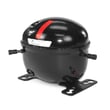
Cooling problems are the most common issue we see on LG refrigerators, including the LG LFX25973ST; symptoms include a warm fresh food section, a warming freezer, or temperatures that swing even though the unit is running. The most frequent root causes are compressor or sealed-system cooling failures, airflow restrictions, or door sealing problems.
What you’ll usually notice first
- Food spoils faster or drinks are not getting cold
- Freezer items soften or refreeze with frost buildup
- The refrigerator runs constantly or cycles oddly
- New or louder humming, buzzing, or clicking sounds
- Ice maker and water dispenser performance drops when temps rise
Common causes and what to check (in order)
- Airflow and loading: Make sure vents are not blocked by food; poor airflow can mimic a major cooling failure.
- Door sealing: Inspect gaskets for gaps, rips, or areas that do not grip the cabinet.
- Condenser area: Dust buildup and poor ventilation can raise temps and increase run time.
- Water and ice issues: A clogged filter or low water flow can look like an ice maker failure.
- Compressor or sealed system: If the unit runs but won’t cool, this is the most common “big repair” category.
Parts that commonly relate to these symptoms on LFX25973ST
| Symptom | Likely area | Example part for this model |
|---|---|---|
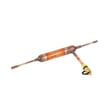
| Warm fridge/freezer, long run time | Sealed system/compressor | Refrigerator compressor TCA38091801 |
| Door not closing or warm air leaks | Door sealing | Refrigerator door gasket, right ADX73550624 |
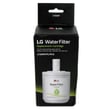
| Ice maker slow or no ice (temps OK) | Water supply/filtration | LG lt500p refrigerator water filter ADQ72910911 |
Why it matters
A refrigerator that is even 5 to 10 degrees too warm forces longer run times, increases energy use, and can trigger secondary complaints like weak ice production, frost buildup, and moisture around doors. Addressing airflow and door sealing early can prevent bigger cooling strain.
Best next steps
- Confirm your temperature settings and operating guidance in the LFX25973ST owner’s manual
- Clean around the condenser area and verify the unit has proper clearance
- Check door alignment and gasket contact all the way around
- If the unit runs but won’t cool after basic checks, plan for compressor or sealed-system diagnosis by a technician
Last updated: January 2026
What do you call the bottom part of the refrigerator?
On an LG LFX25973ST bottom-mount refrigerator, the “bottom part” usually means either the lower freezer compartment (the bottom drawer area) or the lower rear/base area where key cooling components like the compressor and condenser system sit behind a cover or kickplate.
Common names for the “bottom part”
Depending on what you’re pointing to, people commonly call it:
- Bottom freezer compartment (freezer drawer area)
- Kickplate or toe grille (front lower cover)
- Machine compartment (lower back/base area where cooling parts live)
- Compressor compartment (area around the compressor)
- Crisper drawer area (lowest drawers in the fresh food section)
What’s typically located down there
Here are the most common “bottom” areas and what they contain.
| Bottom area you mean | What it does | Parts you may see there |
|---|---|---|
| Freezer drawer (bottom compartment) | Stores frozen food; routes cold air | Ice maker components, rails, door seals |
| Front base (kickplate/toe grille) | Covers and protects lower components; helps airflow | Vents, access cover |
| Lower rear/base (machine compartment) | Runs the cooling system and releases heat | Compressor, condenser coil, fan, control board |
Parts that relate to the lower base area (examples)
If you mean the “bottom back” where the refrigerator runs and vents heat, these model-matched parts are commonly involved:
- Refrigerator compressor TCA38091801
- Refrigerator condenser coil ACG73784701
- Refrigerator condenser fan motor assembly EAU61723501
Why it matters
Using the right term helps you get the right diagram, troubleshooting steps, and replacement part. For example, a “freezer drawer” issue points to door gaskets and rails, while a “machine compartment” issue points to airflow, condenser cleaning, and cooling-system components.
For location diagrams and access steps specific to LG LFX25973ST, use the LFX25973ST manual.
Last updated: January 2026
What is the advantage of a bottom mount fridge?
A bottom-mount refrigerator puts the freezer on the bottom and the fresh-food compartment on top, so everyday refrigerated items sit at a more comfortable height with less bending. The LG LFX25973ST uses this same freezer-below layout (often in a French door style).
Key advantages of bottom-freezer (bottom-mount) design
- Fresh-food shelves are closer to eye level for faster grab-and-go access.
- Less bending for commonly used items like milk, produce, and leftovers.
- Freezer storage is typically a pull-out drawer, which helps organize bulky frozen foods.
- Better visibility in the refrigerator section because it is the top compartment.
- Works well for households that use refrigerated foods more often than frozen.
Bottom-freezer vs top-freezer: quick comparison
| Feature | Bottom-freezer (bottom-mount) | Top-freezer |
|---|---|---|
| Fresh-food access | Higher, easier reach | Lower, more bending |
| Freezer access | Pull-out drawer | Swing door |
| Best fit for | Fresh-food heavy use | Frozen-food heavy use |
Tips to get the most benefit
- Keep daily-use items between waist and eye level.
- Use crispers for produce you want to see and rotate often.
- Group freezer foods by type (meals, meats, ice cream) to reduce door-open time.
- If doors do not seal tightly, address it quickly to prevent temperature swings; a worn gasket can cause warm spots and frost.
Why it matters
Most kitchens open the refrigerator compartment far more than the freezer. A bottom-freezer layout reduces strain during frequent use and helps keep fresh foods visible, organized, and used before they spoil.
For the exact compartment layout and features on your LG LFX25973ST, follow the diagrams and storage guidance in the LFX25973ST owner's manual.
Last updated: January 2026