Installation guide
 Owner’s manual
 Error Codes


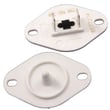
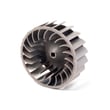
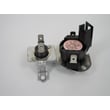
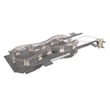
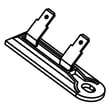
Can I search for Whirlpool parts by model?
Yes. For Whirlpool dryer model WED75HEFW0, searching by the full model number is the most accurate way to get compatible replacement parts because it filters results to the exact diagrams and components used on your dryer. Use the model number from the rating label and confirm details in the WED75HEFW0 installation guide.
How to search parts by model number (best practice)
- Enter WED75HEFW0 exactly as shown on the dryer’s model/serial tag.
- Use the parts diagram sections to narrow down the location (cabinet, drum, blower, heater, door).
- Match the part by part name and part ID, not just by appearance.
- If multiple versions appear, compare notes like “replaces” or “substitute” before ordering.
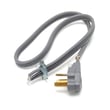
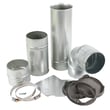
- For installation-related items (cord, venting, clamps), verify requirements before buying.
Common WED75HEFW0 parts customers search for
If you are troubleshooting noise, no heat, or long dry times, these are frequent matches for this model:
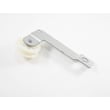
- Dryer drum support roller WPW10314173 (squealing, thumping)
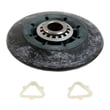
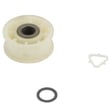
- Dryer idler pulley W10837240 (chirping, belt slack)
- Thermal fuse W10909685 (won’t run or stops mid-cycle)
- Dryer thermistor WP8577274 (temperature sensing issues)
- Element WP8544771 (no heat on electric models)
Quick comparison: model search vs. generic search
| Search method | What you get | Best for |
|---|---|---|
| Model number (WED75HEFW0) | Exact-fit diagrams and compatible parts | Most repairs and replacements |
| Generic “Whirlpool dryer roller” | Many similar-looking options | Only if you confirm part ID |
| Part ID (example: WPW10314173) | One specific part listing | Reordering the same part |
Why it matters
Dryer parts often look similar across Whirlpool models, but mounting points, wiring connectors, and temperature ratings can differ. Searching by WED75HEFW0 helps prevent ordering the wrong roller, thermostat, or heating component.
Last updated: February 2026
How do you know if a thermal fuse is blown on a whirlpool dryer?
On a Whirlpool WED75HEFW0 dryer, a blown thermal fuse usually shows up as a dryer that will not run at all (no motor) or stops shortly after starting. The sure way to confirm is a continuity test with a multimeter after unplugging the dryer.
Quick checks before testing
- Make sure the door is fully closed and the Start button is pressed firmly.
- Verify the dryer has power; check the household fuse or circuit breaker.
- Confirm controls are set to a running cycle (not Off).
- Avoid extension cords; plug the dryer directly into the outlet.
- If the dryer will not start, follow the startup checks in the WED75HEFW0 installation guide.
How we test a thermal fuse (basic method)
- Unplug the dryer (or switch off the breaker) before opening any panels.
- Access the thermal fuse (location varies by design; it is commonly on the blower housing or exhaust duct area).
- Remove at least one wire from the fuse terminal.
- Set a multimeter to continuity or lowest ohms.
- Touch probes to the fuse terminals.
- Good fuse: continuity (near 0 ohms)
- Blown fuse: no continuity (open circuit)
What to replace if it is blown
A thermal fuse is not resettable; replace it. On this model, the fuse is commonly replaced along with airflow-related maintenance to prevent repeat failures.
| Symptom on WED75HEFW0 | Most likely next step | Why |
|---|---|---|
| Dryer will not start | Test thermal fuse, door switch, and power supply | Fuse can open and stop the motor circuit |
| Runs but no heat | Check heating circuit parts (element, thermostats) | A fuse is not the only no-heat cause |
| Long dry times, hot cabinet | Clean venting and lint path | Restricted airflow overheats the dryer |
Why it matters (and what causes it)
We see thermal fuses blow most often when airflow is restricted by lint buildup or a crushed/blocked vent. Fixing the venting problem is what keeps the new fuse from blowing again.
- Clean the lint screen every load.
- Inspect and clean the vent duct and exterior hood.
- Check the internal lint duct for buildup.
If you are also chasing heat problems, the thermal fuse W10909685 is one of the key safety parts in the heating and airflow system.
Last updated: February 2026
What are the common problems with Whirlpool dryers?
Common Whirlpool dryer problems on the Whirlpool WED75HEFW0 fall into a few buckets: no-start issues (power, door switch, controls), no-heat or poor drying (venting, thermal protection, heating circuit), and noise or no-tumble problems (rollers, idler pulley, blower wheel). Use the WED75HEFW0 installation guide checks first because airflow and power setup drive many symptoms.
Most common symptoms and what usually causes them
- Dryer will not start: door not fully closed, Start not pressed firmly, tripped breaker or blown fuse, control not set to a running cycle
- Dryer runs but does not heat: restricted venting, failed thermal fuse, heating element issue, high-limit thermostat opening from overheating
- Dryer takes too long to dry: long or kinked vent path, too many elbows, crushed flexible vent, clogged exhaust hood
- Dryer makes squealing or thumping noise: worn drum support rollers, worn idler pulley
- Dryer runs but drum will not tumble: belt or idler system problem, motor issue
Quick checks we recommend (in order)
- Confirm the dryer is plugged in and the household breaker is not tripped.
- Make sure the door is fully closed and the Start button is pushed firmly.
- Run a Time Dry heated cycle (not Air Only) to separate “no heat” from “sensor cycle” concerns.
- Inspect venting: use clamps, avoid screws into the duct, and keep the route as straight as possible.
- If you have overheating or no-heat symptoms, check common protection parts like the thermal fuse W10909685.
Parts that commonly fix noise, no-tumble, and airflow complaints
| Symptom | Common wear part | What it affects |
|---|---|---|
| Squeal, rumble, thump | Dryer drum support roller WPW10314173 | Drum support and smooth rotation |
| Squeal, belt slack, no tumble | Dryer idler pulley W10837240 | Belt tension and drum drive |
| Weak airflow, poor drying | Dryer blower wheel WP697772 | Air movement through the drum |
Why it matters
Most “dryer problems” are really airflow or power issues. Poor venting can cause longer dry times and overheating, which can trip safety devices like a thermal fuse and stop heat until the failed part is replaced.
Last updated: February 2026
What is the capacity of the Whirlpool model WED75HEFW0?
The Whirlpool dryer model WED75HEFW0 has a 7.4 cu. ft. drum capacity (typical for this Whirlpool 27-inch platform). For cycle loading guidance and fabric-specific recommendations, use the capacity and loading tips in the WED75HEFW0 owner's manual.
How much laundry fits in a 7.4 cu. ft. dryer?
A 7.4 cu. ft. electric dryer is designed for family-size loads. For best drying performance, we recommend:
- Fill the drum loosely; items should tumble freely
- Dry heavy items (towels, jeans) separately from lightweight items
- Avoid packing the drum tight; airflow is what dries clothes
- Use timed dry for very small loads that can confuse sensor cycles
- Clean the lint screen before every load to maintain airflow
Quick capacity guide (practical examples)
| Load type | What it typically handles well | Notes |
|---|---|---|
| Small | A few shirts, light items | Sensor cycles may end early if the load is too small |
| Medium | Mixed everyday laundry | Best balance of tumbling and airflow |
| Large | Towels or bedding | Dry bulky items in smaller groups for even drying |
Why it matters
Capacity affects drying time, energy use, and wrinkle control. When the drum is overloaded, clothes cannot tumble properly, airflow drops, and the heater runs longer, which can lead to poor drying results.
Related specs customers often mix up with capacity
The installation guide lists approximate exterior dimensions for this 27-inch platform (about 27 in. wide and roughly 38 3/4 to 39 in. tall, depending on leveling legs). Those measurements are not the same as drum capacity. For exact installation clearances and venting requirements, follow the WED75HEFW0 installation guide.
Last updated: February 2026
What is the life expectancy of a Whirlpool dryer?
A Whirlpool dryer typically lasts about 10 years with normal household use. With consistent vent cleaning, correct installation, and prompt repair of wear items (like rollers and the idler pulley), many dryers can reach 12 to 15 years.
What affects lifespan the most
- Venting quality and length: long or restricted vents increase heat and run time.
- Lint buildup in the lint screen housing and ductwork.
- Load size and frequency: heavy daily use wears the drum support system faster.
- Overheating events: can damage the heating circuit and safety devices.
- Worn drum support parts: rollers and the idler pulley can cause noise and belt wear.
WED75HEFW0 care steps that extend dryer life
We recommend following the venting and installation practices in the WED75HEFW0 installation guide. The guide emphasizes using the straightest vent path possible, minimizing 90° turns, and staying within the vent length limits because overly long exhaust systems reduce performance and can shorten dryer life.
- Clean the lint screen every load.
- Inspect and clean the vent run and exterior hood regularly.
- Avoid crushing or kinking the vent behind the dryer.
- Do not use screws or fasteners that protrude into the vent (they catch lint).
- Level the dryer so the drum and belt track correctly.
Common “wear parts” to watch (and why)
| Symptom | Most common area | What it can lead to |
|---|---|---|
| Squealing, thumping, rumbling | Drum support system | Belt wear, drum damage |
| Dryer runs but dries slowly | Airflow/venting | Overheating, longer cycles |
| Stops mid-cycle or no heat | Heating safety/temperature sensing | Repeated shutdowns |
If you hear persistent rumbling or squealing, the drum support parts are frequent culprits; for this model, a common replacement is the dryer drum support roller WPW10314173.
Why it matters
A dryer that takes longer to dry is not just inconvenient; it runs hotter and longer, which increases stress on the motor, heating element, thermostats, and thermal fuse. Good airflow and routine maintenance are the biggest drivers of long service life.
Last updated: February 2026
Where is my dryer part number?
On your Whirlpool WED75HEFW0 dryer, the part number is printed on the part itself (often on a sticker, stamp, or molded marking). To make sure you order the correct replacement, we match that part number to your model’s parts list in the WED75HEFW0 owner's manual.
Where to look first (fastest checks)
- Open the dryer door and look around the inner door opening and door well area.
- Check the rear panel area (outside back of the cabinet) for labels.
- Look on the part itself once you access it (rollers, pulley, heater, fuse, sensor).
- For venting and installation-related items, check near the exhaust outlet.
- For steam hookups (if equipped), check near the water inlet connection.
Common examples of “part number” locations by part type
| Part type | Typical location of the part number | What it may look like |
|---|---|---|
| Wear items (rollers, idler) | Printed or stamped on the wheel/bracket | Short alphanumeric code |
| Heating parts (heater, thermostats, fuse) | Sticker or stamp on the housing | Longer code, sometimes with ratings |
| Sensors (thermistor, moisture sensor) | Sticker on the sensor body or harness tag | Small label |
| Panels/assemblies | Sticker on the inside surface | Model/production labels plus part ID |
How we recommend confirming the correct replacement
- Use your model number: WED75HEFW0 to look up the exact diagram and part listing.
- Compare the old part’s markings to the listing (numbers can be similar).
- If the dryer is squealing or thumping, common wear parts include the dryer drum support roller WPW10314173 and the dryer idler pulley W10837240.
Why it matters
Whirlpool dryers often use multiple versions of similar-looking parts across close model families. Matching by WED75HEFW0 plus the number printed on the old part prevents ordering a part that fits differently, heats incorrectly, or fails early.
Last updated: February 2026