Owner’s manual


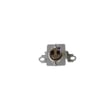
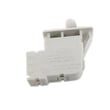
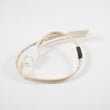
How do I find the part number for my dryer?
For your Samsung DV56H9100EG dryer, the fastest way to get the right part number is to match the appliance model number first, then use the parts diagram list for that model to identify the exact part name and manufacturer part number. Use the DV56H9100EG owner's manual to confirm where the model tag is located.
Step-by-step: find the correct part number
- Locate the model tag on the dryer (commonly inside the door opening, on the door frame, or on the cabinet opening).
- Write down the full model number exactly as shown: DV56H9100EG.
- Identify the system you are repairing (heating, drum, door, controls, airflow).
- Use the model-based parts list to find the part by name and diagram location.
- Confirm the part number and order the exact match.
- If multiple similar parts appear, compare your original part’s markings and connector style before ordering.
Common examples for DV56H9100EG
These are examples of manufacturer part numbers that may apply to common repairs on this model:
| Symptom | Part type to check | Example part number |
|---|---|---|
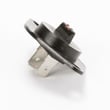
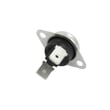
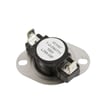
| Dryer not heating or overheating | Thermal cut-off thermostat | DC47-00016A |
| Dryer shuts off from high heat | High-limit thermostat | DC47-00018A |
| Long dry times, poor airflow noise | Blower wheel | DC67-00180B |
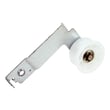
| Thumping or squealing drum | Drum support roller | DC97-16782C |
Tips to avoid ordering the wrong part
- Match by model number first, not by appearance alone.
- Use the part name plus the manufacturer part number when searching.
- If your dryer has a revision or suffix on the tag, include it when comparing parts.
- Replace related safety parts together when appropriate (for example, thermal cut-off components) and correct the airflow restriction that caused the failure.
Why it matters
Samsung dryers often use similar-looking components across multiple models, but wiring, mounting, and temperature ratings can differ. Matching the part number to DV56H9100EG prevents fit issues, repeat failures, and unnecessary returns.
Last updated: February 2026
How to reset Samsung dryer error code?
To reset an error code on your Samsung dryer model DV56H9100EG, we recommend a simple power reset first: turn the dryer off, unplug it (or switch off the breaker) for 1 to 5 minutes, then restore power and try a cycle. If the code returns, the dryer is detecting an ongoing problem that needs troubleshooting.
Quick reset steps (safe first checks)
- Press Power to turn the dryer off.
- Unplug the power cord (or turn the dryer breaker off).
- Wait 1 to 5 minutes.
- Restore power.
- Run a short Timed Dry cycle to see if the code clears.
- If the code comes back immediately, stop the cycle and troubleshoot the cause.
What a “reset” can and cannot do
A reset clears temporary control glitches, but it does not fix a failed sensor, overheating condition, or airflow restriction.
| What you see | What it usually means | What to do next |
|---|---|---|
| Code clears after reset | Temporary glitch | Monitor; clean lint filter and venting |
| Code returns during heat | Airflow or temperature issue | Check venting; inspect thermostats/thermistor |
| Code returns right away | Switch, control, or wiring issue | Check door closure, buttons, and connections |
Common causes when codes keep returning
- Lint screen clogged or restricted exhaust ducting (long dry times, overheating codes)
- Loose door closure or a failing door switch
- Temperature sensing problems (thermistor)
- Overheat protection opening (thermal cut-off or high-limit thermostat)
- Control issue after a power surge
If you’re troubleshooting heat or temperature-related codes on DV56H9100EG, the temperature-sensing and safety parts most often involved are the dryer thermistor DC32-00007A and the dryer high-limit thermostat DC47-00018A.
Why it matters
Repeated error codes are the dryer’s way of preventing poor drying performance and overheating. Addressing airflow and temperature-sensing issues early helps protect the heating system and keeps cycles consistent.
For model-specific operating steps and any code definitions tied to your control panel, use the DV56H9100EG manual. You can also reference the Samsung dryer error codes guide for code meanings and the most common fixes.
Last updated: February 2026
How to tell if a Samsung dryer heating element is bad?
A bad heating element in our Samsung dryer model DV56H9100EG typically shows up as no heat or weak heat even though the drum tumbles normally. The most reliable check is a multimeter test for continuity across the element terminals and an insulation (ground) test to the heater housing; failures point to a bad element.
Quick symptoms to look for
- Dryer runs but clothes stay damp or cold
- Cycle time gets much longer than normal
- Burning smell (stop using the dryer and inspect airflow and heater area)
- Breaks, blisters, or a visibly damaged coil (if you can safely access the heater)
How we test the heating element (safe, accurate method)
- Unplug the dryer (electric shock hazard). For an electric dryer, also confirm power is off at the breaker.
- Access the heater area using the disassembly steps in the DV56H9100EG owner’s manual.
- Set a multimeter to ohms (Ω) or continuity.
- Continuity test (element terminals):
- Touch one probe to each heater terminal.
- Good: continuity present (meter shows a resistance value).
- Bad: open circuit (often shows OL or no change).
- Ground fault test (element to metal housing):
- Touch one probe to a heater terminal and the other to bare metal on the heater housing.
- Good: no continuity to ground.
- Bad: continuity to ground (element is shorted).
Don’t miss these common “no heat” causes
A heating problem is often airflow or safety-thermostat related. Check these before or along with the element:
| What you observe | Most likely cause | What to check next |
|---|---|---|
| No heat at all | Open heater or blown thermal cut-off | Test heater and dryer thermal cut-off thermostat DC47-00016A |
| Heats briefly then stops | Restricted venting or high-limit opening | Clean lint path; test dryer high-limit thermostat DC47-00018A |
| Long dry times, some heat | Poor airflow or blower issue | Lint screen, duct, and blower wheel |
Why it matters
A failed heating element stops proper drying, but restricted venting can also overheat the dryer and repeatedly trip thermal safety parts. Fixing airflow issues helps protect the heater, thermostats, and control board.
Last updated: February 2026
Is it worth replacing a heating element in a Samsung dryer?
Yes; for Samsung model DV56H9100EG, replacing the heating element is usually worth it when the dryer tumbles normally but won’t heat, because the part cost is typically far less than a new dryer. We confirm the failure first, since a thermal fuse, thermostat, or thermistor can cause the same “no heat” symptom (see the DV56H9100EG manual).
When replacement makes sense
Replacing the heater is a strong choice when the rest of the dryer is in good shape and the problem is isolated to the heat circuit.
- The drum turns and airflow feels normal, but clothes stay cold and damp
- No burning smell, no repeated shutdowns, and no obvious wiring damage
- You have stable power (electric dryers need full 240V supply to heat)
- You can test parts with a multimeter (continuity/ohms)
- The dryer is not showing multiple recurring issues (noise, control problems, poor airflow)
What to check before buying a heating element
On DV56H9100EG, these parts commonly mimic a bad heater. Testing first prevents replacing the wrong part.
| Symptom | Common cause | Example part for this model |
|---|---|---|
| Runs but no heat | Blown thermal cut-off fuse | Dryer thermal cut-off fuse, 320-degree f DC47-00015A |
| Heats briefly then stops | High-limit thermostat opening | Dryer high-limit thermostat DC47-00018A |
| Heat is erratic or cycles oddly | Temperature sensor issue | Dryer thermistor DC32-00007A |
| No heat and poor airflow | Vent restriction or blower issue | Dryer blower wheel DC67-00180B |
Why it matters (cost and reliability)
A heating element replacement is one of the most cost-effective dryer repairs because it restores core performance without replacing the whole appliance. It also helps you avoid repeat failures; if a fuse or thermostat blew due to restricted venting, fixing airflow at the same time protects the new heater.
Quick decision guide
- Replace the heating element if the dryer is otherwise reliable and tests confirm the element is open.
- Replace the safety parts too if a thermal cut-off or high-limit thermostat tested bad; they often fail together after overheating.
- Consider replacing the dryer if you have multiple major symptoms (no heat plus loud squeal, control issues, or repeated overheating from chronic vent problems).
Last updated: February 2026
What is the average lifespan of a Samsung dryer?
A Samsung dryer typically lasts 10 to 15 years with normal household use. For your Samsung DV56H9100EG, consistent airflow maintenance (lint screen and venting) and avoiding overloads are the biggest factors that push lifespan toward the high end.
What affects dryer lifespan the most
- Vent restriction and lint buildup (heat stress shortens component life)
- Overloading (wears the drive system and drum supports faster)
- Heat level and cycle choices (high heat all the time is harder on parts)
- Installation quality (crushed vent, long duct runs, poor airflow)
- Routine cleaning (lint screen every load; venting periodically)
Typical lifespan ranges (what we see most often)
| Usage pattern | Typical lifespan | What usually ends it first |
|---|---|---|
| Light use (1 to 3 loads/week) | 12 to 15 years | Wear items, sensors |
| Average use (4 to 7 loads/week) | 10 to 13 years | Heating and airflow-related parts |
| Heavy use (multiple loads/day) | 7 to 10 years | Drive system, heat system |
Maintenance that extends life on DV56H9100EG
- Clean the lint screen every load
- Keep the exhaust vent run short and smooth; remove lint from ducting
- Do not pack the drum tight; dry bulky loads in smaller batches
- If drying times increase, address airflow first before replacing parts
- Follow the care and cleaning schedule in the DV56H9100EG owner’s manual
Why it matters
Most “dryer failures” start as airflow problems. Poor venting makes the dryer run hotter and longer, which accelerates wear on heating components, thermostats, and the blower system.
Last updated: February 2026
What is the dE code on a Samsung dryer?
On our Samsung dryer model DV56H9100EG, the dE error code indicates a door-related problem: the dryer is not sensing the door as fully closed and latched, so it may stop or refuse to start. Use the checks below, then confirm the exact code meaning in the DV56H9100EG owner’s manual.
What to check first (fast fixes)
- Open and firmly re-close the door; press near the latch side until you hear/feel it click.
- Remove any laundry caught between the door and the front panel.
- Inspect the latch area for lint buildup; clean it so the latch can fully engage.
- Make sure the dryer is level; a tilted cabinet can prevent a solid latch.
- Power reset: unplug (or switch off the breaker) for 2 minutes, then restore power and try again.
Parts that commonly cause dE-type door errors
Door errors are usually caused by the latch not engaging or the door-closed signal not reaching the control.
| Symptom | Most likely area | What to do next |
|---|---|---|
| Door won’t stay shut | Door latch/strike alignment | Check for loosened screws, misalignment, or worn latch |
| Dryer starts then stops and shows dE | Door-closed sensing circuit | Test the door switch for consistent operation |
| dE appears even when door is closed | Door switch or wiring | Inspect connectors and harness routing near the door |
If the door switch is sticking or not clicking consistently, replacing the dryer door switch DC64-00828B is a common repair.
Why it matters
The door switch is a safety input. If the control does not detect a closed door, the dryer can shut down to prevent the drum from turning with the door open.
Related help
For a quick list of Samsung dryer code definitions and what they point to, use our Samsung dryer error codes guide.
Last updated: February 2026