

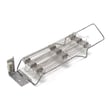
Is it worth replacing the heating element in a dryer?
Yes, it’s usually worth replacing the heating element in a Kenmore 11086670100 electric dryer when the rest of the machine is in good condition; the part cost is typically far less than replacing the dryer, and it often restores normal heat and drying performance.
When replacement makes sense
- The drum tumbles normally but clothes stay cold or take much longer to dry
- The dryer is otherwise reliable (no major noise, burning smell, or repeated shutdowns)
- You have good airflow (clean lint screen, clear vent) and still have no heat
- You can do a basic electrical repair safely (or you plan to hire a technician)
What to check before you buy a heating element
A “no heat” symptom is often caused by airflow restrictions or a failed safety device, not just the heater. We recommend checking these items first:
- Lint screen and lint chute for blockage
- Vent duct for crushing, kinks, or heavy lint buildup
- Terminal block and power cord connections for overheating
- Door switch operation (dryer may run differently if the switch is intermittent)
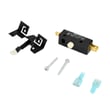
If you find heat-related wiring damage, replacing the harness is often the right companion repair: dryer heating element wire kit 279457
Quick cost vs. outcome comparison
| Situation | Typical outcome | Best next step |
|---|---|---|
| Dryer tumbles, no heat, airflow is good | Heating circuit failure is likely | Replace heater and inspect wiring |
| Dryer heats but dries slowly | Airflow restriction is likely | Clean venting and lint path |
| Repeated burning smell or melted wires | Connection failure is likely | Repair wiring/terminal block first |
Why it matters
A weak or failed heating circuit can turn a normal cycle into hours of run time. Fixing the root cause (heater, wiring, or airflow) helps the dryer dry faster, reduces wear on the motor and belt, and lowers the chance of overheating.
Helpful DIY reference
For a broader overview of what components affect heat and airflow, use: what are the main parts of a clothes dryer
Last updated: January 2026
How do I tell if my dryer heating element is bad?
If your Kenmore 11086670100 electric dryer runs but clothes stay cool or take much longer to dry, the heating element is a top suspect. We confirm it by checking airflow first, then testing the heater circuit for continuity with a multimeter.
Quick symptoms that point to a bad heating element
- Dryer tumbles normally but produces no heat
- Clothes are still damp after a full cycle (especially on timed dry)
- Heat comes and goes (can also be a loose connection)
- Burning smell or visible scorching near the heater housing (stop using the dryer)
The fastest checks (do these before meter testing)
- Verify airflow: Clean the lint screen, then run a cycle and check for strong airflow at the outside vent.
- Check the vent path: Crushed flex venting, long runs, or lint buildup can cause poor drying and overheating.
- Confirm power supply: Electric dryers need full 240V supply to heat; a partial power issue can let the motor run with no heat.
How we test the heating element (basic multimeter method)
- Unplug the dryer (or switch off the breaker).
- Access the heater terminals.
- Set the meter to ohms (Ω) and test across the element terminals.
- A good element typically shows some resistance (not an open circuit). If the meter reads OL/infinite (no continuity), the element is failed.
What the readings usually mean
| Meter result | What it suggests | Next step |
|---|---|---|
| OL / infinite | Element coil is broken | Replace the heating element (and inspect wiring) |
| Very low / near 0Ω | Possible short | Inspect heater housing and wiring; replace as needed |
| Normal resistance but still no heat | Issue elsewhere | Check thermal fuse, thermostats, wiring, or timer/control |
Parts that commonly fail with “no heat” symptoms
Even when the element is bad, we also inspect the heater wiring and connections because heat damage can spread.
- Dryer heating element wire kit 279457 (burnt or loose heater connections)
- Thermal fuse or high-limit thermostat (not listed in the parts shown here)
- Venting restrictions (can repeatedly overheat and trip safety devices)
Why it matters
A restricted vent or damaged heater wiring can mimic a bad element and can also overheat the heater circuit. Fixing airflow and wiring at the same time helps the dryer heat safely and dry faster.
Last updated: January 2026
What is the average life of a Kenmore dryer?
A Kenmore electric dryer like model 11086670100 typically lasts 10 to 13 years. With consistent airflow maintenance (lint screen and venting) and prompt repair of wear items, it commonly reaches the upper end of that range.
Typical lifespan and what changes it
Most dryers fail early due to heat and airflow stress, or due to drum-drive wear.
- Light use (1 to 3 loads/week): often 12 to 15 years
- Average use (4 to 7 loads/week): typically 10 to 13 years
- Heavy use (multiple loads/day): often 7 to 10 years
- Poor venting or frequent overloading: shortens life quickly
- Timely replacement of wear parts: extends service life
Maintenance that adds years
Good maintenance reduces overheating, motor strain, and long dry times.
- Clean the lint screen every load
- Keep the exhaust duct short, smooth, and not crushed
- Clean lint buildup from the vent path periodically
- Avoid overloading; it strains the motor, belt, and drum supports
- Stop using the dryer if you smell burning or hear grinding/squealing
Parts that commonly limit dryer life
If the dryer runs but squeals, thumps, or stops tumbling, these are common wear points.
| Symptom | Common cause | Example part for 11086670100 |
|---|---|---|
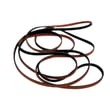
| Drum will not turn | Worn/broken belt | Belt 341241 |
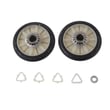
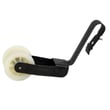
| Squealing or intermittent tumbling | Worn idler pulley | Dryer idler pulley WP691366 |
| Weak airflow, rumbling | Damaged blower wheel | Dryer blower wheel WP694089 |
Why it matters
A dryer that is nearing end-of-life often shows up as longer dry times, overheating, or new noises. Fixing airflow issues and replacing a low-cost wear part early can prevent bigger failures like motor damage.
Last updated: January 2026
How to hard reset a Kenmore dryer?
To hard reset your Kenmore electric dryer model 11086670100, unplug the power cord (or switch the breaker off) for 2 minutes, then restore power and try a normal cycle. This clears many temporary control glitches; if the dryer still will not run, a door switch, belt, or motor issue is more likely than a reset problem.
Hard reset steps (safe and effective)
- Turn the dryer OFF.
- Unplug the dryer; if it is hardwired, turn both dryer breakers OFF.
- Wait 2 minutes (up to 5 minutes if you are clearing repeated error behavior).
- Restore power.
- Close the door firmly and press Start.
- If the control is unresponsive, repeat once; then move to troubleshooting.
What a reset fixes vs. what it will not
| Symptom | Reset may help | More likely cause |
|---|---|---|
| Control panel frozen or cycle won’t change | Yes | Stuck key, control glitch |
| Dryer won’t start but has power | Sometimes | Door switch, belt switch, motor circuit |
| Drum won’t turn but motor hums | No | Broken belt or seized drum support |
| Runs but no heat | No | Heating circuit or airflow restriction |
Quick checks after the reset
- Confirm the dryer has 240V power (a tripped half-breaker can leave lights on but no heat).
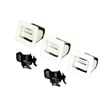
- Make sure the door fully latches; a failed door switch can stop the motor. Consider testing or replacing the dryer door switch W10820036.
- If the motor runs but the drum does not turn, inspect the belt 341241 and the idler pulley.
- If you hear a loud squeal or thump, check drum support parts such as the front bearing.
- Clean the lint screen and verify the vent is not restricted; poor airflow can cause shutdowns and long dry times.
Why it matters
A hard reset is fast and safe, but it only addresses temporary electronic behavior. When a Kenmore 11086670100 dryer will not start or will not tumble, the fix is usually a mechanical or safety-interlock part, not a button sequence.
Last updated: January 2026