Owner’s manual


How do I tell if my dryer heating element is bad?
If your Kenmore electric dryer model 11068702894 runs but doesn’t produce heat (or clothes stay damp), the heating element is a top suspect. We confirm it by running a quick heat check, then testing the element for continuity with a multimeter and inspecting for broken or burnt coils.
Use the manual’s basic heat verification method:
- Start a heated cycle (not Air Dry).
- Let it run about 5 minutes.
- Open the door and feel for heat inside the drum.
- If there’s no heat, move on to electrical checks and airflow checks.
For cycle and operating details, use the 11068702894 owner's manual.
Common symptoms on electric dryers include:
- Dryer tumbles normally but produces no heat
- Drying takes much longer than normal
- Clothes come out cool or still damp at end of cycle
- Burning smell paired with poor drying (after the first-use odor is ruled out)
- Unplug the dryer (or switch off the breaker).
- Access the heater housing (location varies by design).
- Remove at least one wire from the element terminal.
- Check continuity across the element terminals.
| Test result | What it indicates | Next step |
|---|---|---|
| Continuity present | Element is not open | Check airflow, thermostats, wiring |
| No continuity (open circuit) | Element is bad | Replace the element |
| Coil visibly broken/burnt | Element is bad | Replace the element |
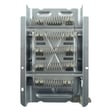
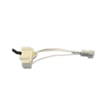
If you need the correct replacement for this model, use the dryer element 279838.
A restricted vent can overheat the dryer and trip safety devices, causing “no heat” even with a good element. Check these items if the element tests good:
- Lint screen and lint chute for blockage
- Vent duct for crushing, kinks, or heavy lint buildup
- Thermal cut-off and high-limit devices (often replaced as a set)
- Operating thermostat function
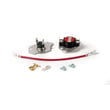
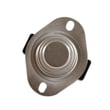
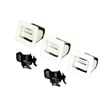
For common no-heat protection parts on this model, see the cut-off kit 279816.
A bad heating element stops heat production, but poor airflow can cause repeat failures and overheating. Confirming the element with a meter and correcting venting issues helps restore normal dry times and protects key parts like thermostats and fuses.
Last updated: January 2026
How to hard reset a Kenmore dryer?
To hard reset a Kenmore electric dryer model 11068702894, unplug the power cord (or switch the breaker off) for 1 to 5 minutes, then restore power and try a normal start. This clears many temporary control or timer glitches but will not fix a heat or airflow problem.
- Turn the cycle selector to OFF.
- Unplug the dryer (or turn both dryer breakers off if hardwired).
- Wait 1 to 5 minutes.
- Restore power.
- Close the door fully.
- Select a dry cycle and press the PUSH TO START button.
For model-specific operating steps and cycle control details, use the 11068702894 owner's manual.
A reset helps only if the issue is a temporary interruption. If the dryer will not run, these are the most common checks:
- Confirm the door is closing and latching; a failed door switch can prevent starting.
- Make sure the cycle selector is on a drying setting (not OFF).
- Check for a broken belt; the motor may run but the drum will not turn.
- Listen for a humming motor or burning smell; stop and disconnect power if you notice either.
- If the dryer overheated previously, inspect venting for restrictions before running again.
Common parts tied to “won’t start” symptoms
| Symptom | Likely area | Example part for this model |
|---|---|---|
| Door closes but dryer does nothing | Door switch circuit | Door switch WP3406107 |
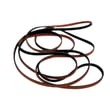
| Motor runs but drum does not tumble | Belt/idler | Drum belt 341241 |
| Dryer stops mid-cycle or overheats | Airflow/thermal protection | Cut-off kit 279816 |
Hard resets clear minor interruptions, but dryers often stop or fail to start because of door switch issues, belt failures, or overheating from poor venting. Restoring proper airflow also helps drying performance and reduces repeat shutdowns.
Last updated: January 2026
What is the average life of a Kenmore dryer?
Most Kenmore electric dryers like model 11068702894 last 10 to 13 years with normal household use. With consistent lint and vent maintenance and avoiding chronic overheating, it’s common for this style of dryer to run 15 years or longer.
A dryer’s life is mostly determined by heat stress, airflow, and how hard the drive system works.
- Vent restriction (lint buildup, crushed duct) shortens life by overheating the heater and thermostats.
- Overloading strains the drum support, belt, and motor.
- High-heat cycles all the time increase wear on heating and safety components.
- Poor door closure can stress the start circuit and door switch.
- Routine cleaning reduces breakdowns and improves drying performance.
The 11068702894 manual includes specific guidance for removing accumulated lint in the exhaust vent and notes that lint can build up inside the dryer over time. Use the 11068702894 owner's manual for the exact care steps and intervals.
- Clean the lint screen every load.
- Inspect and clean the exhaust vent path regularly (dryer outlet to outside hood).
- Keep the vent run short and smooth; avoid kinks and unnecessary elbows.
- If drying times increase, address airflow before replacing parts.
- Have accumulated lint inside the cabinet removed periodically by a qualified service person.
If the dryer tumbles poorly, squeals, or stops turning, these parts are frequent culprits:
| Symptom | Common cause | Example part for this model |
|---|---|---|
| Drum won’t turn, motor runs | Worn/broken belt | Drum belt 341241 |
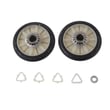
| Squealing, slow tumbling | Worn idler pulley | Dryer idler pulley WP691366 |
| No heat or overheating issues | Heater or thermal protection problem | Dryer element 279838 or cut-off kit 279816 |
A dryer that runs hot or with poor airflow dries slower, uses more electricity, and wears out key components (heating element, thermostats, motor) faster. Good venting and lint control are the simplest ways to protect the dryer’s service life.
Last updated: January 2026
What is the OEM part number 279838?
OEM part number 279838 is the dryer heating element used in Kenmore electric dryer model 11068702894. It is the electric resistance heater that warms the air as it moves through the heater housing and into the drum for drying.
The heating element is the main heat source in an electric dryer. When the dryer calls for heat, the element energizes and the operating thermostat cycles it on and off to maintain temperature.
Common signs the heating element is failing:
- Dryer runs but produces little or no heat
- Clothes take much longer than normal to dry
- Burning smell (often from lint buildup or a damaged element coil)
- Breaker trips when heat turns on
For Kenmore 11068702894, the matching replacement heating element is dryer element 279838.
| Item | What to match | Why it matters |
|---|---|---|
| Part ID | 279838 | Ensures the correct Sears PartsDirect listing for this model |
| Part type | Heating element | Restores proper heat output |
| Dryer type | Electric dryer | Gas dryers use a burner assembly instead |
We recommend these quick checks first because airflow problems can mimic a bad heater and can also overheat new parts:
- Clean the lint screen and confirm strong airflow at the outside vent hood
- Inspect and clear the vent duct for lint, kinks, or crushing
- Make sure the dryer is on a proper 240V supply (a dryer can run on 120V but not heat)
- Review venting and maintenance guidance in the 11068702894 owner's manual
A weak or open heating element can leave the dryer tumbling with no heat, but restricted venting can also cause overheating that damages thermostats and thermal cut-offs. Good airflow protects the heater and improves drying performance.
Last updated: January 2026