Installation guide
 Owner’s manual


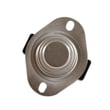
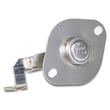
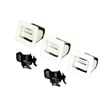
How much does it cost to replace a dryer start switch?
For Kenmore electric dryer model 11062512101, the part cost to replace the start switch is typically $15 to $40 for the switch itself; total cost goes up if you hire service. This model uses a push-to-start style control, so switch issues often look like a “won’t start” symptom.
What you usually pay (parts vs. labor)
Replacement cost depends on whether you’re doing a DIY repair or paying for service.
| Cost item | Typical range | What’s included |
|---|---|---|
| Start switch (part only) | $15 to $40 | Push-to-start switch assembly |
| DIY total | $15 to $60 | Part plus basic supplies (connectors, etc.) |
| Professional repair total | $150 to $300 | Trip/service call plus parts and labor |
Quick checks before you buy a switch
Our installation and use instructions for this dryer call out several “no-start” basics that can mimic a bad start switch. Before replacing parts, check these items:
- Confirm the cycle/timer is set to a running position (not OFF).
- Press the start button firmly.
- Make sure the door is fully closed.
- Verify the dryer is plugged into a grounded outlet.
- Check the electrical supply; many electric dryers use two fuses or breakers.
- Inspect the house fuses/breakers for a trip or blown fuse.
For the exact start procedure and “dryer will not start” checklist, use the owner's manual.
When the start switch is the likely problem
A start switch is a strong suspect when power is present and the door switch is working, but the dryer only runs while you hold the button, feels intermittent, or does nothing when pressed.
Common symptoms vs. common causes
| Symptom | More likely cause |
|---|---|
| Nothing happens when you press start | Start switch, power supply, door switch, timer/control |
| Dryer starts only sometimes | Worn start switch contacts, loose wiring |
| Hums but won’t run | Motor, blower wheel jam, belt issue |
Why it matters
A weak start switch can look like a bigger failure (motor or timer). Doing the quick power, door, and control checks first helps you avoid buying the wrong part and gets your Kenmore dryer running sooner.
Last updated: February 2026
Is it worth replacing the heating element in a dryer?
Yes. For a Kenmore 11062512101 electric dryer, replacing a failed heating element is usually worth it because the part cost is typically far less than replacing the dryer, and it often restores normal heat when the rest of the dryer (drum, motor, airflow) is in good shape.
When replacement makes sense
We recommend replacing the heating element when the dryer runs but produces no heat and basic power checks look good.
- The drum tumbles normally but clothes stay cold or damp
- You have proper airflow at the outside vent hood (not weak or blocked)
- The dryer is otherwise quiet and operating normally
- You want a repair that typically takes less time than a full dryer replacement
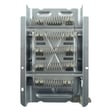
A common replacement for this model is the dryer element 279838.
Check these first (it can look like a bad element)
Your dryer can run and still have no heat if only one side of the 240V supply is present. The installation instructions also note there may be two fuses or two circuit breakers to check.
- Confirm the dryer is plugged into a grounded outlet
- Make sure the door fully closes and the start control is pushed firmly
- Check both house fuses or both breakers (electric dryers often use a 2-pole breaker)
- Run the dryer 5 minutes, then open the door and feel for heat
- Verify the exhaust vent is not crushed, kinked, or clogged with lint
For model-specific operating and troubleshooting guidance, use the owner's manual.
Heating problem quick guide
| Symptom | Most likely cause | What we do next |
|---|---|---|
| Tumbles, no heat | Power supply issue (one breaker tripped) | Reset/check both breakers or fuses |
| Tumbles, weak heat/long dry times | Restricted venting | Clean/repair venting and lint path |
| Tumbles, no heat after power checks | Failed heater or safety device | Test heater and thermal devices; replace failed part |
Why it matters
A bad heating element is a straightforward fix, but restricted airflow can overheat the heater housing and repeatedly trip safety devices. Fixing venting and lint buildup helps the new element last longer and improves drying performance.
Last updated: February 2026
What does PF stand for on a Kenmore dryer?
PF on a Kenmore dryer means power failure. On model 11062512101, it shows up after the dryer loses electrical power (outlet, breaker, or cord connection) and then power returns; it is a reminder that the cycle was interrupted.
What to do when PF appears
- Press Stop/Cancel (or Pause/Cancel, depending on your control panel) to clear the display.
- Restart the cycle and monitor whether PF returns.
- Check that the dryer plug is fully seated in the outlet.
- Check the home breaker for a tripped breaker (electric dryers typically use a 2-pole breaker).
- If PF happens repeatedly, inspect the power cord and terminal block connections (burn marks or loose screws are common clues).
Quick checks that prevent repeat PF messages
A PF message is usually caused by an unstable power supply or a loose connection. These steps fix the most common causes.
| Check | What you are looking for | Why it matters |
|---|---|---|
| Outlet fit | Plug feels tight, not loose | Loose contact can drop voltage and reset controls |
| Breaker | Not tripped, firmly reset | A partial trip can cause intermittent power loss |
| Cord and terminal block | No heat damage, tight connections | High resistance creates heat and momentary outages |
| House voltage (electric dryer) | Stable 240V supply (two hot legs) | Losing one leg can stop heat or reset electronics |
Why it matters
When the dryer loses power mid-cycle, clothes can come out damp and the timer or electronic control can reset. Repeated PF events can also point to a wiring issue that should be corrected to keep drying performance consistent.
Safety note for electrical checks
Before removing any access panel, unplug the dryer or shut off the breaker. For wiring and grounding requirements specific to this dryer, follow the 11062512101 owner's manual and installation instructions.
Last updated: February 2026
How do I tell if my dryer heating element is bad?
If our Kenmore electric dryer model 11062512101 runs but produces little or no heat, the heating element is a top suspect. We confirm it by doing a quick heat check during a timed high-heat cycle, then testing the element for continuity with a multimeter; an open circuit indicates a failed element.
Quick checks you can do first
Before testing parts, rule out the most common non-part causes of “no heat.”
- Run a full heat cycle (not Air/Fluff) and let the dryer run about 5 minutes, then open the door and feel for heat.
- Check your home power supply; many electric dryers use two fuses or two breakers, and one can trip while the drum still turns.
- Make sure the exhaust vent is not crushed, kinked, or heavily restricted.
- Clean the lint screen and confirm strong airflow at the outside vent hood.
- If the dryer is newly installed or first heated after a long time, a brief “hot” odor can be normal.
Multimeter test: what “bad” looks like
Unplug the dryer (or switch off both breakers) before any testing.
- Remove the heating element and test across the element terminals.
- A good element typically shows continuity (often in the 10 to 50 ohms range).
- If the meter shows OL/infinite resistance, the element coil is broken and the element is bad.
- Also check for a short to the metal housing; the element should not show continuity to the casing.
Common results and what they mean
| Test result | What it usually means | What to do next |
|---|---|---|
| Drum turns, no heat; one breaker tripped | Half power to dryer | Reset/repair power supply |
| Element reads OL/infinite | Element is open (failed) | Replace the element |
| Element reads continuity to housing | Element is shorted | Replace the element |
| Element tests good | Heat problem elsewhere | Check thermal cut-off, thermostat, airflow |
Parts that often fail with (or before) the element
If the element tests bad, we also inspect heat-safety parts and airflow issues so the new part lasts.
Why it matters
A weak or failed heating element can cause long dry times, damp loads, and overheating elsewhere if airflow is restricted. Confirming the element with a meter helps avoid replacing the wrong part.
For model-specific access and disassembly guidance, follow the steps in the owner's manual.
Last updated: February 2026