Owner’s manual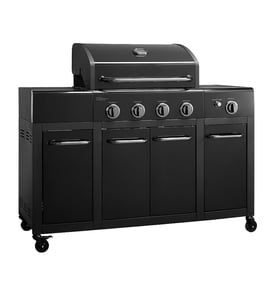



How to find Kenmore Grill model number?
On the Kenmore gas grill model 41516151110, the model number is printed on the grill’s rating label; once you find it, write down both the model and serial number so you can order the correct parts and get accurate troubleshooting help. For label location details, use the 41516151110 owner’s manual.
Where to look on the grill
Check these common rating-label locations first (they are the most typical spots for this style of grill):
- Back panel of the grill base or firebox
- Inside the cabinet (on an inner side wall)
- Under the control panel (behind the knobs)
- On a side panel near the propane tank area
- On the cart frame near the rear legs
What to write down (and why)
Record the information exactly as shown on the label.
- Model number (example format: 415.16151110)
- Serial number (unique to your grill)
- Date purchased (helpful for warranty and service records)
Quick reference
| Item | What it’s used for | Example you might see |
|---|---|---|
| Model number | Matching parts diagrams and part fit | 415.16151110 |
| Serial number | Identifying production run details | Varies |
Why it matters
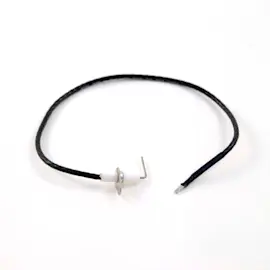
Kenmore grills often have similar-looking lids, burners, and ignition parts across different models. Using the exact model number helps us match the right components (like a main burner, electrode, or ignition module) the first time.
Last updated: February 2026
What is the average lifespan of a gas grill?
Most gas grills last 10 years on average. For the Kenmore 41516151110 gas grill, regular cleaning, safe storage, and replacing wear parts (burners, ignition parts, grease handling parts) on time is what keeps the grill performing well for that full lifespan.
Typical lifespan by build and use
Gas grills tend to fall into a few common lifespan bands:
| Grill type / use pattern | Typical lifespan | What usually fails first |
|---|---|---|
| Light use, covered storage | 10 to 15 years | Ignition parts, grates |
| Moderate use, mixed weather exposure | 7 to 12 years | Burners, flame tamers |
| Heavy use, coastal or uncovered storage | 5 to 8 years | Burners, firebox corrosion |
What extends the life of the Kenmore 41516151110
We see the biggest lifespan gains from these habits (they also reduce flare-ups and uneven heat):
- Clean grease and food debris off grates and inside the cookbox regularly.
- Keep the grease system clear; empty and clean the tray before it overflows.
- Check hoses for cuts or wear before each use; replace damaged hoses immediately.
- Store the grill in a dry location and cover it when stored outdoors.
- If the grill sits idle for a while, clean the burner tubes before the next cook.
For model-specific care and storage steps, follow the 41516151110 owner's manual.
Parts that commonly determine “end of life”
Most grills get replaced because a few key parts wear out, not because the whole grill is unusable. On this model, common wear items include:
- Burners: gas grill main burner G430-3800-W2
- Heat distribution: char-broil gas grill flame tamer G550-0006-W1
- Grease handling: char-broil gas grill grease tray G430-0033-W1
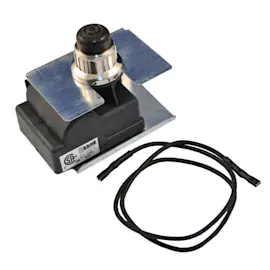
- Ignition: gas grill ignition module G409-0021-W1
Why it matters
A grill that is hard to light, heats unevenly, or has frequent flare-ups usually needs cleaning or a targeted part replacement. Keeping burners and grease paths clean also supports safer operation and more consistent cooking results.
Last updated: February 2026
What's the best gas grill for the money?
For the best “gas grill for the money,” we recommend choosing the size and build quality that match how you cook most often; in the midrange, a 2 to 3 burner grill with solid burners, even heat, and easy-to-find replacement parts typically delivers the best long-term value. Use the 41516151110 owner's manual to confirm your fuel type and safe clearances before you buy or compare.
What “best value” means for most grill owners
A great value grill is the one that heats evenly, lights reliably, and stays serviceable for years.
- Choose 2 to 3 main burners for most families; 4+ burners help if you cook for crowds.
- Look for sturdy grates and a lid that holds heat (better searing and fewer flare-ups).
- Prioritize simple ignition and common wear parts (burners, electrodes, grease tray).
- Plan for routine cleaning; grease management reduces flare-ups and corrosion.
- Stick with the fuel type the grill is designed for (LP propane vs natural gas).
Quick value tiers (what to expect)
| Budget | Typical fit | What you get | What to watch for |
|---|---|---|---|
| Under $300 | Occasional grilling | Basic heat, lighter materials | Hot spots, shorter burner life |
| $300 to $700 | Most households | Better heat control, sturdier cook box | Compare warranty and parts availability |
| $700 to $1,200 | Frequent grilling | More features, stronger construction | Extra features add cost and complexity |
How to compare grills using your current Kenmore as a baseline
If you like how your Kenmore 41516151110 cooks, compare new grills against the parts that most affect performance and upkeep.
- Uneven heat or weak flames: burners and flame tamers are the usual culprits.
- Hard starting: ignition parts (electrode/module) and gas flow checks matter.
- Flare-ups: grease tray condition and cleaning habits matter as much as BTUs.
Common service parts you can use as reference points:
- Gas grill main burner G430-3800-W2
- Char-broil gas grill flame tamer G550-0006-W1
- Char-broil gas grill grease tray G430-0033-W1
Why it matters
“Best for the money” is really about total cost of ownership: safe operation, consistent heat, and the ability to maintain the grill with normal wear parts. A grill that’s easy to clean and service usually outperforms a cheaper grill that can’t be kept running.
Last updated: February 2026
Who makes Kenmore gas grills?
Kenmore gas grills are made by different manufacturers depending on the model and production run. For Kenmore model 41516151110, the parts and documentation align with Char-Broil-manufactured grill components, which is why many replacement parts for this model carry Char-Broil identifiers.
How we identify the manufacturer for model 41516151110
The most reliable way is to match the model number to the Use & Care Guide and then cross-check the replacement parts list.
- Confirm the exact model number on the rating label and in the 41516151110 owner's manual
- Match the model number format (Kenmore grills commonly use the 415.xxxxxxxx style)
- Compare common service parts (burners, ignition, grease handling) to the parts catalog
- Look for Char-Broil-labeled component families in the replacement parts list
What this means when you order parts
Even when the grill is branded Kenmore, the OEM that built it often supplies the service parts. For this model, you will commonly see Char-Broil part names and numbering.
| What you see | What it usually means | What to do |
|---|---|---|
| Kenmore badge on the lid | Retail brand | Use the Kenmore model number to shop |
| Char-Broil part naming on parts | OEM component source | Match by part number and fit |
| 41516151110 in the manual | Correct identification | Use it for all parts lookups |
Helpful examples of model-matched parts
These are common parts categories that help confirm you are shopping the correct grill family.
- Gas grill main burner G430-3800-W2 (core heating component)
- Gas grill ignition module G409-0021-W1 (spark control for ignition)
- Char-broil gas grill grease tray G430-0033-W1 (grease management and flare-up reduction)
Why it matters
Kenmore grill branding alone is not enough to get the right replacement parts. Using the exact model number 41516151110 ensures you get the correct burner, igniter, and grease tray style for safe fit and proper performance.
Last updated: February 2026
Are Kenmore gas grills any good?
Kenmore gas grills, including model 41516151110, are a solid choice for everyday grilling: they’re built for dependable operation, heat well when maintained, and have clear safety and care guidance. Like any gas grill, long-term performance depends most on routine cleaning and keeping ignition and burner parts in good condition.
What “good” looks like in real use
A good gas grill delivers consistent ignition, steady heat across the cooking grate, and safe operation. For this Kenmore model, the 41516151110 owner's manual covers use and care, troubleshooting, and safety practices that directly support reliable performance.
Common strengths when the grill is maintained
- Quick, consistent preheat when burners and ports are clean
- Even cooking when flame tamers and burners are in good shape
- Predictable temperature control with a working lid thermometer
- Straightforward upkeep (grease management and periodic burner checks)
The parts that most affect performance
If you’re judging whether your grill is “good,” focus on the wear items that drive heat and ignition.
- Burners: rust, clogging, or uneven flame patterns reduce heat
- Ignition: weak spark or misaligned electrode causes hard starts
- Heat distribution: worn flame tamers create hot spots and flare-ups
- Grease handling: a dirty tray increases flare-ups and odors
| Symptom | Most likely area | What to do first |
|---|---|---|
| Won’t light | Ignition system | Check spark, battery (if used), and electrode position |
| Uneven heat | Burners or flame tamers | Clean burner ports; inspect heat shields |
| Flare-ups | Grease buildup | Clean the firebox and grease tray |
| Low heat | Gas flow or burner blockage | Confirm tank valve is open; clean burners |
Why it matters (safety and results)
A “good” grill is also a safe grill. The manual emphasizes basics like using the grill only in a well-ventilated area, keeping clearances from walls and ignition sources, and checking burner flames regularly. Following those practices improves cooking results and reduces flare-ups.
Helpful DIY guidance
For performance issues that make a grill feel “not so good,” we use these step-by-step resources:
- How to fix uneven heating on a gas grill video
- Gas grill wont ignite or light video
- How to clean a gas grill video
Last updated: February 2026
Is it worth fixing a gas grill?
Yes, it’s worth fixing a Kenmore gas grill like model 41516151110 when the firebox and lid are solid and the problem is limited to normal wear parts (ignition, burners, grease handling, or heat distribution). If the cookbox is badly rusted through or the frame is unstable, replacement is the better choice.
Quick way to decide (cost vs. condition)
We use this simple checklist before buying parts:
- Firebox and lid are intact (no holes, severe warping, or major structural rust)
- Burners light safely (no persistent flare-ups from damaged components)
- Parts are available for the failure you’re seeing
- Repair cost is clearly less than a comparable new grill
- You can restore safe operation by cleaning and basic part replacement
For model-specific safety and operating guidance, follow the clearances and lighting steps in the 41516151110 owner’s manual.
Repairs that are usually worth it
These are common, affordable fixes that often bring performance back:
- Ignition problems (spark issues, weak lighting)
- Uneven heat caused by clogged or worn burners
- Excess grease and flare-ups from a damaged or missing tray
- Poor heat distribution from worn heat plates
Common “worth it” parts for this model
| Symptom | Likely part to address | What it improves |
|---|---|---|
| One burner won’t light but others do | Gas grill main burner G430-3800-W2 | Restores flame on that burner |
| Grease buildup, drips, flare-ups | Char-broil gas grill grease tray G430-0033-W1 | Safer grease handling |
| Hot spots or flare-ups over burners | Char-broil gas grill flame tamer G550-0006-W1 | More even heat, fewer flare-ups |
When replacement is the smarter move
Replacement makes sense when the grill’s structure is failing, not just the parts:
- Firebox is rusted through or the base is warped
- Control panel area shows signs of flashback damage (often tied to blocked burner tubes)
- Multiple major components need replacement at once (burners plus heat plates plus ignition plus hardware)
Why it matters (safety and performance)
A grill that’s hard to light or has weak flames often needs burner-tube cleaning; the manual specifically warns that spiders and insects can block burner tubes and cause flashback. Keeping the grease tray installed and emptying it after each use also reduces flare-ups and helps the grill run more consistently.
Last updated: February 2026
How to light a Kenmore gas grill?
To light Kenmore gas grill model 41516151110, open the lid, turn ON the LP cylinder valve, then light the ignition burner on HI using the electronic ignition button. After the first burner lights, turn the remaining burners to HI one at a time in sequence. See the exact procedure in the 41516151110 owner's manual.
Electronic ignition lighting (main burners)
- Turn all burner control knobs OFF.
- Turn ON gas at the LP cylinder.
- Open the lid during lighting; do not lean over the grill.
- Push and turn the ignition burner knob to HI.
- Push and hold the electronic ignition button until the ignition burner lights.
- If it does not light in 5 seconds: turn knobs OFF, wait 5 minutes, then repeat.
- Light remaining burners by turning each knob to HI in sequence, starting with the burner closest to the ignition burner.
Match-lighting (if the igniter will not light)
- Open the lid; turn ON gas at the LP cylinder.
- Place a lit match at the match-light hole using the match holder.
- Push in and turn the far right or far left burner knob to HI (based on the match-light hole used).
- Once that burner stays lit, light adjacent burners in sequence.
Quick safety and performance checks
- Keep the lid open while lighting.
- If ignition fails, always wait the full 5 minutes before retrying.
- Turn burner knobs and the LP cylinder OFF when not in use.
- If burners do not carry flame, clean the carryover path; replace the char-broil gas grill carryover tube G413-0004-W2 if it is damaged.
| Issue after lighting | Most common cause | First fix |
|---|---|---|
| One burner lights, others do not | Carryover tube blocked | Clean carryover tube ports |
| Low flame on all burners | Regulator flow or low LP | Reset regulator; check LP level |
| Hot and cold spots | Dirty burners or flame tamers | Clean burner ports; clean flame tamers |
Why it matters
Lighting in the correct order (ignition burner first, then the rest) prevents unburned gas buildup and gives you a stable flame for safe preheating and cooking.
Last updated: February 2026