Installation guide
 Owner’s manual
 Error Codes



Does KitchenAid make a 48 inch refrigerator?
Yes. KitchenAid makes 48-inch built-in refrigerators, and your KitchenAid KSSC48QTS02 is a built-in side-by-side model in that size class. For exact cutout and installation requirements for your specific unit, use the KSSC48QTS02 installation guide.
How to confirm the size you have
Use these quick checks to verify you are working with a 48-inch built-in platform:
- Check the model tag and confirm it reads KSSC48QTS02.
- Measure the cabinet opening width (side trim to side trim) rather than the door width.
- Confirm it is a built-in style (flush installation, top grille, side trims).
- Review the installation requirements and panel/trim instructions in the KSSC48QTS02 installation guide.
Built-in vs. freestanding: what “48-inch” usually means
Built-in refrigerators are typically sized by the cabinet opening they are designed to fit.
| Type | What is typically measured | What you should measure at home |
|---|---|---|
| Built-in (like KSSC48QTS02) | Cabinet opening width | Opening width between finished sides/trim |
| Freestanding | Cabinet width or case width | Case width and door swing clearance |
Why it matters
A true 48-inch built-in refrigerator has tight clearances for door alignment, top grille fit, and trim. Small leveling changes can affect how the doors seal and how the grille sits, so confirming the correct opening and installation specs prevents rubbing doors, gaps, and cooling loss.
Related parts customers often replace on this model
If you are maintaining a 48-inch built-in KitchenAid like KSSC48QTS02, these are common service items:
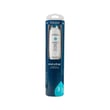
- Refrigerator water filter EDR3RXD1 for water and ice quality
- Door switches and light switches (for interior lights and dispenser behavior)
- Fan components (for airflow and temperature stability)
Last updated: January 2026
What is the average lifespan of a KitchenAid refrigerator?
KitchenAid refrigerators typically last 15 years on average. For a built-in model like KitchenAid KSSC48QTS02, a 15 to 20 year lifespan is common when the condenser is kept clean, door seals stay tight, and cooling or water system issues are repaired promptly using the procedures in the KSSC48QTS02 owner’s manual.
Typical lifespan ranges (what to expect)
Built-in refrigerators usually run longer than many freestanding units because they are heavier-duty and are often maintained more consistently.
- Average for KitchenAid refrigerators: about 15 years
- Common real-world range: 10 to 20 years
- Built-in models (like KSSC48QTS02): typically 15 to 20 years
- Major life-limiting areas: sealed system health, airflow (fans and coils), and door sealing
What most affects how long your KSSC48QTS02 lasts
These are the maintenance and usage factors that most directly impact compressor run time, temperatures, and wear.
- Keep the condenser area clean so heat can dissipate efficiently
- Make sure doors close and seal without gaps (reduce warm air infiltration)
- Avoid overpacking; maintain airflow through shelves and vents
- Replace the water filter on schedule to protect water flow and ice maker performance
- Address unusual noises, warming, or frost buildup early (small issues become expensive failures)
Maintenance checklist and timing
| Task | Recommended timing | Why it helps lifespan |
|---|---|---|
| Clean condenser coils / grille area | Every 6 to 12 months | Reduces compressor strain |
| Check door gasket seal | Every 3 to 6 months | Prevents moisture and heat leaks |
| Replace water filter | About every 6 months | Maintains flow and reduces clogging |
| Verify temps (fresh food/freezer) | Monthly | Catches cooling drift early |
If your unit uses the filter shown for this model, we recommend using the correct replacement: refrigerator water filter EDR3RXD1.
Why it matters
A refrigerator that runs hotter or longer than it should (dirty coils, weak door seal, restricted airflow) puts extra load on the sealed refrigeration system. That extra load is the fastest way to shorten overall service life.
Last updated: January 2026
What is the most common problem with a KitchenAid refrigerator?
The most common issues we see on KitchenAid refrigerators like model KSSC48QTS02 are ice maker and water dispensing problems, followed closely by cooling complaints caused by airflow restrictions (dirty condenser coils, a failing evaporator fan, or frost buildup). Many symptoms trace back to maintenance items and airflow.
Most common symptoms customers report
- Ice maker stops making ice or makes small/hollow cubes
- Water dispenser flow is slow or sputters
- Refrigerator is warm but freezer seems closer to normal (or vice versa)
- Unusual fan noise, especially from the freezer area
- Water leaking inside the fresh food section or onto the floor
Quick checks that fix a lot of “common problems”
Start with these basics before replacing parts:
- Replace the water filter on schedule; a restricted filter can reduce water flow to the dispenser and ice maker (use refrigerator water filter EDR3RXD1).
- Purge air after a filter change to restore steady dispenser flow (see how to purge air from a refrigerator water dispenser video).
- Clean condenser coils and confirm the condenser fan runs; poor heat removal causes warm temps and long run times.
- Make sure vents are not blocked by food packages; built-in units rely on clear airflow paths.
- Check door closing and gasket sealing; air leaks create frost and temperature swings.
What the symptom usually points to
| Symptom | Most likely cause | Common next step |
|---|---|---|
| Slow water, weak ice production | Clogged filter or air in line | Replace filter, purge air |
| Warm temps, freezer frost | Airflow/defrost issue | Inspect vents, check for frost buildup |
| Loud buzzing or clicking | Fan or control issue | Identify which fan area is noisy |
| Leaks | Defrost drain or water line issue | Clear drain path, inspect fittings |
Why it matters
On a built-in KitchenAid like KSSC48QTS02, small airflow or water-flow restrictions can quickly turn into bigger problems: warmer food temps, excessive frost, and longer compressor run time. Staying on top of filter changes, coil cleaning, and door sealing prevents many of the most common service calls.
For model-specific operating and care steps (including maintenance intervals and usage guidance), follow the KSSC48QTS02 owner’s manual.
Last updated: January 2026