- Kenmore refrigerator water filters
- Whirlpool refrigerator water filters
- Samsung refrigerator water filters
- GE refrigerator water filters
- LG refrigerator water filters
- Frigidaire refrigerator water filters
- KitchenAid refrigerator water filters
- Maytag refrigerator water filters
- Kenmore Elite refrigerator water filters
- Estate refrigerator water filters
- GE Profile refrigerator water filters
- Amana refrigerator water filters
- Bosch refrigerator water filters
- Dacor refrigerator water filters
- Electrolux refrigerator water filters
Top DIY repair help
View All Repair Categories
Appliances
Lawn & Garden
Power Tools
Home Improvement
Sports & Leisure
Heating & Cooling
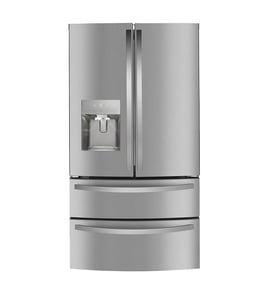
KitchenAid Refrigerator Parts — Browse All Models
Fixing and maintaining your Kitchenaid refrigerator is easier with OEM parts from Sears PartsDirect. Whether your fridge won’t start, won’t cool or shows a blank display, we’ll help you track down the right replacement part. Simply enter your model number in the search bar above, or browse the list of Kitchenaid refrigerator models below.
Browse by Category
Refrigerators
KitchenAid KWE200AE refrigerator
 Error Codes
KitchenAid KWI200AE refrigerator
KitchenAid KWI200 refrigerator
KitchenAid KWE200 refrigerator

 Owner’s manual
Frequently bought KitchenAid parts
Dishrack Adjuster Kit - Dishwasher Rack Component By Whirlpool
In Stock
$40.47
13% OFF Phone Price : $46.47

Qty

Dishrack Adjuster Kit (w10712394) - Dishwasher Rack Component By Whirlpool
In Stock
$38.64
13% OFF Phone Price : $44.64
Qty
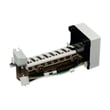
Whirlpool Refrigerator Ice Maker Assembly
In Stock
$105.13
10% OFF Phone Price : $117.13
Qty
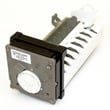
Whirlpool Refrigerator Ice Maker (d7824706q)
In Stock
$98.80
11% OFF Phone Price : $110.80
Qty
Dryer Heating Element Wire Kit
In Stock
$10.72
16% OFF Phone Price : $12.72
Qty
Dishwasher Circulation Pump-to-sump Hose
In Stock
$42.54
12% OFF Phone Price : $48.54
Qty
Popular maintenance items for Refrigerators
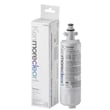
Kenmore Refrigerator Water Filter 9690 (agf80300801)
In Stock
$93.59
6% OFF Phone Price : $99.59
Qty
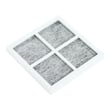
Fresh Air Filter (adq73214408) - Refrigerator Air Filtration Component By Lg
In Stock
$30.93
26% OFF Phone Price : $42.05
Qty
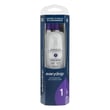
Whirlpool Everydrop 1 Refrigerator Water Filter
In Stock
$75.14
10% OFF Phone Price : $83.46
Qty
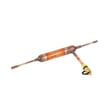
Lg Refrigerator Filter Dryer
In Stock
$108.25
10% OFF Phone Price : $120.25
Qty
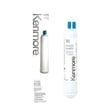
Kenmore Refrigerator Water Filter
In Stock
$64.84
11% OFF Phone Price : $72.85
Qty
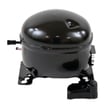
Lg Refrigerator Compressor
In Stock
$616.58
$12.00 OFF Phone Price : $628.58
Qty
How to fix Kitchenaid refrigerator power and startup problems
If your fridge won’t turn on or shuts down randomly, the issue may involve the control board, start relay or capacitor.
Display is blank and fridge isn’t running
Power loss or blinking lights often signal a failed control board. Learn how to replace a refrigerator electronic control board to bring the unit back online.
Clicking noise and no cooling
If you hear repeated clicking near the compressor and the fridge won’t start, the start relay or capacitor may have failed. Use these guides to replace the compressor start relay or replace the run capacitor.
Kitchenaid refrigerator parts in stock
We carry electrical parts that control and protect your refrigerator’s core systems.
Common replacement parts:
- Electronic control boards
- Run capacitors
- Start relays
- Compressor overloads
- Wiring harnesses and fuse kits
KitchenAid refrigerator FAQs
Q: Why does my refrigerator make a loud buzzing or clicking sound?
A: Buzzing can mean the ice maker is trying to fill without water, while clicking often signals compressor relay issues. Check the water supply and inspect the start relay.
Q: How do I reset the control panel on my refrigerator?
A: Most models have a reset button or require a combination of key presses. Check your manual or unplug the unit for 5 minutes to force a reset.
Q: Why is water pooling under my KitchenAid refrigerator crisper drawers?
A: This often points to a clogged defrost drain. When the defrost cycle runs, melted ice has nowhere to go and collects inside the compartment.
Q: Is it safe to use a KitchenAid refrigerator with a torn gasket?
A: No. Torn door seals let warm air in, causing the fridge to overwork and increasing your energy bill. Replace gaskets promptly.
Q: What does it mean if my refrigerator is running constantly?
A: It may be working harder due to dirty condenser coils, a broken door gasket, or a faulty defrost system. Check for ice buildup or warm air leaks.
Parts & More
Elliptical Machine
Farming Equipment
Front-Engine Lawn Tractor
Gas Line Trimmer
Gas Walk-Behind Mower
Lawn Vacuum
Storm & Screen Doors
Treadmill
Water Softener