Owner’s manual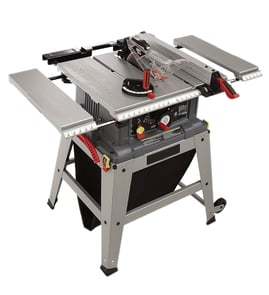

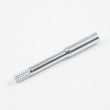
Where is the reset button on a Craftsman table saw?
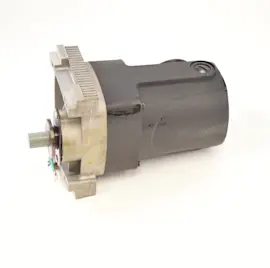
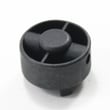
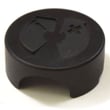
On many Craftsman table saws, including model 315218050, the “reset” is part of the motor’s overload protection, not a big button on the front. It’s typically accessed at the motor end under small caps, where you press the internal reset mechanism to restore power after an overload.
What to check first (safe, quick steps)
- Unplug the saw and let the motor cool for 15 to 30 minutes.
- Verify the outlet has power (try a different tool or a lamp).
- Check the extension cord: use a heavy-duty cord and keep it as short as practical.
- Make sure the blade spins freely by hand (with the saw unplugged).
- Reduce load: use a sharp blade and slower feed rate.
Where the reset is usually located
Most bench and contractor-style Craftsman saws use a motor overload reset located:
- On the end of the motor housing, sometimes behind two small plastic caps.
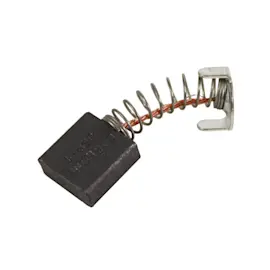
- Near the brush caps on some universal-motor designs.
Use your 315218050 documentation to confirm the exact motor layout and access points before removing any covers: owner's manual.
Symptoms and likely causes
| What you see | What it usually means | What to do |
|---|---|---|
| Saw stops mid-cut | Motor overload tripped | Cool down, reset overload, reduce cutting load |
| Hums but won’t spin | Blade jam, bad start circuit, or heavy load | Unplug, free blade, inspect drive components |
| Starts then trips quickly | Dull blade, binding fence, or electrical issue | Align fence, use sharp blade, check power source |
Why it matters
The overload reset protects the drive system from overheating and damage. If it trips repeatedly, the saw is telling you there’s excessive load, binding, or an electrical problem that needs correction before continued use.
For replacement parts by model number, search 315218050 on Sears PartsDirect.
Last updated: February 2026
Does Craftsman make a good table saw?
Yes, Craftsman can make a good table saw for DIY and homeowner use, and the Craftsman 315218050 is a solid 10-inch table saw when it is set up correctly and maintained. For best results, we follow the safety, adjustment, and operating guidance in the 315218050 operator's manual.
What “good” means for a table saw
A “good” table saw is one that stays accurate, cuts consistently, and operates safely. For most owners, that comes down to setup, blade choice, and alignment more than the brand name.
Common strengths many owners look for:
- Good value for basic ripping and crosscutting
- Sturdy feel for typical shop projects
- Straight cuts when the fence and blade are aligned
- Easy blade height and bevel adjustments when mechanisms are clean
How to get the best performance from your 315218050
If cuts are rough, out of square, or the saw feels underpowered, these are the first checks we make:
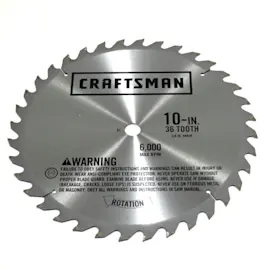
- Use the right blade for the job (a rip blade typically has fewer teeth for ripping)
- Confirm the blade is mounted correctly and not installed backwards
- Keep the height and bevel adjustment mechanisms moving freely
- Verify the fence and miter gauge are set square to the blade
- Use proper feed rate; forcing stock makes the motor labor
If you are chasing accuracy issues, our table saw bad angle cuts guide walks through the most common alignment causes.
Quick comparison: DIY use vs. pro use
| Use case | Typical fit for Craftsman table saws | What matters most |
|---|---|---|
| DIY projects, home shop | Strong fit | Setup, blade selection, safe technique |
| Frequent precision cabinetry | Mixed fit | Fence accuracy, repeatability, jigs/sleds |
| Jobsite daily production | Mixed fit | Durability under heavy use, fast adjustments |
Why it matters
Most “brand” complaints trace back to alignment, a dull or wrong blade, or a binding adjustment mechanism. When the saw is tuned and the blade matches the cut, you get cleaner results, less motor strain, and safer operation.
If you need replacement parts for the Craftsman 315218050, start with the model parts list, or search by model number on Sears PartsDirect.
Last updated: February 2026
What not to do with a table saw?
For the Craftsman 315218050 table saw, do not cut freehand, stand in line with the blade, reach over or behind the blade, or run the saw without the blade guard unless the owner's manual specifically directs it for that operation; these mistakes greatly increase kickback and contact risk.
Table saw actions to avoid (high risk)
- Do not perform any operation freehand; always guide the work with the rip fence or miter gauge.
- Do not stand directly behind the workpiece or in the blade’s line of cut.
- Do not reach behind, over, or within about 3 inches of the blade while it is moving.
- Do not use the rip fence as a cutoff gauge when crosscutting; move the fence out of the way.
- Do not remove jammed cutoff pieces until the blade stops and the saw is unplugged.
- Do not try to free a stalled blade until the saw is OFF and disconnected from power.
What to do instead (safer habits that prevent kickback)
- Use a push stick or push block to feed stock past the blade, especially for narrow rips.
- Keep the blade sharp and keep the rip fence parallel to the blade.
- Keep the riving knife/spreader/splitter, anti-kickback pawls, and blade guard installed and working whenever the cut allows.
- Support long or wide boards at the rear and sides of the table (use outfeed support).
- Let the blade reach full speed before feeding the workpiece; feed against blade rotation.
Quick guide: common “don’t” vs “do”
| Situation | Do not | Do instead |
|---|---|---|
| Ripping | Freehand the cut | Lock the rip fence and use a push stick |
| Crosscutting | Use rip fence as a stop | Use the miter gauge; move fence away |
| Narrow stock | Push with fingers near blade | Use push block/push stick |
| Kickback risk | Stand in line with cut | Stand slightly to the side |
Why it matters
Most table saw injuries and scary incidents come from two things: blade contact and kickback (the board gets grabbed and thrown back). The safe setup steps in the manual reduce both by controlling the workpiece and keeping your body out of the danger path.
Parts and diagrams
If you need to identify or replace safety-related components (like the blade guard hardware or fence parts), use the model diagrams for Craftsman 315218050, or search by model on Sears PartsDirect.
Last updated: February 2026
What are the parts of a table saw?
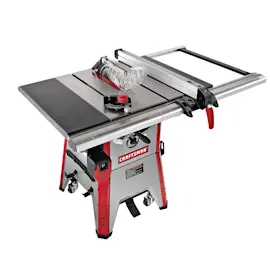
A Craftsman table saw like model 315218050 is built around the saw table and blade system, plus guiding and safety components that control the cut and reduce kickback. Key parts include the main table, throat plate (insert), rip fence, miter gauge, blade height handwheel, and the blade guard assembly.
Main table saw parts (what they do)
- Main table: The flat work surface that supports the wood during cuts.
- Throat plate (insert): Surrounds the blade opening in the table; supports the workpiece close to the blade.
- Arbor: The shaft the blade mounts to.
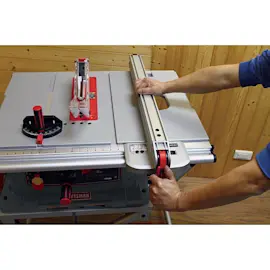
- Rip fence: Guides the workpiece for lengthwise (rip) cuts; locks in place and references the front rail scale.
- Miter gauge: Guides crosscuts and miter cuts using the miter slot.
- Blade height handwheel: Raises and lowers the blade for depth of cut.
- Bevel handle/tilt mechanism: Tilts the blade for bevel and compound cuts.
- Blade guard assembly: Includes the spreader/riving knife style component, anti-kickback pawls, and the plastic blade guard.
Safety and control components you should recognize
These parts directly affect cut quality and kickback risk:
- Spreader (part of the guard assembly): Helps keep the kerf open during ripping.
- Anti-kickback pawls: Help prevent the workpiece from being thrown back toward the operator.
- Switch assembly with removable key: Lets you lock the saw OFF by removing the key.
Quick reference: common parts and when you use them
| Part | Most common use | Why it matters |
|---|---|---|
| Rip fence | Rip cuts | Keeps the cut straight and repeatable |
| Miter gauge | Crosscuts, miters | Controls angle and reduces binding |
| Throat plate | All cuts | Supports stock near the blade opening |
| Blade guard assembly | Through-cuts | Reduces contact risk and helps prevent kickback |
Why it matters
Knowing the names and roles of table saw parts helps you set up accurate rip cuts, bevel cuts, and compound cuts, and it makes troubleshooting easier when you see symptoms like burning, wandering cuts, or kickback.
For diagrams and model-specific component names for 315218050, use the 315218050 owner's manual. For common setup and usage questions, we also recommend table saw common question. If you need to look up replacement parts by model number, start with the parts list for this model or search on Sears PartsDirect.
Last updated: February 2026