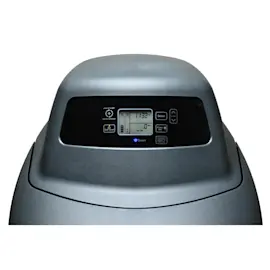
Owner’s manual
 Error Codes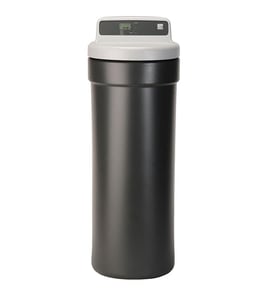





What is the life expectancy of a whirlpool water softener?
A Whirlpool water softener like model WHES20 typically lasts 8 to 10 years. Water hardness, iron content, and overall water usage drive how fast the resin bed and valve components wear, so heavy demand or high-iron water can shorten that lifespan.
What usually wears out first
These are the most common age-related failure points we see in water softeners:
- Resin beads breaking down (reduced softening capacity)
- Valve wear that causes poor regeneration or hard water bleed-through
- Motor or drive components stalling or clicking during regeneration
- Nozzle/venturi restrictions that prevent proper brine draw
- Seals and O-rings leaking internally or externally
Signs your WHES20 is nearing end of life
Use these quick checks to decide whether you are dealing with a setup issue or aging parts:
- Water feels hard again soon after regeneration
- Soap does not lather well; spotting on dishes and fixtures returns
- Noticeably lower water pressure at multiple fixtures
- Unit frequently regenerates or seems to run at the wrong times
- Motor stalls or clicks during a cycle
Quick troubleshooting before replacing the softener
Many “worn out” symptoms are actually programming or water-condition changes.
- Confirm the time of day setting is correct
- Re-test raw water hardness and iron; update the hardness setting
- Avoid using hot water while the softener is regenerating
- Fix leaking toilets or faucets (small leaks waste a lot of softened water)
- Clean the nozzle/venturi if brine draw is weak
For the exact programming steps and water hardness setup, follow the owner's manual.
Parts vs. full replacement: what makes sense
| Situation | What it usually means | Typical next step |
|---|---|---|
| Hard water but unit still cycles | Settings, venturi/nozzle restriction, or valve wear | Clean venturi; verify settings; inspect valve |
| Motor stalled or clicking | High torque from valve wear or a failing motor | Replace valve wear parts or motor |
| Frequent leaks or repeated hard-water issues after repairs | Multiple components worn | Consider replacing the softener |
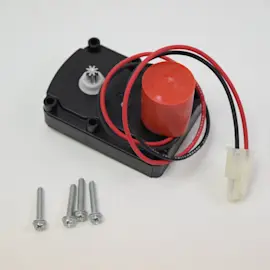
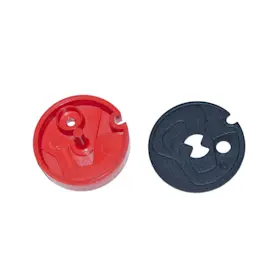
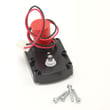
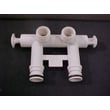
If you are repairing a stalled/clicking drive, the manual commonly points to valve wear parts and the motor. For WHES20, common replacements include the disc seal kt 7129716 and the rep'l motor 7286039.
Why it matters
A softener that is past its service life can waste salt and water, regenerate too often, and still let hardness minerals through. Catching wear early helps protect water heaters, plumbing, and fixtures from scale.
Last updated: February 2026
How much does it cost to have a water softener put in your home?
Installing a water softener in a home typically costs $500 to $3,000 total (unit plus installation). For a Whirlpool WHES20-type softener, your final price mainly depends on plumbing changes, drain and electrical access, and whether you add a pressure-reducing valve or expansion tank.
What drives the installation price
These items usually make the biggest difference in labor and materials:
- Plumbing modifications: adding shutoff valves, rerouting copper/PEX, or replacing old fittings
- Drain setup: creating a proper drain connection and air gap for the valve drain line
- Electrical access: a nearby, unswitched outlet for the 24V transformer power supply
- Water pressure corrections: adding a pressure-reducing valve if inlet pressure is too high
- Backflow/thermal expansion needs: adding an expansion tank when required by your plumbing setup
- Location constraints: tight spaces, long runs to the main line, or difficult access
Typical cost ranges (what most homeowners see)
Use these as practical planning numbers.
| Cost item | Typical range | Notes |
|---|---|---|
| Water softener unit | $400 to $1,800 | Capacity and features drive price most |
| Basic professional installation | $300 to $1,200 | Assumes straightforward tie-in near main line |
| Extra plumbing parts and upgrades | $100 to $1,000+ | Valves, fittings, bypass changes, drain materials |
| Pressure-reducing valve or expansion tank (if needed) | $150 to $800+ | Depends on what your home requires |
WHES20 installation requirements that can add cost
Your WHES20 has a few requirements that can affect the scope of work:
- It needs at least 3 GPM water flow at the inlet.
- Maximum allowable inlet pressure is 125 PSI; if your daytime pressure is over 80 PSI, nighttime pressure can exceed the maximum.
- It uses 24V, 60 Hz power from a plug-in transformer; the outlet should not be switch-controlled.
For the exact placement, drain, and hookup requirements, follow the owner's manual.
Why it matters
A water softener that is installed with the correct drain routing, inlet pressure, and electrical supply regenerates properly and protects the valve, seals, and resin bed. That helps prevent issues like no soft water, leaks, or frequent regeneration.
Last updated: February 2026
How do I check if my Whirlpool water softener is working?
For your Whirlpool WHES20 water softener, the most reliable way to confirm it’s working is to run the manual “advance regeneration check” and watch for the correct actions in each cycle (brine tank fill, brine draw, and strong drain flow). Use the steps in the owner's manual while you observe the brinewell and drain hose.
Quick checks before you start
- Confirm the bypass valve is in service (not bypass).
- Make sure the display shows a steady time (not flashing).
- Verify there is salt in the brine tank and water is contacting the salt (no salt bridge).
- Open a nearby soft water faucet and confirm you have normal flow.
- If an error code is showing, enter diagnostics first (per the manual).
Manual regeneration check (what to look for)
Use the manual’s “advance regeneration check” to step through cycles with the RECHARGE button.
| Cycle you advance to | What “normal” looks like | If it’s not happening, check these common causes |
|---|---|---|
| Fill | Water enters the brine tank (look into brinewell with a flashlight) | Plugged nozzle/venturi, restricted brine tubing, clogged fill path; see nozzle kit 7187772 and water softener flow plug 1148800 |
| Brining (brine draw) | Slow drain flow; brinewell liquid level drops (may take 15 to 20 minutes) | Dirty nozzle/venturi, gasket not seated, drain hose back-pressure, brine valve/tubing obstruction; see water softener venturi gasket 7204362 |
| Backwash / fast rinse | Fast flow to the drain hose | Plugged distributor or drain restriction; see water softener distributor, lower 7105047 |
Check the water meter reading (diagnostics)
In diagnostics, the display should change as water flows.
- With no water running: reading stays steady.
- With a soft water faucet open: numbers should count as water passes.
- If it does not count: the turbine or sensor area may be the issue; inspect/clean the turbine; see Whirlpool water softener turbine 7117858.
Why it matters
A softener can look “on” but still fail to regenerate correctly. Watching fill, brine draw, and drain flow confirms the valve motor, venturi/nozzle, and drain path are doing their jobs, which directly affects water hardness and salt usage.
Last updated: February 2026
What are the common problems with water softener systems?
Common water softener problems on the Whirlpool WHES20 usually come down to salt and brine issues, restricted drain flow, incorrect settings (time or hardness), and valve or motor wear that prevents proper regeneration. Use the WHES20 owner's manual to match your symptom to the correct checks and settings.
Most common issues we see
- Salt problems: low salt, salt bridging, or salt mush that prevents making strong brine
- No soft water or water hard sometimes: time or hardness setting is wrong, or raw water hardness has changed
- Drain and flow restrictions: a kinked or plugged valve drain hose can stop regeneration from completing
- Pressure problems: low pressure can disrupt brine draw; very high pressure can damage valve parts
- Valve sealing wear: internal seals can leak or stick, causing poor softening and wasted salt
- Motor or drive problems: stalled or clicking motor during regeneration
Quick checks (in order)
- Confirm the basics: salt level is above the water line in the brine tank and there is no salt bridge.
- Check settings: verify the time of day and water hardness number are set correctly.
- Avoid hot water during regeneration: using hot water while regenerating can refill the water heater with hard water.
- Inspect the drain hose: make sure it has no kinks, sharp bends, or blockage.
- Look for leaks: even small toilet or faucet leaks can waste hundreds of gallons and force frequent regeneration.
Symptom-to-likely-cause guide
| Symptom | Most likely cause | What to do next |
|---|---|---|
| Water hard sometimes | Wrong time or hardness setting | Recheck programming in the manual |
| Unit won’t draw brine | Low pressure or drain restriction | Verify pressure and clear hose restrictions |
| Motor stalled/clicking | High torque from valve wear or bad motor | Inspect valve components; consider rep'l motor 7286039 |
| Error codes (Et, E3, E4) | Position switch/wiring, valve torque, or motor | Use Whirlpool error codes to narrow it down |
Why it matters
A water softener only works when it can regenerate on schedule and draw brine correctly. Incorrect hardness settings, restricted drain flow, or worn valve parts can leave you with hard water, scale buildup, and higher salt and water use.
Last updated: February 2026