 Owner’s manual


What is the capacity of the Maytag mhwe300vw12?
The Maytag MHWE300VW12 front-load washer is commonly listed as having a 4.0 cu. ft. capacity. For the most reliable, model-specific confirmation (and load-size guidance by cycle), we recommend checking the specifications section in the MHWE300VW12 user manual.
Capacity can vary by closely related model numbers (such as MHWE300VW11 vs MHWE300VW12), so we use the model’s documentation when you need a definitive spec.
- Look for “Capacity” or “Washer capacity” in the specifications pages
- Check any cycle chart notes about maximum load size
- Match the full model number MHWE300VW12 on the rating label to avoid mix-ups
- If you are comparing listings online, verify they reference MHWE300VW12 (not just “MHWE300VW”)
Using the right load size helps this Maytag 3000 series style front-load washer clean better and avoid issues like poor rinsing, excess suds, or vibration.
- Overloading can reduce tumbling action and leave detergent residue
- Underloading can cause unbalanced loads and extra noise
- Correct loading helps protect components like the washer shock absorber W10822553 and suspension system
| Load type | Typical examples | Practical tip |
|---|---|---|
| Small | A few shirts, light items | Use less detergent; HE detergent only |
| Medium | Mixed everyday laundry | Leave space at the top for tumbling |
| Large | Towels or bedding | Wash bulky items in smaller batches to reduce vibration |
Last updated: January 2026
What's the average lifespan of a Maytag washer?
Maytag washers like the Maytag MHWE300VW12 commonly last about 10 to 13 years with normal household use, and many run longer when they are kept clean, not overloaded, and repaired promptly. Your actual lifespan depends most on usage, water quality, and maintenance habits.
- Load size and frequency: fewer overloads and fewer back-to-back loads reduce wear on the tub, bearings, and motor.
- Detergent habits: using the right amount (especially HE detergent for front-loaders) helps prevent residue and odor.
- Moisture control: leaving the door ajar between loads helps protect the door boot and reduces mildew.
- Drain health: coins, lint, and small items can strain the drain system and pump.
- Fast fixes: addressing leaks, unusual noise, or error codes early prevents secondary damage.
Use the care steps and cleaning guidance in the MHWE300VW12 washer manual.
- Run a periodic cleaning cycle (or hot wash) to reduce detergent buildup.
- Wipe the door glass and gasket area after laundry day.
- Check pockets to keep debris out of the drain path.
- Level the washer to reduce vibration and suspension wear.
- Inspect hoses for bulges or seepage and replace as needed.
| Usage pattern | Common outcome | What to watch for |
|---|---|---|
| Light (few loads/week) | Often exceeds 10 years | Rubber seals drying out, minor leaks |
| Average (most households) | Around 10 to 13 years | Drain issues, vibration, door lock wear |
| Heavy (large family, daily use) | Can be shorter | Pump strain, suspension wear, control issues |
If the washer is otherwise in good shape, replacing a common wear item can be a smart way to keep it running. For example, a slow drain or no-drain symptom often points to the pump 280187 (after checking for clogs and proper drain hose setup).
Knowing the typical lifespan helps you decide whether to invest in maintenance and parts now or plan for replacement later. On a front-load washer, small issues like residue buildup or minor leaks can shorten life if they are ignored.
Last updated: January 2026
What is the most common problem with a Maytag washer?
For the Maytag MHWE300VW12 washer, the most common customer-reported issues are “won’t drain” or “won’t spin,” which often trace back to a drain restriction, a failing door lock, or a control-related problem that stops the cycle before high-speed spin. Use the MHWE300VW12 washer manual to match symptoms to checks safely.
- Washer won’t drain or leaves water in the tub: drain pump or drain path issue
- Washer won’t spin or stops before final spin: door lock not confirming locked, out-of-balance, or control issue
- Water leaking at the front: door boot (bellows) damage or clamp issue
- Excessive vibration or banging: worn shock absorbers or suspension components
- Slow fill or no fill: inlet valve or supply restriction
- Confirm the door closes firmly and latches; try a different cycle.
- Check the drain hose for kinks and verify the standpipe is not clogged.
- Reduce load size and redistribute items (especially towels and blankets).
- Verify hot and cold supply valves are fully open and inlet screens are not blocked.
- If the washer displays an error, use a Maytag front-load error code reference such as Maytag maxima front load washer error codes to narrow the failure area.
| Symptom | Likely area | Example compatible part for this model |
|---|---|---|
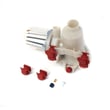
| Won’t drain, humming, water left in tub | Drain pump | Pump 280187 |
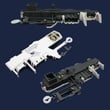
| Won’t spin, door won’t lock/unlock correctly | Door lock system | Washer door lock WP8183270 |
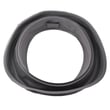
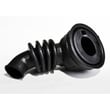
| Leaks at door, musty odor around opening | Door boot and clamp | Washer door boot WP8182119 |
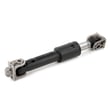
| Shakes or walks during spin | Suspension/damping | Washer shock absorber W10822553 |
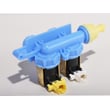
| Slow fill or no fill | Water inlet valve | Washer water inlet valve WP8182862 |
Drain and spin problems can leave clothes soaking wet and can strain the motor control system if the washer repeatedly tries to ramp up to spin with a locked-door or drain issue. Catching the root cause early helps prevent repeat failures.
Last updated: January 2026
Is it worth fixing a Maytag washer?
Fixing a Maytag washer is often worth it when the issue is a common wear part and the total repair cost stays well below the price of a comparable new washer. For the Maytag MHWE300VW12, we recommend using the troubleshooting and maintenance guidance in the MHWE300VW12 user manual to confirm the failure before buying parts.
Use these practical checkpoints for MHWE300VW12:
- Repair is usually worth it when the washer has a single symptom (won’t drain, won’t fill, door won’t lock) and the fix is a serviceable part.
- Replace is often smarter when multiple major symptoms stack up (leaks plus noise plus control issues) or the tub and bearing area is failing.
- Prioritize safety and water damage prevention; leaks and no-drain problems can escalate quickly.
- Consider downtime; if you need laundry running today, a simple part swap can beat shopping and delivery.
- Check for repeat failures; the same issue returning can point to a deeper root cause.
These are frequent front-load washer fixes where parts replacement is typically straightforward:
- Not draining or stopping mid-cycle: inspect the drain path and consider the pump 280187.
- Door won’t lock or cycle won’t start: check the latch system and consider the washer door lock WP8183270.
- Slow fill or fill errors: verify water supply and screens; the washer water inlet valve WP8182862 is a common fix.
- Leaks at the door opening: inspect the bellows; the washer door boot WP8182119 and clamp condition matter.
| Situation | Typical effort | Usually worth fixing? |
|---|---|---|
| Won’t drain (pump or blockage) | Low to medium | Yes |
| Won’t fill (valve or screens) | Low | Yes |
| Door won’t lock | Low to medium | Yes |
| Loud rumble, heavy vibration, tub/bearing suspicion | High | Sometimes |
A targeted repair on a Maytag front-load washer can restore reliable washing for years, but replacing the wrong part can waste money. Confirming the symptom and the likely failed component first helps you avoid repeat breakdowns and prevents leaks, odor, and laundry downtime.
Last updated: January 2026





