Owner’s manual
 Error Codes


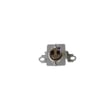

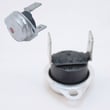
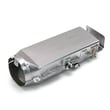
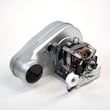
What are signs of a bad dryer heating element?
If your Samsung dryer model DVE52M7750W runs and tumbles but produces little to no heat, the heating element (electric models) is a top suspect. In some cases, a damaged element can also cause overheating, burning smells, or repeated shutdowns from safety devices; see the safety and operation guidance in the DVE52M7750W user manual.
Common signs the heating element is failing
- Dryer tumbles normally but clothes stay cold and damp at the end of the cycle
- Heat is intermittent (some loads dry, others do not)
- Cycle time gets much longer than normal (especially on Sensor Dry cycles)
- Burning smell or scorching on fabrics (stop using the dryer until checked)
- Dryer shuts off mid-cycle and then runs again after cooling (possible high-limit trip)
Quick checks before you blame the element
A “no heat” complaint on DVE52M7750W is not always the element. Check these first:
- Lint screen: clean it before or after every load
- Exhaust venting: crushed, kinked, or clogged ducting can mimic a heat failure
- Cycle and settings: confirm you are not using AIR FLUFF or Extra Low temp
- Load size: overloading can prevent proper airflow and even drying
What else can cause “no heat” (and how it compares)
| Symptom | More likely cause | Why it looks like a bad element |
|---|---|---|
| No heat at all | Thermal fuse, thermostat, wiring, control issue | Heater never gets power |
| Heat at first, then none | Vent restriction, high-limit thermostat | Safety opens when overheating |
| Long dry times but some heat | Clogged vent, weak airflow, moisture sensor issue | Heat is present but not effective |
For step-by-step diagnosis help, use our electric dryer wont heat troubleshooting video and dryer takes a long time to dry guidance.
Why it matters
A failing heating circuit or restricted airflow can overheat the dryer and damage clothing, and it can also trip safety devices that stop heat. Catching the symptoms early helps prevent bigger repairs.
Last updated: January 2026
Is it worth replacing a heating element in a Samsung dryer?
Yes, it’s usually worth replacing the heating element in a Samsung dryer like model DVE52M7750W when the dryer is otherwise in good shape and the no-heat problem is confirmed by diagnosis. It’s typically not worth it if there are multiple major failures, repeated overheating issues, or visible wiring damage.
Quick decision checklist (DVE52M7750W)
We recommend deciding only after you confirm the root cause of “won’t heat”, because a heating element is just one of several common heat-related failures.
- Confirm the dryer has proper power (electric models need full 240V supply to heat).
- Check airflow first: lint screen, blower housing, vent duct, and outside hood.
- Look for signs of overheating (burnt smell, scorched terminals, melted wire insulation).
- Consider the dryer’s overall condition: drum rollers, belt, idler pulley, and motor noise.
- If you replace the element, plan to address the cause (often restricted venting) so it doesn’t fail again.
When replacement is usually a good value
A heating element replacement is commonly a good value when:
- The dryer tumbles normally and controls work correctly.
- The cabinet and wiring look clean and undamaged.
- The vent system is clear and correctly installed.
- The dryer has been reliable aside from the heating issue.
For model-specific safety and operating guidance, follow the DVE52M7750W user manual.
When replacement is usually not the best choice
It’s often better to consider a different repair plan (or replacement) when:
- The dryer repeatedly trips a breaker or blows thermal cutoffs.
- You find heat damage at the terminal block, heater housing, or harness connectors.
- The dryer also has expensive secondary problems (control board issues, severe noise, drum support wear).
Common “no heat” causes vs. heating element
| Symptom | More likely cause | Element likely? |
|---|---|---|
| Runs but no heat (electric) | Power supply issue (missing leg of 240V) | Sometimes |
| Runs but takes forever to dry | Vent restriction or crushed duct | Unlikely |
| Heats briefly then stops | Cycling thermostat, thermistor, thermal cutoff | Sometimes |
| Error code shown | Sensor or control-detected fault | Depends |
If you’re seeing an information code, use Samsung dryer error codes to narrow the diagnosis.
Why it matters
Replacing the heating element without fixing airflow or an electrical supply problem can lead to repeat failures, longer dry times, and overheating risk. A quick vent and power check often saves time and money.
Last updated: January 2026
What is the common problem with Samsung dryers?
A very common issue we see on Samsung dryers like model DVE52M7750W is no heat or weak heat, which shows up as clothes taking too long to dry or coming out damp. The most frequent causes are a failed heating system component (electric or gas) or restricted airflow from lint buildup or a crushed vent (see the troubleshooting section in the DVE52M7750W user manual).
Most common symptoms (what you notice)
- Dryer runs but doesn’t heat
- Dryer heats at first, then stops heating mid-cycle
- Long dry times even on high heat
- Burning smell or unusually hot cabinet (often airflow-related)
- Error or information codes on the display (use Samsung dryer error codes)
What usually causes it (and what to check first)
We recommend starting with airflow checks because they are fast, common, and can also prevent repeat failures.
- Clean the lint screen before every load
- Check the outside vent hood for a stuck flap, lint, or nesting
- Inspect the exhaust duct for kinks, crushing, or long runs with too many elbows
- Run the built-in Vent Blockage Test (outlined in the manual)
- If airflow is good, move to heat components: thermal fuse/thermal cut-off, thermistor, heating element (electric), igniter and gas valve coils (gas)
Quick guide: symptom-to-likely cause
| Symptom | More likely cause | First action |
|---|---|---|
| Runs, no heat | Heating element (electric) or igniter/coils (gas); thermal fuse | Verify airflow, then test heat circuit |
| Long dry times | Vent restriction; lint buildup; duct too long | Run vent blockage test; clean duct |
| Heats then stops | Restricted vent; cycling thermostat/thermistor issue | Check venting and lint buildup |
| Code on display | Sensor/door/heat/communication issue | Look up the code and follow checks |
Why it matters
A restricted vent can make any dryer dry slowly and can also overheat the heater housing, which can lead to repeated thermal fuse or thermal cut-off failures. Fixing airflow first often restores normal drying and helps protect key parts.
Last updated: January 2026