Owner’s manual
 Error Codes




How much does a whole house water softener system cost?
A whole-house water softener system like the Whirlpool WHES30 typically costs about $1,000 to $3,000 installed in many homes, depending on water hardness, plumbing complexity, and local labor rates. The softener itself can be a few hundred dollars to several thousand, based on capacity and features.
What drives the total price?
Common cost drivers for a whole-home softener installation include:
- Water hardness level (gpg) and iron content; harder water often needs higher capacity and more frequent regeneration
- System type (salt-based ion exchange vs. salt-free conditioning)
- Grain capacity and flow needs (home size, bathrooms, peak demand)
- Plumbing modifications (bypass valve, shutoffs, drain routing, pipe material)
- Electrical outlet and drain access near the install location
- Optional add-ons (sediment prefilter, pressure-reducing valve, expansion tank where required)
Typical cost ranges (unit vs. installed)
| Cost item | Typical range | What it includes |
|---|---|---|
| Softener unit only | $300 to $7,000 | Equipment cost varies by capacity, controls, and brand |
| Professional installation | $300 to $1,500 | Labor, basic fittings, startup/testing (varies by region and complexity) |
| Total installed (common) | $1,000 to $3,000 | A typical whole-home setup in many homes |
Model-specific notes for Whirlpool WHES30
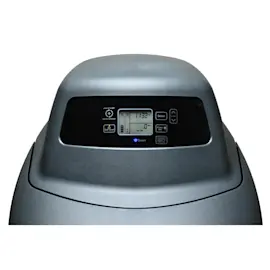
The WHES30 is a demand-controlled water softener; installation requirements that can affect cost include having a nearby drain for regeneration discharge, proper inlet water pressure, and a suitable electrical outlet. For placement and hookup details, follow the WHES30 water softener manual.
Why it matters
Sizing and installation details directly affect performance and operating cost. A properly sized softener reduces scale buildup in plumbing and water-using appliances, helps soap work better, and can lower maintenance on fixtures and water heaters.
Last updated: January 2026
What are the most common issues with WHES30?
The most common issues we see with the Whirlpool WHES30 water softener are “no soft water,” salt not being used, leaking around the valve area, and display or regeneration problems. These usually trace back to settings, salt bridging, restricted venturi/nozzle flow, worn seals and O-rings, or a control/sensor fault; use the WHES30 owner's manual to match symptoms to checks.
Common WHES30 symptoms and likely causes
- No soft water: hardness setting incorrect, unit stuck in bypass, resin exhausted, or venturi/nozzle restricted
- Salt level doesn’t drop: salt bridge or mush, brine valve float stuck, venturi not drawing brine
- Leaking water: worn valve seals, cracked fittings, loose ferrule nuts, damaged O-rings
- Won’t regenerate or cycles incorrectly: rotor/disc wear, rotor position switch issue, control board problem
- No display or intermittent power: transformer issue, loose wire harness connection
Quick checks we recommend first
- Confirm the unit is not in bypass and the inlet/outlet plumbing is correct.
- Verify time of day and hardness setting; wrong settings cause frequent hard water complaints.
- Break up salt bridging (a hard crust) and remove salt mush (sludge) in the brine tank.
- Clean the nozzle/venturi area; a restriction prevents proper brine draw.
- Inspect for drips at the valve and fittings; replace seals/O-rings if seepage is present.
Parts that commonly solve these problems
| Symptom | Part to inspect/replace | What it affects |
|---|---|---|
| Leaks at valve | Kenmore water softener seal kit 7129716 | Sealing surfaces inside the valve body |
| No brine draw, poor regeneration | Water softener nozzle and venturi with gasket 7187772 | Creates suction to pull brine during regen |
| Erratic cycling or stuck position | Waterworks water softener rotor position switch 7030713 | Tells the control where the rotor is |
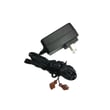
| Dead display or no power | Water softener power transformer 7351054 | Supplies low-voltage power to controls |
Why it matters
When the WHES30 cannot draw brine or seal properly, it either fails to regenerate (hard water returns) or leaks and wastes water and salt. Catching venturi restrictions and seal wear early prevents bigger valve and resin bed problems.
Last updated: March 2026
What is the life expectancy of a whirlpool water softener?
A Whirlpool water softener like model WHES30 typically lasts 8 to 12 years in normal household use. With good maintenance and reasonable water conditions, it can run longer; the resin bed often becomes the first major wear item and commonly needs attention around the 7 to 10 year mark.
What affects lifespan the most
These factors usually determine whether your WHES30 lands closer to 8 years or closer to 12+ years:
- Water hardness level (higher hardness means more frequent regeneration)
- Iron or sediment in the water (can foul the resin and valve components)
- Salt quality and salt level habits (running out of salt leads to hard water and extra strain)
- Chlorine exposure (can shorten resin life in some water supplies)
- Routine cleaning and correct settings (hardness setting, recharge time, clean feature)
For model-specific maintenance steps and settings, follow the WHES30 owner’s manual.
Typical wear items vs. “whole unit” replacement
Many “end of life” complaints are actually a worn valve seal, a plugged venturi, or tired resin. Here is a practical way to think about it:
| What’s wearing out | Common symptom | Typical fix direction |
|---|---|---|
| Resin media | Hard water returns even though unit regenerates | Consider resin service (see parts list) |
| Nozzle/venturi area | Not using salt, weak brine draw, hard water | Clean or replace venturi parts |
| Valve seals/rotor | Leaks, constant running to drain, poor regeneration | Seal/rotor service |
| Electronics | No display, wrong timing, won’t initiate recharge | Control board or transformer diagnosis |
If you’re troubleshooting brine draw or “not using salt,” the water softener nozzle and venturi with gasket 7187772 is one of the common service parts for this model family.
How to help your WHES30 last longer
- Keep salt above 1/3 full and check it every 2 to 3 weeks until you learn your usage pattern
- Use recommended salt types (pellet, nugget, or coarse solar salt with low impurities)
- Break up salt bridges promptly (hard crust in the brine tank)
- Periodically clean the nozzle and venturi if you notice performance changes
- Verify the hardness setting matches your tested water hardness (and adjust for iron when applicable)
Why it matters
A softener that’s nearing the end of its effective life can waste salt and water, regenerate too often, and still leave you with scale buildup on plumbing fixtures and water-using appliances. Catching wear items early often restores performance without replacing the entire system.
Last updated: January 2026