


What's the average lifespan of a Maytag washer?
Most Maytag washers average 10 to 13 years of service life in a typical household. For your Maytag MAV7700AWW washer, regular maintenance and avoiding chronic overloads are the biggest factors that keep the drive system, drain components, and controls running longer.
What affects washer lifespan the most
- Load size and balance: frequent overloading or washing heavy, unbalanced loads speeds up wear on the drive belt and suspension.
- Drain health: slow draining and repeated pump strain shortens pump life and can lead to leaks.
- Water quality: sediment can restrict inlet screens and reduce fill performance.
- Detergent use: too much detergent increases residue and odor, and can contribute to poor rinsing.
- Vibration and leveling: constant shaking loosens fasteners and stresses moving parts.
Maintenance that helps a Maytag top-load washer last longer
- Keep loads below the top of the basket and distribute items evenly.
- Periodically inspect fill hoses for bulges or cracking; replace as needed with an inlet hose WP89503.
- Check for slow fill and clean the inlet screen if you see reduced water flow.
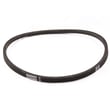
- If you notice slipping, burning rubber smell, or weak agitation/spin, inspect the washer drive belt WP22003483.
- Address “won’t spin” or “won’t start” symptoms quickly; a failing lid switch can stop cycles (see washer lid switch WP22003804).
Common wear items and what they usually cause
| Symptom | Commonly involved part | What you typically notice |
|---|---|---|
| Won’t start or won’t spin | Lid switch | No agitation/spin with lid closed |
| Squeal, slip, weak spin | Drive belt | Rubber smell, slow or no spin |
| Slow fill or fill issues | Inlet hose or screen | Long fill times, low water flow |
Why it matters
A washer that is maintained and repaired early usually costs less to keep running because small issues (like a worn belt or failing lid switch) can cascade into bigger drive, pump, or control problems.
Last updated: February 2026
What is the most common problem with a Maytag washer?
The most common Maytag washer problems are drain and spin failures, leaks, and unusual noises. On the Maytag MAV7700AWW, we most often see these symptoms tied to a lid switch issue, a restricted drain path (hose or pump), or a worn drive belt.
Quick checks we recommend first
- Make sure the load is evenly distributed; an unbalanced load can stop or slow spinning.
- Confirm the washer drains freely; check the standpipe and the washer drain hose for kinks.
- Listen during drain: a loud hum with little water flow points to a drain restriction or pump issue.
- If the washer will not spin at all, check the lid switch function; a failed switch can prevent spin for safety.
- If you hear squealing or burning rubber smells, inspect the belt and pulleys for wear.
Common symptoms and the parts that often fix them
| Symptom | Most likely area | Parts from this model page that commonly apply |
|---|---|---|
| Will not spin or stops mid-cycle | Lid safety circuit | Washer lid switch WP22003804, washer lid switch plunger WP22002754 |
| Won’t drain or drains slowly | Drain path (hose or pump) | Washer drain hose WP22003410 |
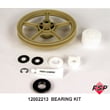
| Loud squeal, thumping, or weak agitation/spin | Drive system | Washer drive belt WP22003483, pulley WP21001950 |
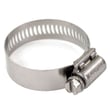
| Leaks at fill or connections | Fill hoses and clamps | Inlet hose WP89503, hose clamp WP285655 |
Why it matters
Drain and spin problems can leave clothes soaking wet and can overwork the drive system. Catching a kinked hose, a failing lid switch, or a worn belt early helps prevent bigger failures and reduces the chance of repeat cycle interruptions.
When to stop and schedule service
- The washer trips the breaker repeatedly.
- You see active leaking near electrical components.
- The tub will not move by hand (possible seized drive components).
Last updated: February 2026
Can I wash a king size comforter in a Maytag washer?
Yes, you can usually wash a king size comforter in a Maytag top-load washer like model MAV7700AWW if the comforter fits loosely in the tub and can circulate during agitation. If it packs in tightly or floats above the waterline, use a laundromat-size machine to prevent poor cleaning and out-of-balance spinning.
How to tell if it will fit (and wash correctly)
A comforter is a good fit when it can move freely and get fully saturated. Use these checks before you start the cycle:
- Load it by itself (no sheets or extra items).
- You should be able to press the comforter down and still have several inches of space to the top of the basket.
- After filling, the comforter should be fully wet, not riding high and dry.
- The washer should agitate without stalling or making repeated thumping.
- If the tub bangs hard in spin, stop and redistribute the load.
Best cycle settings for bulky bedding
For most king comforters in a top-load Maytag washer, these settings reduce stress on the drive system and improve rinsing:
- Water level: highest available
- Cycle: bulky, bedding, or gentle (use the closest option your control panel offers)
- Spin: medium if available (high spin can trigger out-of-balance)
- Extra rinse: yes, if available
- Detergent: use less than a normal load (too much causes suds and poor rinsing)
Quick decision guide
| What you see during the cycle | What it means | What to do |
|---|---|---|
| Comforter tumbles and repositions during agitation | Good circulation | Continue washing |
| Comforter stays packed in one spot | Too tight | Remove and use a larger washer |
| Loud banging in spin more than once | Out-of-balance risk | Pause, redistribute, restart |
| Comforter still soapy after rinse | Over-sudsing or poor rinse | Run an extra rinse, use less detergent next time |
Why it matters
Overloading a comforter can cause poor cleaning, trapped detergent, and repeated out-of-balance spins that strain wear parts like the belt and lid-switch system. If your washer struggles to spin after bulky loads, checking the washer drive belt WP22003483 and the washer lid switch WP22003804 is a practical next step.
Last updated: February 2026
Can I still use my washer with an F7E1 error?
No. When your Maytag MAV7700AWW washer shows an F7E1 error, we recommend stopping use because the washer is detecting a drive or speed-sensing problem that can prevent proper agitation or spinning and can strain the motor and belt system.
What to do first (safe quick checks)
- Press Cancel (if available) and unplug the washer for 5 minutes, then restore power.
- Make sure the load is not overloaded and redistribute items evenly.
- Check that the tub spins freely by hand (with power off); binding points to a mechanical issue.
- Look for a loose, slipping, or damaged drive belt.
- If the washer drains but will not spin, suspect a lid switch or lid switch actuator issue.
Parts that commonly relate to no-spin or drive errors
On the MAV7700AWW, these parts are often involved when the washer cannot confirm safe spinning or consistent drive speed:
| Symptom you notice | Common area to check | Example part for this model |
|---|---|---|
| Won’t spin, acts “dead” when lid is open | Lid safety circuit | Washer lid switch WP22003804 |
| Spins intermittently, squeals, burning rubber smell | Belt and pulley drive | Washer drive belt WP22003483 |
| Lid closes but switch does not engage | Lid switch actuator | Washer lid switch plunger WP22002754 |
Why it matters
F7E1 is the washer telling us it cannot reliably control or confirm basket speed. Continuing to run cycles can turn a simple belt or lid-switch issue into a bigger drive-system problem, plus it can leave clothes soaking wet.
If the error comes back after a reset
Use this targeted approach:
- If the washer will not spin at all: prioritize the lid switch and plunger.
- If it tries to spin but slips: inspect the belt and drive pulley area.
- If it fills and agitates oddly or stops mid-cycle: check for wiring connection issues at the drive components and consider control problems.
For additional Maytag troubleshooting patterns and code behavior, use our DIY reference: how to troubleshoot Maytag centennial washer problems.
Last updated: February 2026


