 Installation guide
 Owner’s manual
 Error Codes
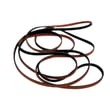


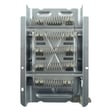
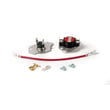
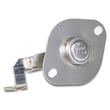
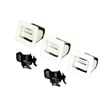
Is it worth replacing a dryer heating element?
Yes; for an Estate TEDX640PQ0 dryer, replacing the heating element is usually worth it when the dryer otherwise runs normally (drum tumbles, timer advances, airflow is good) but you get little or no heat. It is a common, targeted repair that can restore normal drying performance.
Check the simple no-heat causes first
Before buying parts, we recommend confirming the basics from the installation guide. Many “no heat” calls are power-supply or airflow issues.
- Make sure the dryer has power and the cord is fully plugged in.
- Check house fuses or breakers; many dryers use 2 fuses or 2 breakers, and both must be on.
- Run the dryer for 5 minutes, then open the door and feel for heat.
- Confirm the door fully closes and latches.
- Clean the lint screen and verify strong airflow at the exhaust.
When replacing the element makes the most sense
A heating element replacement is a good value when:
- The dryer tumbles but does not heat.
- The cabinet, drum, and controls are in good condition.
- You have no burning smell beyond the brief “first heat” odor that can happen with a new element.
- You plan to keep the dryer for a few more years.
If you need the correct part for this model, the dryer element 279838 is listed for TEDX640PQ0.
What else can cause “no heat” (and what to replace)
On electric dryers, a failed safety device can also stop heat. If the element tests good, these are common next checks.
| Symptom | Common cause | Example part on this model page |
|---|---|---|
| No heat, element looks OK | Thermal cut-off opened | Dryer thermal cut-off fuse kit |
| Overheating, cycling issues | High-limit thermostat problem | Dryer high-limit thermostat |
| Long dry times | Vent restriction or lint buildup | Cleaning and venting issue |
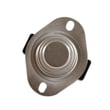
Model-listed options include the dryer thermal cut-off fuse kit 279816 and the dryer high-limit thermostat WP3977767.
Why it matters
A weak or failed heating circuit can turn a normal load into a long, inefficient cycle. Fixing the heat source and addressing airflow together helps prevent repeat failures and keeps drying times consistent.
Last updated: February 2026
What causes a dryer thermistor to fail?
A dryer thermistor typically fails when it is exposed to overheating conditions, moisture or corrosion at the connector, or wiring problems that make it read temperature incorrectly. On an Estate TEDX640PQ0 dryer, airflow restrictions (lint buildup or poor venting) are a common root cause because they drive temperatures higher than normal; see the owner's manual for dryer care and venting basics.
Common causes of thermistor failure
- Restricted airflow from lint buildup in the lint screen housing, blower area, or vent duct
- Loose, damaged, or corroded wire terminals at the thermistor connector
- Heat stress from repeated overheating events (often tied to poor venting)
- Pinched or rubbed-through wiring harness sections inside the cabinet
- A failing blower wheel or motor that reduces airflow and raises operating temperature
Quick checks we recommend before replacing parts
- Disconnect power to the dryer.
- Clean the lint screen and inspect the lint screen area for residue buildup.
- Confirm the vent is 4-inch metal (not plastic or foil) and is not kinked or crushed.
- Check the thermistor wiring for tight, clean connections and any signs of heat damage.
- If the dryer is overheating or shutting down on heat, inspect related safety devices.
Helpful related parts (often involved in overheating symptoms)
| Symptom you notice | What it often points to | Example part on this model page |
|---|---|---|
| Dryer runs hot, cycles off early | Overheating protection opening | Dryer high-limit thermostat WP3977767 |
| No heat after overheating event | Thermal cut-off opened | Dryer thermal cut-off fuse kit 279816 |
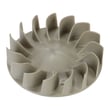
| Long dry times, hot cabinet | Poor airflow through dryer | Dryer blower wheel WP694089 |
Why it matters
A thermistor helps the dryer regulate heat. When it reads wrong, the dryer can overheat, underheat, or dry inconsistently. Keeping venting clear and using proper metal ducting helps protect temperature-sensing parts and improves drying efficiency.
Last updated: February 2026
What are common signs of a broken dryer heating element?
If your Estate dryer model TEDX640PQ0 runs but produces no heat, a failed heating element is a common cause. Before replacing parts, we check the home’s power supply first because many electric dryers need two breakers (or fuses) and the dryer can run with only one side tripped; see the installation guide.
Common signs that point to a heating problem
- Dryer tumbles normally but clothes stay cold and damp.
- Cycles take much longer than normal to dry.
- No heat on a high-heat cycle after the dryer has run about 5 minutes.
- Heat works intermittently (can also indicate a loose connection or failing thermostat).
- A burning smell only on the very first use can be normal for a new element, but ongoing overheating smells are not.
Quick checks to do before replacing the element
- Confirm full power: Check that both dryer breakers are ON (or both fuses are good). The installation instructions note there may be 2 fuses or circuit breakers for the dryer.
- Run a heat test: Start a full heat cycle (not air fluff). After about 5 minutes, open the door and feel for heat.
- Check airflow basics: Clean the lint screen and make sure the vent is not crushed or clogged; poor airflow can trip safety devices and stop heat.
Parts that commonly fail along with (or instead of) the element
| Symptom | Most common part to check | Example part for TEDX640PQ0 |
|---|---|---|
| Tumbles, no heat | Heating element or thermal cut-off | Dryer element 279838, dryer thermal cut-off fuse kit 279816 |
| Overheats, shuts heat off | High-limit thermostat or restricted venting | Dryer high-limit thermostat WP3977767 |
Why it matters
On TEDX640PQ0, “no heat” is often caused by a simple power issue (one breaker tripped) or a safety cut-off opening due to overheating. Verifying power and airflow first prevents replacing a good heating element.
Last updated: February 2026
How to tell if a dryer thermal fuse is blown?
A blown thermal fuse in your Estate dryer model TEDX640PQ0 usually shows no electrical continuity when tested with a multimeter; the dryer may not run at all, or it may run but have no heat depending on which safety device opened. Use the steps in the TEDX640PQ0 owner's manual as your baseline for safe access and checks.
How to test a thermal fuse (quick, reliable method)
- Unplug the dryer (or switch off power at the breaker) before opening any panels.
- Access the fuse on the blower housing or heater circuit area (location varies by build).
- Pull at least one wire off the fuse terminal so you are not reading the rest of the circuit.
- Set your multimeter to continuity (beep) or the lowest ohms setting.
- Touch one probe to each terminal:
- Beep or near 0 ohms: fuse is good.
- No beep, OL, or very high resistance: fuse is blown and must be replaced.
Symptoms that commonly point to a blown fuse
- Dryer will not start even though the door is closed and a cycle is selected.
- Motor hums briefly but drum does not turn.
- Dryer runs but stops quickly (some designs open the motor circuit).
- Electric dryer tumbles but has no heat (also check house power, see below).
Don’t miss this: power supply can mimic a “bad fuse”
The TEDX640PQ0 troubleshooting guidance notes that some dryers can have two household fuses or circuit breakers; the drum may turn but you still get no heat if one side is tripped.
| What you see | Most likely check first | Next check |
|---|---|---|
| Tumbles, no heat | House has 2 fuses/breakers | Heating circuit safety devices |
| Won’t run at all | Door switch, start circuit | Thermal fuse in motor circuit |
Why it matters (and what to do after replacement)
A thermal fuse usually opens because the dryer overheated, most often from restricted airflow (lint screen, lint chute, vent duct, or outside vent hood). Replacing the fuse without fixing airflow can cause the new fuse to blow again.
Helpful maintenance steps:
- Clean the lint screen every load; wash it occasionally to remove residue.
- Check that the vent is not crushed or kinked behind the dryer.
- Clear lint buildup in the exhaust duct and outside vent hood.
- If drying times are long, follow dryer takes a long time to dry to correct airflow issues.
Last updated: February 2026








