Owner’s manual



Does a Samsung washer have a filter that needs to be cleaned?
Yes. The Samsung WF461ABW front-load washer uses a drain pump debris filter that should be cleaned regularly to prevent slow draining, standing water, odors, and drain pump strain. We also recommend checking the small inlet screens in the water valve connections if filling is slow.
Most maintenance comes down to two filter areas:
- Drain pump debris filter: catches lint, coins, hairpins, and small items before they reach the pump
- Water inlet screens: small mesh screens where the fill hoses connect to the washer
- Door boot area: not a “filter,” but wiping the gasket helps prevent residue and mildew
For exact access steps and panel locations, follow the WF461ABW owner's manual.
A good schedule for a Samsung front-load washer like the WF461ABW is:
| Item | Typical cleaning interval | What it prevents |
|---|---|---|
| Drain pump debris filter | Every 1 to 3 months | No-drain issues, odors, pump noise |
| Water inlet screens | Every 6 to 12 months | Slow fill, fill errors |
| Door boot wipe-down | Weekly | Odors, residue buildup |
Before you open the drain filter area, plan for water.
- Unplug the washer for safety
- Keep a shallow pan and towels ready (water will spill)
- Remove debris, then rinse the filter under running water
- Check the filter housing for broken glass, buttons, or sludge
- Reinstall the filter fully; a loose filter can cause leaks
A clogged debris filter can make the washer drain slowly or stop mid-cycle; it can also overwork the drain pump. If the washer still will not drain after cleaning, the drain pump itself may be the next item to inspect or replace.
If you’re troubleshooting a drain-related error, use our Samsung front load washer nd error code guide.
Last updated: January 2026
What is the average lifespan of a Samsung washing machine?
A Samsung washing machine typically lasts 10 to 14 years. For the Samsung WF461ABW front-load washer, lifespan depends most on load size, leveling, water quality, and routine cleaning; consistent maintenance can push service life toward the high end of that range.
- Overloading (stresses the tub, bearings, and suspension)
- Poor leveling (increases vibration and wear on shocks)
- Detergent overuse (causes residue, odors, and drainage issues)
- Hard water (buildup can affect valves and internal flow)
- Ignoring early symptoms (small leaks or noise often become major repairs)
We recommend these simple habits for Samsung front-load washers:
- Run a monthly cleaning cycle (or a hot cycle with an approved washer cleaner)
- Leave the door slightly open between loads to dry the door boot area
- Clean the dispenser drawer and flush the dispenser housing periodically
- Check pockets to prevent coins and screws from damaging the drain pump
- Keep the washer level and stable on the floor
| Symptom | Often fixable? | Common next step |
|---|---|---|
| Won’t drain, standing water | Yes | Clean filter, check drain pump and hoses |
| Loud banging or walking | Yes | Re-level, reduce load size, inspect suspension |
| Musty odor | Yes | Deep clean door boot and run cleaning cycles |
| Repeated error codes | Often | Diagnose by code and test related components |
If your WF461ABW shows imbalance or vibration-related codes, use our Samsung front load washer dc error code guide to pinpoint the most likely causes.
A washer that is maintained and kept level runs quieter, cleans better, and avoids high-wear failures (drain problems, vibration damage, and leaks) that shorten overall lifespan.
For model-specific care steps and cleaning intervals, follow the WF461ABW owner's manual.
Last updated: January 2026
What is the most common problem with Samsung washing machines?
The most common problems we see with Samsung washers like model WF461ABW are draining failures (water left in the tub), out-of-balance spinning that causes heavy vibration, and door seal leaks. These issues usually trace back to a clogged drain system, leveling or load size problems, or worn suspension and door-boot parts.
- Washer will not drain or stops mid-cycle: drain pump filter clogged, kinked drain hose, or a failing drain pump
- Loud banging or walking during spin: unbalanced load, washer not level, or worn shock absorbers
- Water leaking from the door area: door boot not seated correctly, clamp issue, or torn door boot
- Slow fill or fill error: restricted inlet screens, low water pressure, or a failing inlet valve
- Error codes on the display: the code points you to the system that needs attention
- Redistribute the load: bulky items can clump and trigger imbalance.
- Level the washer: all feet should be firmly on the floor; re-check after moving the unit.
- Clean the drain pump filter (if equipped) and check the drain hose for kinks.
- Check water supply: both hot and cold valves fully open; clean inlet screens.
- Run a diagnostic or reference operating steps in the WF461ABW owner’s manual.
| Problem area | Typical fix | Example part for this model |
|---|---|---|
| Excessive vibration | Replace worn suspension | Samsung washer shock absorber DC66-00470A |
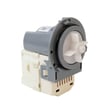
| Not draining | Clear blockage or replace pump | Washer drain pump DC31-00054D |
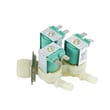
| Fill problems | Replace inlet valve | Washer water inlet valve DC62-30314K |
Drain, balance, and leak problems can cause repeat cycle interruptions, poor cleaning, and water damage. Catching the root cause early also helps prevent secondary failures (like motor strain from repeated unbalanced spins).
For code-specific guidance, use Samsung front load washer error codes.
Last updated: January 2026